A fourteen-month race against time reshapes Europe’s defense landscape
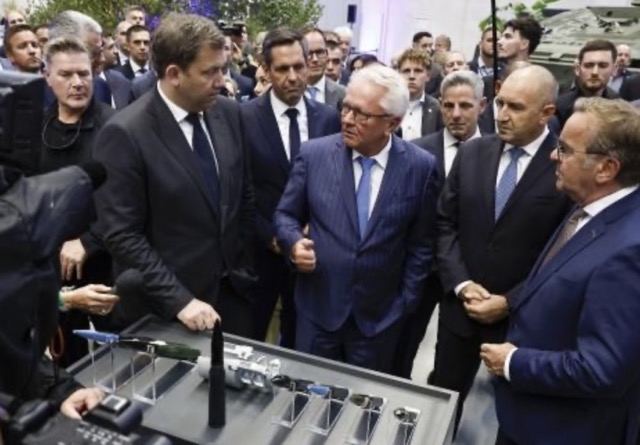
Berlin, — What many thought impossible just over a year ago has now become a striking reality: Germany has inaugurated Europe’s largest ammunition plant in record time. The state-of-the-art facility, built on the outskirts of Berlin, was completed in just fourteen months — less than half the time initially projected by experts and industry insiders. For a country often criticized for sluggish bureaucracy and delayed infrastructure projects, the rapid completion stands as a symbol of determination and strategic urgency in an era marked by war on the continent’s eastern borders.
The Miracle of Speed
When the German government first announced its decision to massively invest in ammunition production, skepticism ran high. Engineers and managers estimated that at least three years would be needed to complete such a project. Yet, under the pressing demand for artillery shells — a vital resource for Ukraine’s ongoing defense against Russia — the political will, financial backing, and industrial coordination converged to deliver results in a timeframe no one dared predict.
This “miracle of speed” has been described by German officials as a defining moment of the Zeitenwende — Chancellor Olaf Scholz’s term for the historic shift in Germany’s defense and security policy. For a nation that long prided itself on pacifism and restraint in military matters, the new plant marks not just an industrial achievement but also a profound political transformation.
A Guest List of Power Players
The inauguration ceremony, held under tight security, gathered some of the most influential figures in European and transatlantic defense. The guest list remained secret until the morning of the event, underscoring its strategic significance.
Armin Papperger, CEO of Rheinmetall and the man at the helm of Europe’s largest arms manufacturer, walked alongside Germany’s Vice Chancellor Lars Klingbeil and Defense Minister Boris Pistorius. Their presence symbolized the tight bond between politics and industry in this new phase of German rearmament. NATO’s Secretary General, Mark Rutte, lent the alliance’s full endorsement to the project, while Eastern European leaders — including Bulgarian President Rumen Radev and Romanian Prime Minister Ilie Bolojan — underscored the regional importance of securing ammunition supplies amid rising tensions with Moscow.
Nearly all attendees were men, a reflection of the traditional power structures in defense and diplomacy. But their collective presence sent a strong message: Europe is preparing itself for long-term confrontation and resilience.
Industrial Ambition and Military Necessity
Once operating at full capacity in 2027, the factory is expected to produce 350,000 artillery shells annually. These munitions will not only supply Germany’s own Bundeswehr but also reinforce NATO stockpiles and directly support Ukraine’s resistance. The new facility represents a strategic hedge against the chronic shortages of ammunition that plagued European armies in the first years of the war.
For Rheinmetall, the plant consolidates its dominance as Europe’s indispensable arms producer. For Germany, it marks a return to a role many of its neighbors had long urged it to assume: that of Europe’s military backbone.
The Symbol of Zeitenwende
The speed and scale of the project symbolize more than industrial efficiency. They represent a political and cultural shift in Germany — from post-war hesitation to strategic assertiveness. For decades, Berlin had been accused of hiding behind American defense guarantees while underinvesting in its own security. Now, with billions flowing into rearmament, the country is reshaping its identity as a security provider.
“The Zeitenwende is no longer just a speech,” one defense official remarked at the ceremony. “It is bricks, steel, and ammunition.”
Looking Ahead
The factory’s opening raises both hopes and fears. Supporters hail it as proof of Europe’s awakening to the realities of war and deterrence. Critics worry about an arms race that could fuel further escalation. What remains clear is that Germany, once reluctant to lead militarily, is now taking bold steps that will shape Europe’s security architecture for decades.
As the last dignitaries left the Berlin ceremony, one phrase lingered in the air: Germany is back — not only as Europe’s economic powerhouse but also as its arsenal.
 The Tower Post