End of duty-free exemption for parcels under $800 sends shockwaves through retailers, consumers, and trading partners worldwide

The United States has officially ended duty-free treatment for small international packages, escalating trade tensions and reshaping global e-commerce. As of today, every package entering the U.S. — regardless of its declared value — will be subject to tariffs, marking a major shift in how Americans shop online and how foreign businesses access the American consumer market.
The new policy eliminates the long-standing “de minimis” rule, which allowed imports worth less than $800 to enter the country tariff-free. Previously, Americans could buy books, clothes, electronics, and other goods from abroad without worrying about customs charges, provided the total cost per shipment was under that threshold. That exemption has now been swept away.
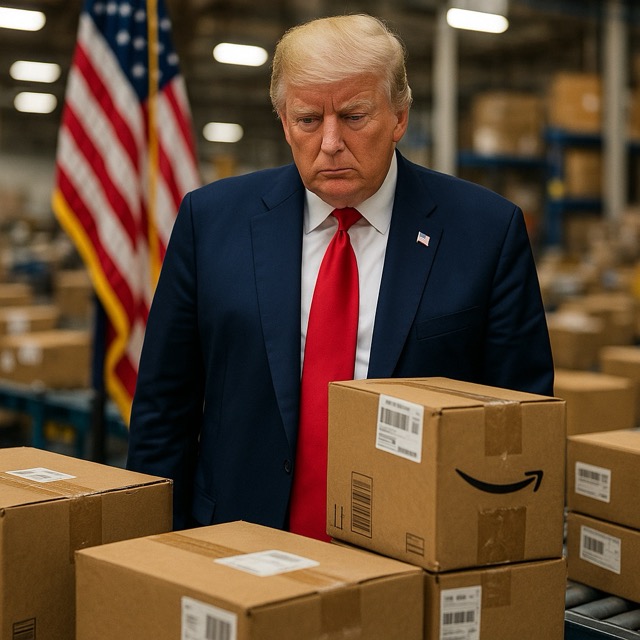
The Trump administration frames the move as part of a broader strategy to reduce the U.S. trade deficit and to “restore fairness” for domestic producers. President Donald Trump declared on Wednesday that the change would “end the loophole that has been killing American jobs” and “make foreign sellers finally pay their share.”
A Sudden but Not Unexpected Escalation
The decision follows a pattern of protectionist measures implemented since Trump’s return to the White House in January 2025. Earlier this year, his administration revoked the de minimis exemption for goods originating in China and Hong Kong, citing concerns over counterfeit goods, fentanyl shipments, and unfair competition. That move sparked an immediate backlash from Asian exporters, but today’s sweeping global suspension marks a more aggressive step.
“It’s an unprecedented escalation,” said Carla Moreno, a senior fellow at the Peterson Institute for International Economics. “We are now entering uncharted territory where global parcel flows — worth billions annually — will be directly taxed. This fundamentally alters the business model for e-commerce.”
Shockwaves Through E-Commerce and Logistics
Major online retailers, including Amazon, eBay, and Shopify merchants, are scrambling to adjust. Analysts warn that shipping costs and delivery delays will climb, as customs processing becomes more complex.
“This is going to hit small businesses hardest,” explained Michael Yuen, founder of a California-based import consultancy. “Big retailers can absorb some of the compliance costs, but smaller sellers will see their profit margins vanish.”
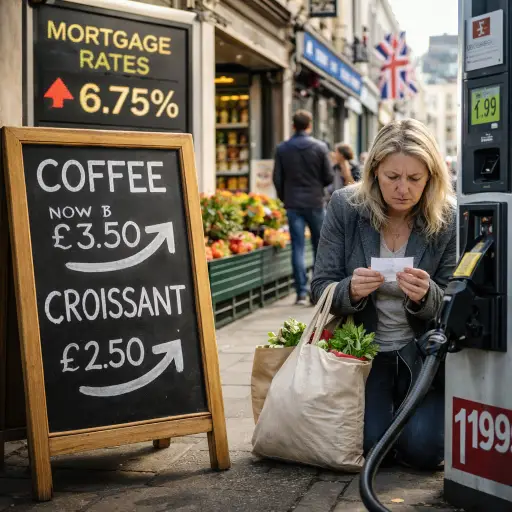
Consumers, too, will feel the effects immediately. Many online shoppers have grown accustomed to low-cost goods shipped from overseas warehouses, particularly from Southeast Asia. Now, a $20 phone case, a $50 pair of sneakers, or a $30 set of kitchen gadgets could arrive with additional charges at the doorstep.
Global Repercussions
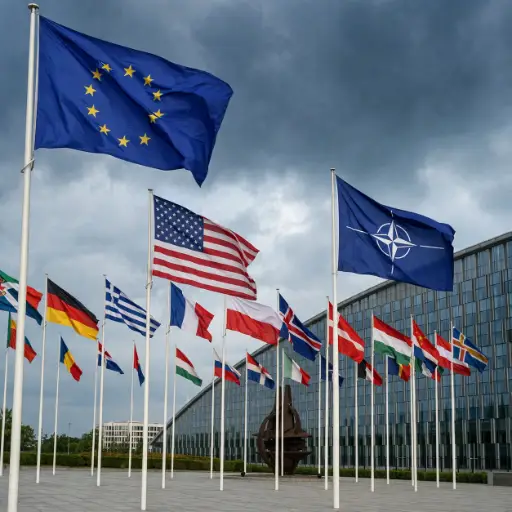
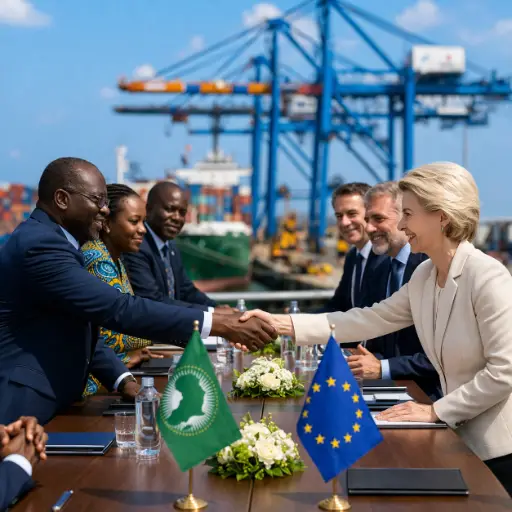
Trading partners are already voicing strong objections. The European Union warned that the measure risks “seriously undermining” transatlantic trade relations. Canada and Mexico, both signatories to the USMCA trade deal, expressed concerns that their exporters will face burdensome new hurdles.
In Asia, where much of the world’s consumer goods are manufactured, the response was sharper. China’s Ministry of Commerce called the move “an act of economic aggression” and vowed retaliation, hinting at tariffs on American agricultural products. South Korea and Vietnam issued statements urging the U.S. to reconsider, noting the disruption it would cause to global supply chains.
Political Calculations at Home
Despite warnings of higher costs for U.S. households, the Trump administration is betting that the policy will resonate with voters in manufacturing-heavy swing states. Trump has framed the tariffs as a defense of American jobs against “cheap foreign junk.”
Democrats and some Republicans, however, argue that the policy is effectively a tax on consumers. Senator Elizabeth Warren criticized the measure as “a direct hit to working families who rely on affordable imports.” Republican Senator Mitt Romney called it “economically reckless.”
What Happens Next
Economists warn of a “tariff spiral,” with other nations likely to respond with countermeasures. The World Trade Organization (WTO) is expected to receive a flood of formal complaints. Meanwhile, shipping carriers such as FedEx, UPS, and DHL are preparing for a surge in customs clearance duties and paperwork.
“This will change how Americans shop,” said Moreno. “For years, consumers benefited from a globalized retail system that made international goods affordable and accessible. That era may be ending.”
As the trade war deepens, one thing is clear: today’s decision marks a turning point in the history of global commerce. The age of duty-free online shopping for Americans is over — and the ripple effects will be felt worldwide.