Refugees, foreign policy, Trump, and the national budget ignite Warsaw’s summer political storm
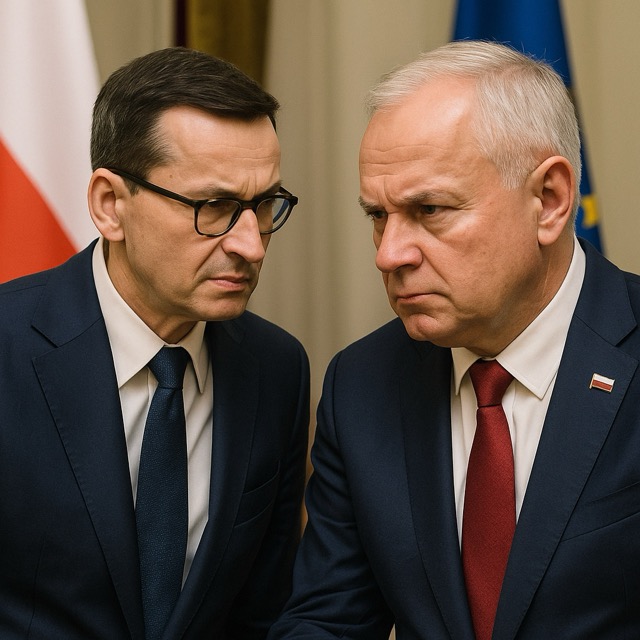
Poland is once again finding itself in the grip of political turmoil. A heated dispute between President Andrzej Duda and Prime Minister Donald Tusk has erupted into one of the most serious stand-offs in recent years, threatening to paralyze decision-making in the country at a critical moment for both domestic stability and international alliances.
Ukrainian Refugees as a Flashpoint
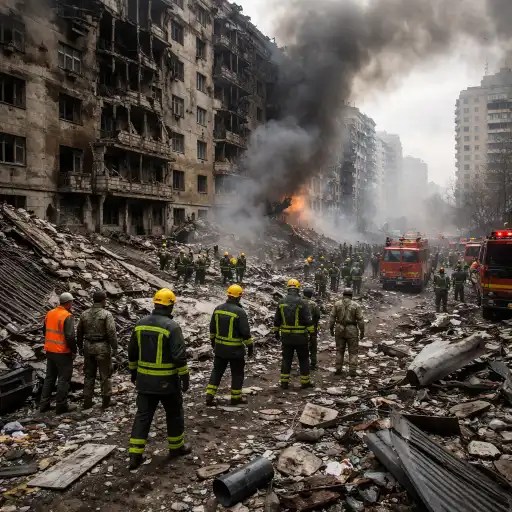
At the heart of the conflict lies the question of Ukrainian refugees. Since Russia’s full-scale invasion of Ukraine in 2022, Poland has become the primary refuge for millions fleeing the war. While the government led by Tusk insists on maintaining comprehensive support programs—covering housing, healthcare, and education—the president has openly criticized the “open-ended” nature of these commitments.
Duda has called for a “strategic reassessment,” arguing that the financial burden is unsustainable and warning of growing resentment among Polish citizens. Tusk, however, has dismissed this stance as “politically dangerous populism” that risks undermining Poland’s moral leadership in Europe and its historic role as Ukraine’s steadfast ally.
Foreign Policy Rift
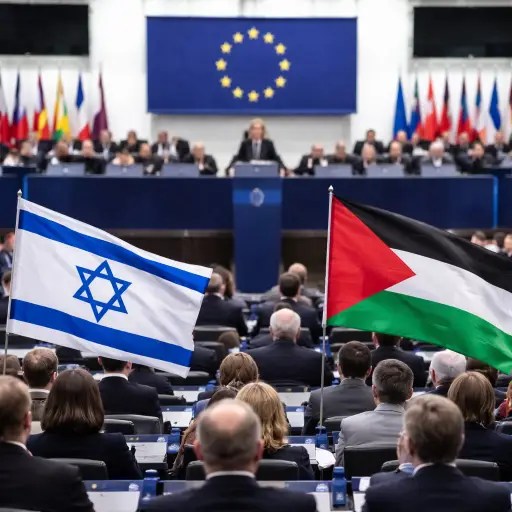
The divisions extend far beyond refugee policy. With the European Union urging tighter integration and deeper cooperation on defense, Tusk has championed closer alignment with Brussels and Berlin. Duda, in contrast, has advocated for a more cautious approach, wary of ceding too much authority to EU institutions.
The disagreement became glaringly visible during July’s NATO summit in Vilnius, where Tusk pledged full support for expanded NATO missions in Eastern Europe, while Duda privately voiced concern over the financial implications and Poland’s already stretched military budget.
The Trump Factor
Complicating matters further is the unexpected reemergence of former U.S. President Donald Trump on the world stage. Trump’s return to Washington has reignited transatlantic debates over defense spending and European contributions to NATO. Duda, who has long maintained cordial ties with Trump, views the renewed U.S. leadership as a chance to rebalance Poland’s security partnerships toward Washington.
Tusk, by contrast, sees Trump’s unpredictable style as a liability, pushing instead for reinforced ties with European partners. The clash of visions—whether Poland should look primarily to Washington or to Brussels—has sharpened internal divisions within the government.
Budget Battles and Economic Strains
As if the disputes over foreign policy and refugees were not enough, the looming battle over Poland’s 2026 national budget is already heating up. Tusk has prioritized funding for refugee support and EU-aligned green energy projects, while Duda has demanded larger allocations for defense and direct subsidies to Polish families.
The resulting stalemate threatens to delay the budget process and could undermine investor confidence in one of the EU’s fastest-growing economies. Economists warn that political instability, combined with slowing growth and rising public debt, could trigger a downturn just as Poland needs stability to weather global economic headwinds.
Political Consequences
Observers say the spat is more than a personal feud—it reflects a deeper struggle over Poland’s identity and strategic direction. Will Poland define itself as the EU’s frontline state, deeply tied to European partners and humanitarian responsibilities? Or will it pivot toward a more nationalist, sovereignty-first agenda, relying on Washington and tightening its domestic priorities?
For now, neither Duda nor Tusk shows signs of backing down. With municipal elections scheduled for October and parliamentary elections looming next year, the political storm is unlikely to abate. Instead, the summer of 2025 may be remembered as the moment Poland’s fragile political balance tipped into open confrontation—testing the resilience of its democracy at home and its credibility abroad.


 The Tower Post