A Closer Look at the IIHF’s Unique Approach
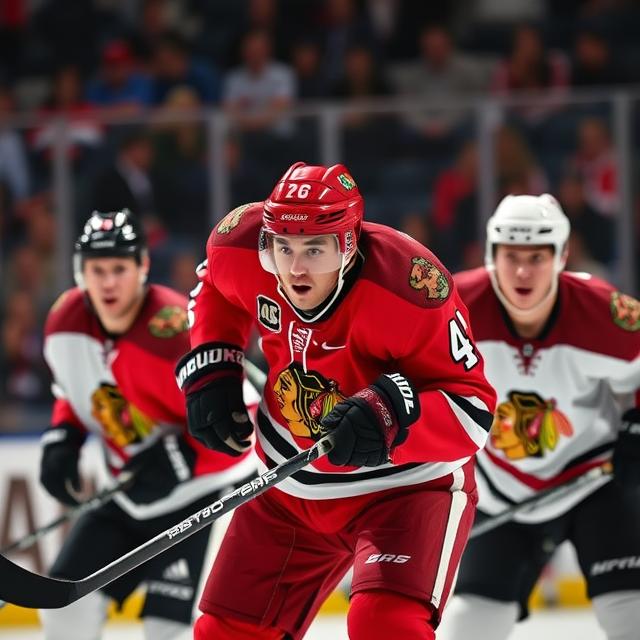
The Olympic ice hockey tournament is back, and with NHL stars participating for the first time since 2014, fans worldwide are eager to see how the game will unfold. While the basics of the game remain the same, the International Ice Hockey Federation (IIHF) rules used at the Olympic Winter Games bring a distinct flavor to the competition. From overtime formats to roster rules, the IIHF’s approach sets the Olympic game apart from its NHL counterpart.
One of the most noticeable differences between Olympic and NHL ice hockey is the ice surface. NHL rinks measure 200 feet long by 85 feet wide, while Olympic competition traditionally used a larger 197 by 98.5 foot surface. However, for the first time since Vancouver 2010, the Olympic rinks will be NHL-sized, offering a more physical and fast-paced style of play. This change is expected to bring a more European-style of hockey to the Olympic stage, with an emphasis on speed, skill, and puck possession.
The breaks between periods are also shorter in Olympic hockey, lasting 15 minutes compared to 18 minutes in the NHL. This means that players have slightly less recovery time between shifts, adding an extra layer of intensity to the game. The shorter intermissions will require teams to be more efficient in their time management, making the game even more demanding for players.
Additionally, Olympic teams are capped at 25 players for men’s squads and 23 for women’s squads, while NHL teams can suit up 20 players per game from a larger active roster. This means that Olympic teams will have to make more strategic decisions about which players to bring and when to make substitutions, adding another layer of complexity to the game.
When it comes to overtime and shootouts, the IIHF rules are more concise and decisive. In the preliminary rounds, both leagues use five minutes of sudden-death overtime, but if no winner emerges, the NHL goes to a shootout with three shooters per team. In contrast, the IIHF uses five shooters per team in the preliminary rounds and playoffs, with the quarter- and semi-finals adding a 10-minute overtime at three-on-three before a shootout if needed. The gold medal game, however, features 20-minute sudden-death overtime until a winner is found, ensuring that Olympic champions are crowned with a goal from open play.
Icing, offsides, and penalties are also called and enforced slightly differently in Olympic competition, with a greater emphasis on continuous play and stricter whistle timing. The IIHF places a strong emphasis on maintaining a fast-paced and flowing game, which means that players will be rewarded for their speed and agility, while also being penalized for any infractions that disrupt the flow of the game.
Fighting, a common aspect of ice hockey culture, has no place at the Olympic Winter Games, with players who drop the gloves facing major penalties and possible ejection. The IIHF rulebook is explicit in its prohibition of fighting, and officials will be vigilant in enforcing this rule to ensure a safe and respectful game.
The officiating crews at Milano Cortina 2026 will feature “blended” officiating, with referees and linespersons from both the IIHF and the NHL working side by side. This collaboration aims to produce seamless, consistent officiating at the highest level, ensuring that the Olympic Winter Games benefit from the combined expertise of officials from both sides of the Atlantic.
As the world’s best NHL stars adapt to the unique rhythms of the Olympic stage, fans can look forward to an exciting and unpredictable tournament. The Olympic ice hockey tournament is a true spectacle, and with its distinct rules and style, it remains unlike anything else in sport. With the added element of NHL stars participating, this year’s tournament promises to be one of the most thrilling and competitive in recent memory.

 The Tower Post