A Cultural Shift Towards the Past, or a Desperate Cry for Comfort?
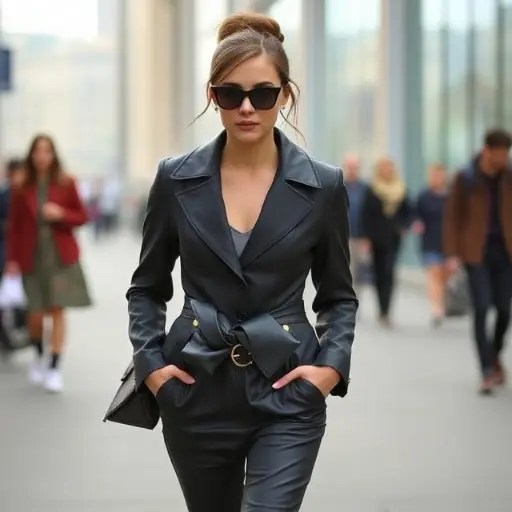
In recent months, social media platforms have been flooded with a surge of nostalgia for 2010s culture, with fashion being at the forefront of this trend. From the resurgence of Ugg boots and big totes to the revival of indie sleaze and grunge, it seems that the 2010s are back in style. But is this a genuine appreciation for the fashion of the past, or a desperate attempt to escape the uncertainties of the present?
According to Tia Ribbo, a writer who has been observing this trend, the nostalgia for 2010s fashion is more than just a passing fad. “We turn to the past, hoping to find comfort and identity in nostalgia,” she writes. “The 2010s with their flip phones and so-ugly-they’re-cute outfits seem warmly authentic compared to our culture of excessive self-fashioning.”
Ribbo suggests that the rapid pace of social media has contributed to this trend, with fashion microtrends emerging and disappearing in a matter of weeks. This has led to a culture of disposability, where fashion items are discarded and replaced before they have a chance to become truly iconic. However, the internet has also made it easier to access and share fashion from the past, creating a sense of nostalgia and longing for a bygone era.
The revival of 2010s fashion is not just limited to social media, however. High street brands are also cashing in on the trend, with Topshop announcing a revival of its iconic brand. The brand’s recent announcement has sparked a debate about the sustainability of fast fashion and the impact it has on the environment.
As Ribbo notes, “we are only consumers, not necromancers.” We can’t bring back the past, no matter how much we try to revive its fashion. The present we yearn for is a mere gravesite, and no amount of aesthetic slideshows and Pinterest boards can bring its corpses back to life.
But why are we so drawn to the fashion of the past? According to Ribbo, it’s because the 2010s represent a time when life felt more real. With the rise of social media, our lives are now curated and staged, leaving us feeling disconnected and isolated. The 2010s, with their flip phones and so-ugly-they’re-cute outfits, seem like a more authentic time, a time when people were less concerned with their online image and more focused on living in the moment.
However, not everyone is convinced that the revival of 2010s fashion is a positive trend. Some critics argue that it’s a form of cultural appropriation, where younger generations are co-opting the fashion and aesthetics of the past without understanding or respecting the historical context.
Others argue that the revival of 2010s fashion is a symptom of a larger cultural problem, one that values nostalgia and escapism over innovation and progress. In an era where the climate crisis and social inequality are some of the most pressing issues of our time, it’s hard to see how a revival of 2010s fashion is going to bring about meaningful change.
Despite these criticisms, the revival of 2010s fashion shows no signs of slowing down. Whether it’s a genuine appreciation for the fashion of the past or a desperate cry for comfort, one thing is certain: the fashion world will continue to be shaped by our desires, fears, and insecurities.
As Ribbo notes, “the real-life echoes of our online obsessions are just another reminder that the present we yearn for is a mere gravesite, and no amount of aesthetic slideshows and Pinterest boards can bring its corpses back to life.”




 The Tower Post