Fresh from a meeting with Vladimir Putin, Slovakia’s Robert Fico faced Volodymyr Zelensky in Uzhhorod as Europe wrangled over whether Russian crude should keep flowing through Ukraine to Slovakia and Hungary.
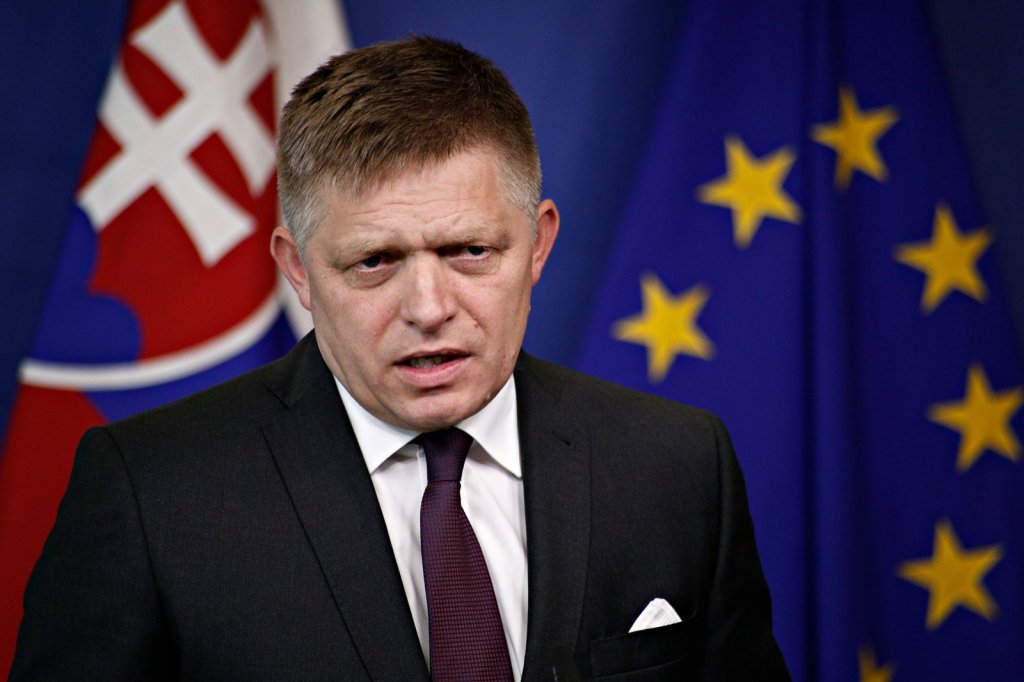
Uzhhorod/Bratislava — The hottest front in Europe’s energy war this August wasn’t a battlefield but a pipeline. After a string of Ukrainian strikes on Russia’s Druzhba network temporarily choked oil flows to Central Europe, Slovak Prime Minister Robert Fico arrived in western Ukraine on Sept. 5 to press his case. Critics in Brussels deride him as the “tsar’s emissary,” a go‑between for the Kremlin; Fico says he is defending Slovakia’s energy security.
The meeting with Ukrainian President Volodymyr Zelensky in the border city of Uzhhorod capped a volatile two weeks. On Aug. 22, an attack on the Unecha pumping station in Russia’s Bryansk region halted shipments on the southern leg of Druzhba that feed refineries in Slovakia and Hungary. Operators restored flows on Aug. 28, but the disruption laid bare how a single strike can ripple through Europe’s supply chain.
Standing alongside Zelensky, Fico cast his visit as a hard‑nosed attempt to keep fuel moving and prices stable at home. But the optics were impossible to ignore: just three days earlier, he had met Vladimir Putin in Beijing and vowed to bring a “serious message” to Kyiv. For allies wary of Moscow’s leverage over Europe’s energy mix, the choreography looked uncomfortably like shuttle diplomacy on the Kremlin’s terms.
Zelensky, for his part, drew a clear red line: Ukraine will help neighbors secure energy supplies, he said, but not if those supplies are Russian. “Russian oil, like Russian gas, has no future,” he argued, offering cooperation on alternative sources and routes while defending Ukraine’s right to retaliate against attacks on its own power system.
That stance collides with the realities of Slovakia’s dependence. Two years after the EU embargoed most Russian crude, Bratislava and Budapest still rely on Druzhba for the bulk of their oil needs, and both have argued for exemptions until replacement routes are fully viable. Slovak refiner Slovnaft can tap reserves and, in a pinch, switch to shipments via Croatia’s Adria line, but that option is costlier and capacity is tight.
Fico’s government has doubled down on a Russia‑friendly posture. In June, he warned he would block new EU sanctions that “harm national interests,” and in early September told Putin he aims to normalize relations while gradually increasing Russian gas imports via TurkStream. Those moves have cemented his role as the EU’s most outspoken skeptic of energy decoupling after Hungary’s Viktor Orbán—and fueled suspicions in Brussels that he is willing to leverage vetoes to secure carve‑outs.
Energy technocrats say the Druzhba episode underscores Europe’s lingering vulnerability. The pipeline, one of the world’s largest, snakes from Russia through Belarus and Ukraine before splitting: its southern branch feeds Slovakia and Hungary. August’s outages forced refineries to juggle inventories and consider tapping strategic reserves; a more prolonged stoppage, executives cautioned, would have driven up costs and potentially forced run‑cuts.
The politics are even more combustible. Kyiv’s drone and missile campaign against Russian oil targets—refineries, export terminals and pipeline nodes—is designed to squeeze the revenue that funds Moscow’s war. But incidental knock‑on effects, such as temporary outages in EU states still tied to Russian molecules, are politically sensitive. Hungary and Slovakia protested in Brussels after the Unecha strikes; Kyiv’s answer is that the quickest way to immunize neighbors is to stop buying from Russia altogether.
In Uzhhorod, the two leaders agreed to disagree—and to keep talking. Zelensky said the discussion was “meaningful,” touting progress on Ukraine’s EU path and inviting Slovak cooperation on energy so long as it excludes Russian supplies. Fico stressed “mutual respect,” even as he defended his engagement with Putin and insisted that European countries must not adopt measures that endanger each other’s security of supply.
Behind the sparring lie hard choices for Bratislava. Transitioning away from Russian crude requires not just political will but logistics: retooling refinery slates, booking capacity on alternative routes, and absorbing higher costs. Slovakia’s economy ministry has signaled it prefers a gradual glide‑path, with temporary reliance on Druzhba while incrementally expanding non‑Russian options. For Kyiv, that timeline looks like a loophole large enough to drive a tanker through.
Complicating matters, Moscow is deepening eastward ties. While Fico shuttled between Beijing and Uzhhorod, Putin and Xi trumpeted plans for more Russian gas to China, including a long‑mooted second pipeline via Mongolia. Europe’s influence over Russia’s energy calculus has waned since 2022; the more Asian outlets Moscow secures, the less leverage Brussels has over flows through legacy infrastructure like Druzhba.
What happens next hinges on three interlocking tracks. First, security: the Unecha station and other nodes remain lucrative targets. Unless Russia curbs its own attacks on Ukraine’s grid, Kyiv shows no appetite to ease off. Second, policy: EU ambassadors are negotiating the next sanctions package, with Central European carve‑outs once again on the table. Third, plumbing: regional operators are racing to harden critical assets and expand alternative import routes before winter demand peaks.
For Slovakia, the risk is being seen not just as an energy outlier, but a political spoiler. Fico’s threat to torpedo sanctions packages—and his readiness to carry messages from Putin to Kyiv—play well with parts of his domestic base. Across much of the EU, they read as a test of whether a single member state can bend common policy to national priorities in the middle of a war.
There was, however, one note of convergence in Uzhhorod: both sides say dialogue will continue, with a follow‑up ministerial meeting penciled in for the autumn. The window for a pragmatic deal—one that cushions Slovak consumers without underwriting the Kremlin’s war economy—remains open. Whether Fico chooses to walk through it will determine if his “emissary” label sticks, or if he can recast himself as a broker of Europe’s energy transition rather than its saboteur.
Reporting notes: This article draws on public statements by the leaders involved; official notices from Slovakia’s economy ministry and the MOL Group; and independent reporting by Reuters, the Guardian, the Kyiv Independent and Kyiv Post during Aug. 22–Sept. 6, 2025.
 The Tower Post