Anna Wintour’s Legacy and the Future of Fashion’s Most Iconic Publication
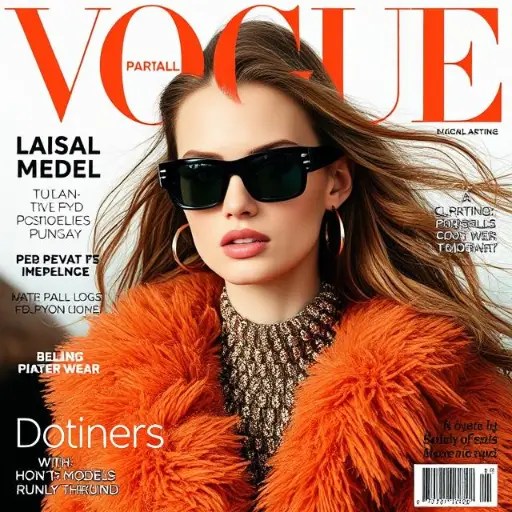
Anna Wintour, the enigmatic editor-in-chief of US Vogue, has long been synonymous with the world of fashion. For nearly four decades, she has been at the helm of the magazine, shaping its editorial direction and cementing its status as a cultural touchstone. Her influence extends far beyond the pages of Vogue, with her iconic bob, sunglasses, and imposing presence becoming a symbol of the fashion industry itself.
Wintour’s tenure has been marked by a willingness to push boundaries and challenge conventional notions of beauty and style. Her decision to feature Madonna on the cover of Vogue in 1989 was a bold move that spoke to her ability to anticipate cultural trends and drive the conversation. Since then, she has put royalty, politicians, pop stars, writers, and gymnasts on the cover, expanding the magazine’s reach and making it more inclusive.
One of Wintour’s most notable achievements has been her ability to bridge the gap between fashion and entertainment. Her decision to feature Kanye West and Kim Kardashian on the cover in 2014 sparked heated debate, with some accusing her of prioritizing celebrity over substance. However, this move also spoke to her keen understanding of the cultural zeitgeist and her willingness to take risks.
Wintour’s approach has not been without controversy, however. Her decision to feature Lauren Sanchez, the wife of Jeff Bezos, was seen by some as a celebration of wealth and luxury rather than style. The couple’s presence at Donald Trump’s inauguration also drew criticism from some, and contributed to the cover’s backlash, especially on social media.
Despite these criticisms, Wintour has maintained a certain relevancy for the title almost by being the relevancy. Her iconic status has made her a brand in and of herself, with a book and an iconic movie made about her. She has been played by Meryl Streep in an Oscar-winning performance, cementing her place in popular culture.
As Wintour prepares to hand over the reins to 39-year-old Chloe Malle, who will take on the role of head of editorial content, the question remains: can Vogue continue to thrive without its iconic editor at the helm? Malle’s plans to put out issues less frequently, centered around themes or cultural events rather than months, and to focus on creating a magazine that is “something to collect and cherish” suggest a shift towards a more curated and less frequent approach.
“We’ll be looking at the magazine as a way to collect and cherish, rather than just a monthly publication,” Malle said in an interview. “We’ll be focusing on creating a magazine that is more thematic, more focused on the cultural events and trends that are shaping our world.”
While some, like fashion journalist Lauren Sherman, believe that the Vogue brand will continue to stand the test of time, others, such as academic fashion publication Vestoj founder Anja Aronowsky Cronberg, are more skeptical. Cronberg, who stopped reading Vogue 25 years ago, believes that the magazine is no longer relevant in the way it once was, and that digital media has made it possible for other vehicles of culture to take its place.
“I think Vogue has been stuck in a time warp,” Cronberg said. “They’re still trying to be relevant, but they’re just not. They’re not speaking to the younger generation, they’re not speaking to the people who are interested in fashion, but not in the same way that they used to be.”
Ultimately, the future of Vogue will depend on Malle’s ability to navigate the complexities of the fashion industry and to use the magazine’s prestige to influence the way culture moves. As Amy Odell, author of Anna: The Biography, notes, “I think we’re about to see how much of the relevance of Vogue comes from Dame Anna.”
As Wintour steps back, the question remains: can Vogue continue to be a force to be reckoned with in the world of fashion? Only time will tell, but one thing is certain: the legacy of Anna Wintour will continue to shape the industry for years to come.




 The Tower Post