After Daniel Levy’s exit, Spurs say they have “unequivocally rejected” approaches, including one fronted by dealmaker Amanda Staveley, as majority owner ENIC reiterates no intention to sell.
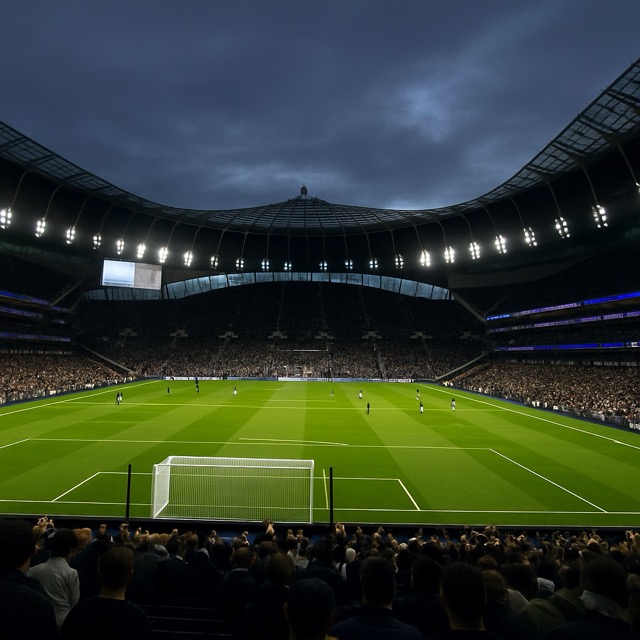
Tottenham Hotspur has moved swiftly to shut down mounting takeover chatter, declaring that the Premier League club is not for sale and that it has “unequivocally rejected” two preliminary approaches to acquire the majority stake held by ENIC. The statement, released late on Sunday, followed days of fevered speculation triggered by last week’s departure of long‑serving executive chairman Daniel Levy.
In a message to supporters and potential suitors alike, the board said it had dismissed separate expressions of interest from PCP International Finance — an investment vehicle associated with British dealmaker Amanda Staveley — and from a consortium of investors led by Dr Roger Kennedy and Wing‑Fai Ng through Firehawk Holdings Limited. The club added that ENIC, its controlling shareholder, has no intention of accepting any offer for its interest.
The short statement was blunt by design. It used the legal‑sounding phrase “unequivocally rejected” and reiterated that Tottenham “is not for sale,” wording calibrated to leave little room for interpretation under UK takeover rules. The message was aimed as much at the market as at the fanbase: stop assuming change of control is imminent.
The intervention was designed to steady the narrative after Levy’s exit reshaped the boardroom. Peter Charrington, an ENIC director and former Citi Private Bank chief, has been named non‑executive chairman, while Vinai Venkatesham, hired earlier this year, continues as chief executive. The club framed the moves as part of a long‑planned transition rather than a prelude to a sale.
The two approaches were not formal takeover bids under the UK Takeover Code but preliminary feelers seeking to buy ENIC’s shareholding. Under takeover rules, parties that publicly declare interest are typically placed on a “put up or shut up” timetable, forcing them either to announce a firm intention to bid or to walk away for a set period. People familiar with the process said the indicative deadline is October 5, 2025, although the club’s stance makes any near‑term bid improbable.
PCP International Finance is expected to clarify that it does not intend to make an offer, according to people briefed on the matter, though the Takeover Code allows a return under certain circumstances — for example, if another bidder emerges or the board invites talks. Staveley, who helped orchestrate the 2021 sale of Newcastle United to a Saudi‑backed consortium before exiting that club last year, has been linked to Spurs intermittently for months.
The rival approach, via Firehawk Holdings, is understood to have been fronted by Kennedy, an energy entrepreneur, and investor Wing‑Fai Ng. Details of their proposal remain scant, and the club’s terse dismissal suggests it progressed no further than an initial enquiry.
For Tottenham’s owners, the message is continuity, not capitulation. ENIC — ultimately controlled by trusts linked to the Lewis family — reiterated that it is committed to the current ownership structure. That does not preclude fresh capital: the club has in the past explored minority investment to fund growth, and people close to the owners say strategic funding remains an option. But a change of control is off the table for now.
The backdrop is a club that is commercially strong and institutionally rebuilt, even as supporters continue to demand more on the pitch. The Tottenham Hotspur Stadium has turned into a multi‑event venue, with NFL games, boxing and concerts supplementing match‑day revenue. Levy’s legacy is a modern infrastructure and a disciplined balance sheet — and, critics argue, too few trophies. His surprise exit after nearly a quarter of a century has forced a reset at the top of the organisation.
Market advisors say Spurs’ profile — a global fanbase, a premium stadium and a London address — ensures regular inbound interest, but it also raises the threshold for any credible bid. Any realistic attempt would require deep pockets, patience with Premier League profitability rules and a plan to preserve the club’s identity. That is a tall order, even in an era of sovereign wealth and private equity money flowing into European football.
Some investors have been drawn by the potential to monetise the stadium’s year‑round calendar, while others eye the media‑rights cycle and the long‑term value of a Premier League seat. Yet Spurs’ owners believe they can realise those gains without selling. In that context, the “not for sale” line is both a legal marker and a strategic signal — an effort to stifle speculation that can unsettle staff, players and sponsors just as a new season beds in.
The coming weeks will determine whether the suitors retreat or reconfigure. If PCP confirms it does not intend to bid, as expected, and if Firehawk does not elevate its interest, the market will move on until and unless the board invites fresh talks. Behind the scenes, the focus now turns to execution: embedding Charrington’s chairmanship, supporting the head coach’s remit and delivering the “more wins, more often” mantra that insiders say inspired the leadership changes.
There is also a governance subtext. With Levy stepping down after almost 25 years, Tottenham has installed clearer lines between ownership and day‑to‑day management: a non‑executive chair to oversee the board; an experienced CEO charged with operations and commercial strategy; and a head coach expected to align recruitment with a defined playing model. Stability in those roles is the first test of the new era.
Regulators and advisers, meanwhile, will keep a watching brief. Under the Takeover Code’s disciplines, any party that says it does not intend to bid is generally barred for a time, unless specific triggers — such as an invite from the board or the emergence of a rival offer — reset the clock. That framework, coupled with Tottenham’s categorical stance, means speculation should cool even if it never fully disappears.
None of this entirely insulates Spurs from the ownership carousel. The valuation of elite clubs remains fluid, driven by performance, broadcast income and macroeconomic conditions. The club’s hard line this week, however, is meant to buy time and clarity. Tottenham has told the market that continuity is the plan — and that, for now, the billion‑pound stadium on the High Road will not come with a ‘for sale’ sign.


 The Tower Post