Once a symbol of high fashion, the event now faces criticism for its bizarre brand collabs and lack of prestige.
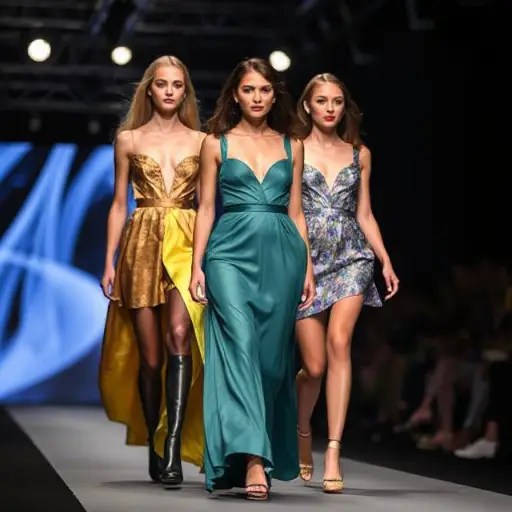
New York Fashion Week, once the epicenter of high fashion and a must-attend event for fashion enthusiasts, has seen a dramatic transformation in recent years. What was once a glamorous affair, with iconic moments like Paris Hilton walking the runway alongside Naomi Campbell, has now become a spectacle marked by controversial sponsorships and a loss of prestige. The event, which once drew global attention and featured the most in-demand designers, is now grappling with a shift in focus from fashion to commercial interests.
Founded in 1943, New York Fashion Week (NYFW) has long been a cornerstone of the global fashion calendar. For decades, it was the go-to event for emerging and established designers, celebrities, and industry insiders. The event was once synonymous with exclusivity, with shows held in the iconic Bryant Park, where the red-velvet-roped Midtown clubhouse was the most in-demand spot in the city. Designers like Anna Wintour, who later became the editor-in-chief of Vogue, and fashion icons like Karl Lagerfeld were once regulars.
However, the landscape has changed drastically. The decline began around the turn of the century when IMG took over from the Council of Fashion Designers of America (CFDA), significantly increasing the cost of participation and diluting the event’s exclusivity. The Great Recession further exacerbated the situation, leading to a rise in digital marketing and influencer campaigns over traditional runway shows. With the cost of hosting a show now reaching six figures—$38,000 to $58,000 for a venue, $20,000 for lighting, $15,000 for sound, and $40,000 for a model roster—many designers are opting for cheaper alternatives, such as social media campaigns.
Sponsors have also shifted from high-end brands to more unconventional partners, including weed dealers and porn sites. This trend has raised eyebrows among fashion insiders, who argue that the event has lost its core essence. For instance, the Melke designer Emma Gage’s capsule collection, inspired by Hidden Valley Ranch seasoning packets, sparked both viral attention and criticism for its bizarre pairing. Similarly, cannabis “concept store” Gotham has partnered with designers like Collina Strada to create limited-edition button-downs with discreet vape pockets. Veuve Clicquot has partnered with French designer Simon Porte Jacquemus to celebrate the Champagne icon’s bottle design, while eBay has linked up with Erdem to promote the commerce site’s secondhand fashions.
Once a symbol of luxury and style, New York Fashion Week now faces the challenge of reclaiming its former glory in a rapidly changing industry. The event’s lack of official support from City Hall, in contrast to the backing provided by Paris and Milan, has further compounded the issue. In Paris and Milan, local authorities have been known to fork over cash to help with event development, whereas in New York, the event receives almost no official support. With over 5% of New Yorkers employed in the fashion sector, the stakes are high for the city’s fashion community to find a way to revitalize the event and restore its former prestige.
Fashion insiders like Kelly Cutrone, a PR maven and reality TV fixture, argue that the event has lost its cultural relevance. “A voice said to me, ‘Fashion is the new rock ‘n’ roll,’” she once said. “Well, it was, and now it’s not.” The shift from a high-stakes, star-studded event to a more commercialized, sponsor-driven spectacle has left many in the fashion world questioning the future of New York Fashion Week.


 The Tower Post