Exploring Growth, Cultural Partnerships, and the Role of Heritage in the Industry
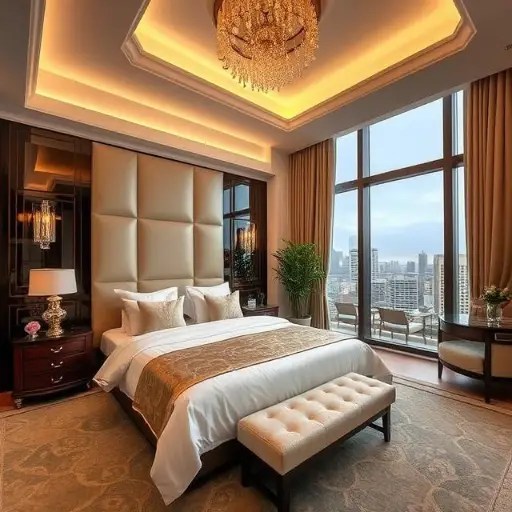
Laurent Kleitman, CEO of Mandarin Oriental Hotel Group, has long been a leader in the luxury hospitality industry, guiding the brand through strategic growth, innovation, and a deep respect for heritage. With over six decades of history, Mandarin Oriental has built a global reputation for elegance, exceptional service, and innovation, while staying deeply connected to its Asian roots. Today, the group operates a diverse portfolio of 44 hotels, 12 residences, and 26 exclusive homes across 27 countries and territories. Under Kleitman’s leadership, the company has continued to expand, acquiring historic properties and developing new ventures that reflect both tradition and modernity.
One of the most recent and notable additions to the Mandarin Oriental portfolio is the acquisition of the iconic Hôtel Lutetia in Paris. Named after the ancient Roman settlement that would eventually become Paris, the hotel has a rich 115-year history and is closely tied to the legacy of the Boucicaut family, who also founded Le Bon Marché. The hotel was originally built to serve as a gathering place for clients and suppliers from across France, and it has long been a symbol of cultural and historical significance. Kleitman emphasized that properties like Lutetia are not just places to stay—they are living pieces of history that offer guests a unique connection to the past. This aligns with the group’s broader strategy of preserving and celebrating heritage while continuing to innovate and expand into new markets.
In addition to historic properties, Mandarin Oriental is also pushing the boundaries of sustainability and modern design. For instance, the group is set to open its second hotel in Dubai, housed in one of the city’s most environmentally conscious high-rise towers. This reflects a growing commitment to sustainability, which is increasingly important to both guests and the industry at large. The company also operates in other historic locations, such as the Ritz in Madrid and the Oriental in Bangkok, each offering a unique blend of tradition and contemporary luxury.
Cultural relevance and engagement with the arts are also central to Mandarin Oriental’s strategy. While the brand is not a mass-market entity, it has found creative ways to connect with popular culture and broader audiences. For example, in Rivera Maya, Mexico, the group is collaborating with renowned Mexican sculptor Bosco Sodi to integrate art into the property in a meaningful way. This kind of collaboration reflects a broader trend in luxury hospitality: guests are increasingly seeking experiences that go beyond the physical and include a deeper connection with local culture and community.
Mandarin Oriental has also been developing its own content to highlight the unique stories and experiences offered by its properties. The group recently launched Inside the Dream, an original film that showcases the behind-the-scenes of Mandarin Oriental across three destinations. Future projects will continue to explore the history, facilities, and environment of each property, reinforcing the idea that travel is about more than just a place to stay—it’s about immersing oneself in the culture, history, and people of a destination.
Wellness has become a cornerstone of the luxury hospitality industry, and Mandarin Oriental has been at the forefront of this movement. Kleitman emphasized that the future of luxury lies in delivering holistic experiences rather than just physical products. Guests are increasingly seeking more than just a massage or a spa treatment—they want a full integration of wellness into every aspect of their stay, from nutrition and sleep rituals to the design of their rooms and the ambiance of the environment. This approach has been a long-standing part of the brand’s philosophy, with the group launching the first hotel spa in Bangkok in the 1990s, which helped pioneer the concept of wellness in the region.
Despite the challenges posed by an uncertain geopolitical landscape, Kleitman remains optimistic about the future of the hospitality industry. He believes that the human desire to travel, discover, and connect with the world will remain strong, and he has not seen a decline in guest interest or engagement. In fact, the group is continuing to see growth, with many new destinations still waiting to be explored. Kleitman envisions a future where Mandarin Oriental continues to expand, aiming to double in size over the next decade while maintaining its legacy and commitment to excellence for generations to come.



 The Tower Post