A centuries-old debate over pockets in women’s clothing is gaining new momentum in the world of fashion and social media.
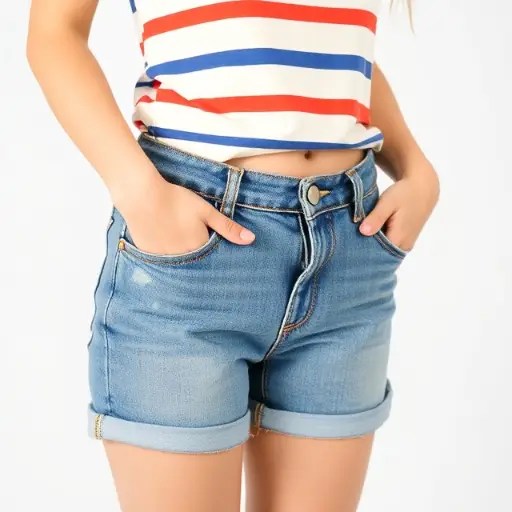
For centuries, the humble pocket has been a flashpoint in the gender divide of fashion. While men’s clothing has long featured ample pockets, women’s garments have traditionally been designed with fewer, often smaller or even decorative pockets. This disparity has sparked a growing movement, with the #WeWantPockets hashtag gaining traction on social media as women voice their frustration over the lack of practicality in their clothing.
The issue has recently resurfaced in the spotlight, with fashion shows in the autumn/winter 2025-26 season showcasing models with hands tucked into deep pockets, signaling a potential shift in the industry. Whether this trend translates into everyday wear remains to be seen, but it has sparked renewed conversations about the role of functionality in fashion.
Historically, women’s pockets were an afterthought. In the 16th and 17th centuries, women used tie-on pockets, which were often heavily decorated and used to store items like keys, money, handkerchiefs, and sewing kits, as well as valuables like watches, snuff-boxes, and smelling bottles. These pockets symbolized a sense of autonomy. However, with the introduction of the Regency style in the late 18th and early 19th centuries, silhouettes became more form-fitting, and pockets disappeared from mainstream women’s clothing. This change symbolized a loss of autonomy, as women became more vulnerable without the ability to carry valuables.
The early 20th century saw the suffragettes demand both votes and pockets, highlighting the symbolic significance of this issue. Satirical cartoons of the time made fun of suffragettes stuffing their hands into big pockets like men, reflecting the backlash against women’s desire for independence and freedom.
Designers like Claire McCardell and Coco Chanel were early advocates for practical pockets in women’s clothing. McCardell, a pioneering ready-to-wear designer, believed that clothes should be beautiful, practical, and comfortable. She understood the psychology of clothing and the importance of pockets in empowering women. Her iconic “pop-over” dress, designed during World War II, was a simple wrap dress with a large pocket, symbolizing both practicality and freedom.
However, the fashion industry has often prioritized aesthetics over function. With the rise of fast fashion and the continued dominance of male designers, the push for practicality has been overshadowed by the need for a certain idealized silhouette. As fashion historian Caroline Stevenson notes, “The fashion industry doesn’t prioritise this idea of female autonomy or independence when they are designing. It comes down to this idealised female silhouette.”
Despite these challenges, some women are taking matters into their own hands. Entrepreneurs like Julie Sygiel have launched clothing lines that prioritize practicality and comfort, offering garments with ample pockets. Sygiel founded her clothing line, The Pockets Project, in 2021 after becoming frustrated by the lack of change in the industry. “I think my beef is that even in silhouettes that can easily accommodate pockets we don’t get them or we get these tiny pockets,” she explains. “There’s so many women’s outfits that could have big pockets. I finally realised if I wanted change to happen I was going to have to do it myself and create dresses that I wanted to wear with big pockets.”
Her business has proven popular, with many lines selling out and more designs and colours added. Many women have shared their pocket irritations with her, including one who wrote that when she was getting married, she asked the tailor to add pockets to her wedding jumpsuit and was told it wouldn’t look “proper.”
While progress is slow, the growing awareness and demand for change suggest that the fight for pocket parity is far from over. As fashion historian Elizabeth Evitts Dickinson notes, “Claire McCardell believed that she was building not just a system for making clothes but an industry that would forefront women’s perspectives. I think she would be horrified today to see how few women are at the helm of most major brands.”
The question remains: Why is it still so hard to get dressed as a woman in the world today? The idea that a pocket still feels like an accessory and not a necessity is shocking, and it’s a conversation that is only just beginning.

 The Tower Post