The iPhone Air Challenges Buyers to Choose Between Sleek Design and Practicality
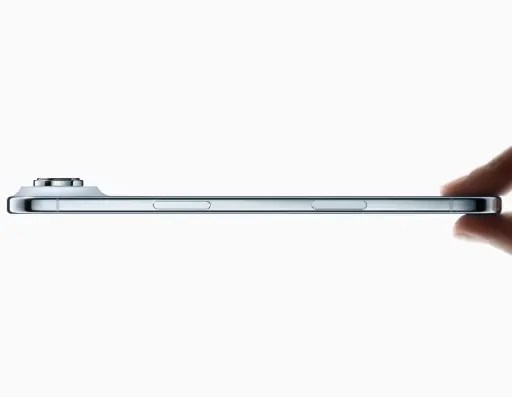
Apple has introduced the iPhone Air, its thinnest and lightest iPhone to date, marking a bold design shift that positions style as a key selling point. At just 5.6mm thick—thinner than a Cartier “Love” bracelet and only slightly thicker than three stacked quarters—the iPhone Air is a strikingly slim option for consumers. According to Apple’s vice president of industrial design, Molly Anderson, the Air represents a long-cherished vision of an “incredibly, shockingly thin iPhone.” However, the design comes with trade-offs—its performance and battery life are not on par with the newer iPhone 17 Pro, which offers a more robust feature set.
Apple’s strategy with the Air is clear: it’s not just a phone, but a fashion statement. The company is also launching a range of accessories, including cases and cross-body straps, to help users treat their devices as personal style statements. This aligns with a growing trend in the tech world, where phones are becoming more integrated into daily fashion choices. As Gabriella Karefa-Johnson, a stylist, noted, the shift toward thinner devices mirrors a broader movement in the fashion industry, where smaller handbags and sleeker aesthetics are gaining popularity.
While the Air is designed to appeal to those who value aesthetics over raw performance, it may not be the ideal choice for power users. The iPhone 17 Pro, available in a vibrant “cosmic orange” and other colors, remains a more practical option for those who need advanced features like high-quality cameras and longer battery life. Still, the Air’s appeal is evident, with figures like Palace co-founder Lev Tanju expressing a strong desire to upgrade, despite the limitations.
Apple’s design team, led by Anderson and Alan Dye, emphasized the idea that a phone is not just a tool but something you wear. This philosophy is reflected in the Air’s polished, reflective finish, which enhances its visual appeal and makes it appear even thinner. The company also highlighted the use of a super-light titanium frame, a design innovation that could pave the way for future products, including a foldable iPhone, which some industry observers predict could arrive as soon as next year.
Apple CEO Tim Cook acknowledged the company’s ongoing pursuit of innovation, noting that the Air is part of a broader effort to make the iPhone more personal and expressive. “When something becomes so much a part of you, it needs to reflect your style,” Cook said. “We’re saying this product is so personal that it needs to reflect you. And you are the best person to decide what that means.”
The iPhone Air also signals a potential shift in Apple’s design philosophy, as it opens the door to more user-driven customization. As seen in the fashion world, where accessories and personal expression are key, Apple is beginning to embrace the idea that users may want to use their phones in ways not strictly dictated by the company. This approach is also reflected in the growing number of third-party accessories that allow users to wear their phones in unique and stylish ways.
As Apple continues to push the boundaries of industrial design, the iPhone Air may signal the beginning of an even more radical evolution—potentially leading to the introduction of a foldable iPhone in the near future. Whether the Air will be the preferred choice for consumers remains to be seen, but one thing is clear: Apple is once again challenging users to rethink what a smartphone can—and should—be.




 The Tower Post