A shift away from post-race drinking and a focus on precision training may be fueling a new era of dominance in middle- and long-distance running.

American distance runners are achieving unprecedented speeds, and some experts believe a growing trend of sobriety may be playing a key role. Once a staple of the running community, post-race drinking sessions—like the infamous after-parties at New York’s Coogan’s bar—have largely faded from the scene. This bar, once a legendary hub for athletes to unwind after races, closed permanently during the pandemic, signaling a broader cultural shift.
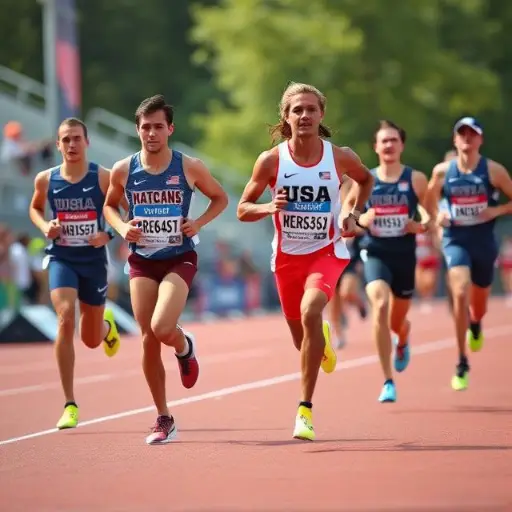
Today’s top athletes are increasingly avoiding alcohol, focusing instead on refined training methods, advanced technology, and strict recovery protocols. This cultural shift has coincided with a dramatic rise in American performance, including record-breaking finishes at major competitions like the Paris Olympics and world championships. In the 2024 Paris Olympics, U.S. men won a best-ever five medals in races from 1,500 to 10,000 meters, while in February 2025, Americans set indoor world records in the mile and 5,000m.
While factors such as super shoes, legal supplements, and improved track conditions have also contributed, many runners now view every small advantage as critical to success. Athletes like Grant Fisher, a world championship favorite in the 5,000 and 10,000 meters, have adopted highly disciplined routines, including high-altitude training, precise monitoring of physiological metrics like heart-rate variability (HRV), and even traveling between events to maintain optimal recovery conditions.
The shift toward sobriety is not just a personal choice but also a strategic decision. Research has shown that alcohol can disrupt rest and recovery, which are essential for elite athletes. Many runners now opt for alternatives such as cannabis (which is permitted outside of competition) or edibles, allowing them to avoid the hangovers and performance setbacks associated with drinking.
This trend is also being mirrored in collegiate and institutional settings. Schools like BYU, which enforces a strict alcohol ban as part of its honor code, have seen an increase in interest from athletes seeking sober environments. Coaches like Ed Eyestone note that the policy has even attracted transfers from other programs, highlighting how the cultural shift is influencing both amateur and professional levels of the sport.
In addition to sobriety, the rise of wearable technology has played a significant role in this transformation. Devices that monitor heart rate, sleep quality, and recovery metrics have become essential tools for elite runners. Athletes like Reed Fischer, a marathoner and world qualifier, rely on these tools to maintain peak performance, often adjusting their training based on real-time data.
The influence of the pandemic cannot be overlooked either. With the closure of bars and the disruption of social gatherings, many athletes found themselves in environments that naturally encouraged healthier habits. This period also saw a surge in the use of digital platforms for training and recovery, further distancing runners from the traditional post-race drinking culture.
As the sport evolves, the line between tradition and modernity continues to blur, with many runners choosing sobriety not just for health, but as a strategic edge in a highly competitive field. While the role of alcohol in athletic performance remains a topic of debate, one thing is clear: the American distance running scene is entering a new era, driven by precision, discipline, and a growing emphasis on recovery.