A City of Innovation and Ambition
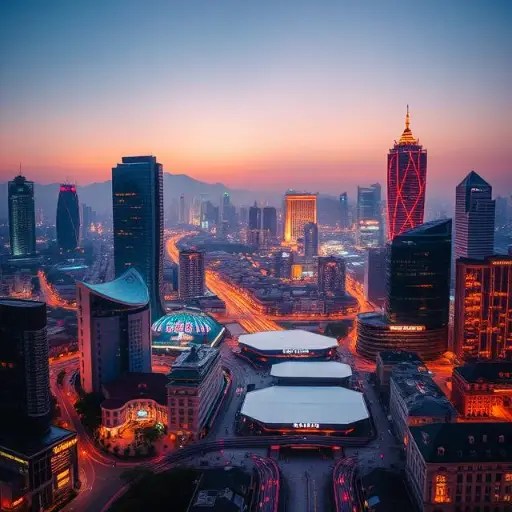
In the heart of China, Hangzhou is emerging as a global leader in artificial intelligence, driven by a unique blend of entrepreneurial spirit, government support, and a thriving tech ecosystem. Once known for its scenic beauty and historical significance, the city has transformed into a modern tech hub, thanks in part to the rise of Alibaba and the recent breakthroughs in AI by local companies like DeepSeek.
More than two decades ago, Jack Ma launched Alibaba from a small apartment in Hangzhou, setting the stage for the city’s evolution into a tech powerhouse. Today, Hangzhou is at the forefront of China’s AI ambitions, with its low cost of living, supportive policies, and a concentration of research institutions and tech giants making it a magnet for talent.
DeepSeek’s recent success with an AI model that rivals American programs at a fraction of the cost has put Hangzhou in the global spotlight. The company’s breakthrough model, which was unveiled earlier this year, demonstrated capabilities comparable to those of leading U.S. AI systems but with significantly lower computational costs. This has sparked a wave of interest in Hangzhou’s AI ecosystem, with local officials and investors eager to support further innovation.
The city’s government has been proactive in fostering innovation, creating an “innovation corridor” near Alibaba’s headquarters and approving significant funding for AI startups. This environment has attracted entrepreneurs like Zhao Ji, who is building an AI startup from his apartment, inspired by the opportunities and collaborative spirit in the city. His startup, AlphaFin, is developing an AI agent that can generate video and audio content, clone users’ voices, and even replicate their likenesses — a powerful tool for businesses. Zhao, who previously worked as a marketing director at Alibaba, is one of many former employees now leveraging their experience to build AI-driven ventures.
Hangzhou’s reputation as a center for trade and culture has been complemented by its growing tech scene. The city’s “Six Little Dragons” — a group of leading AI companies — and institutions like Zhejiang University and Westlake University are playing a crucial role in advancing research and development. Zhejiang University, in particular, has become a key player in AI innovation, with alumni such as DeepSeek founder Liang Wenfeng contributing to the city’s success. Westlake University, a newer institution supported by both private and public funding, aims to rival the California Institute of Technology and has attracted top talent from the U.S., including AI researcher Guo-Jun Qi and data scientist She Yiyuan.
Despite challenges in catching up with top global universities in terms of patent production — with nine of the top 10 institutions for international patent applications from academia being American — Hangzhou’s AI community is determined to make its mark. The city’s government has also been proactive in supporting AI startups, approving two innovation-focused funds totaling more than $28 billion and positioning itself as a key player in China’s broader AI strategy.
With the AI wave sweeping across China, Hangzhou is not only riding the trend but actively shaping its future. From its picturesque West Lake to its bustling innovation corridors, the city is proving that it can be a beacon of technological progress and entrepreneurial energy. As more startups and researchers flock to Hangzhou, the city is solidifying its place as a global AI hub.
Additionally, the city’s northern suburb of Liangzhu has become a hotspot for AI entrepreneurs and innovators. Monthly events like “Demo Day” and weekly meetups known as “Crazy Thursday” at local coffee shops bring together founders, developers, and investors to share ideas and collaborate. These gatherings reflect the vibrant, community-driven culture that fuels Hangzhou’s AI ecosystem.
Hangzhou’s AI ambitions are further bolstered by the presence of major tech companies like Alibaba, which has committed to investing more than $52 billion in AI and cloud infrastructure over the next three years. This investment is expected to drive advancements in AI chips, models, and applications across various industries.
As the global AI race intensifies, Hangzhou is positioning itself not just as a participant but as a leader in the field, leveraging its unique blend of history, innovation, and talent to shape the future of artificial intelligence.




 The Tower Post