Ram 1500 REV Renamed as Company Abandons Battery-Electric Pickup Plans
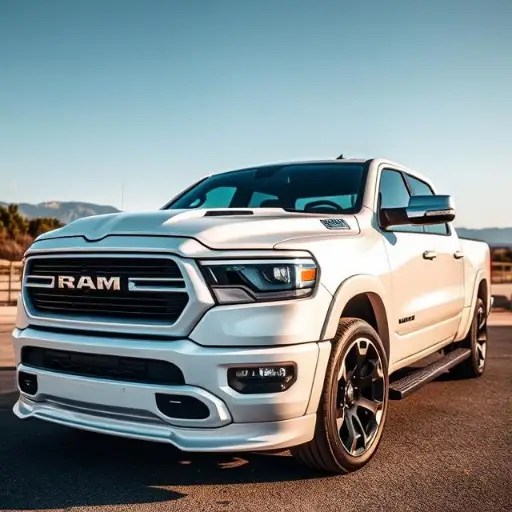
Stellantis, the parent company of Ram, has officially abandoned its plans to develop a full-size battery-electric pickup truck, citing low demand as the primary reason. The company announced that it will no longer pursue the all-electric Ram 1500, which was once a centerpiece of its U.S. product offensive to introduce over 25 new battery-electric vehicles by the end of the decade. Instead, Stellantis will focus on an extended-range version of the Ram 1500 REV, previously known as the Ramcharger. This model will combine a battery with a gas generator to achieve an estimated range of 690 miles, offering a hybrid solution that balances electric performance with traditional fuel efficiency.
The decision comes after months of uncertainty surrounding the all-electric pickup, which was first unveiled at CES 2023. Production was initially slated for 2024 but was repeatedly delayed, with the latest target now set for 2026. While Stellantis has not ruled out future development of full-size battery-electric trucks, the shift in strategy reflects the current market dynamics and consumer preferences in North America.
The extended-range Ram 1500 REV, as previously described, will offer exceptional range, towing capability, and payload performance, positioning it as a strong contender in the half-ton pickup segment. The company emphasized that this vehicle will “set a new benchmark” in its class, suggesting a focus on performance and utility over pure electric range.
Separately, Stellantis faces regulatory challenges with Rainmaker Technology, a startup seeking to use drones for cloud-seeding operations. The Air Line Pilots Association (ALPA) has raised safety concerns about the use of flares on small drones, arguing that the proposal fails to demonstrate an equivalent level of safety. Rainmaker, however, maintains that its operations are conducted in controlled environments and that the environmental impact of its flares is minimal compared to traditional aircraft. The company claims that its typical operation disperses 50-100 grams of silver iodide, far less than what commercial planes release in uncombusted volatile organics and soot during a single flight.
The Federal Aviation Administration (FAA) is currently reviewing the petition, and its decision will set a precedent for future drone-based weather modification efforts. Rainmaker’s CEO, Augustus Doricko, stated that the company has submitted non-public documents to the FAA that outline extensive risk mitigations and safety protocols, which he claims the union has not fully considered.
Cloud-seeding, a practice that dates back to the 1950s, is already used in the western U.S. to enhance snowpack and support irrigation and ski resorts. Rainmaker’s approach aims to replicate this with drones, which the company argues could be safer and more efficient in the long run. The startup’s operations are planned to take place in rural areas with pre-approved airspace and in coordination with local air traffic control, certified pilots, and collision avoidance systems.
As the automotive and aerospace industries continue to evolve, both Stellantis and Rainmaker are navigating a landscape shaped by regulatory scrutiny, consumer demand, and technological innovation. The outcomes of their respective initiatives could influence the future of both electric vehicle strategies and drone-based environmental interventions.




 The Tower Post