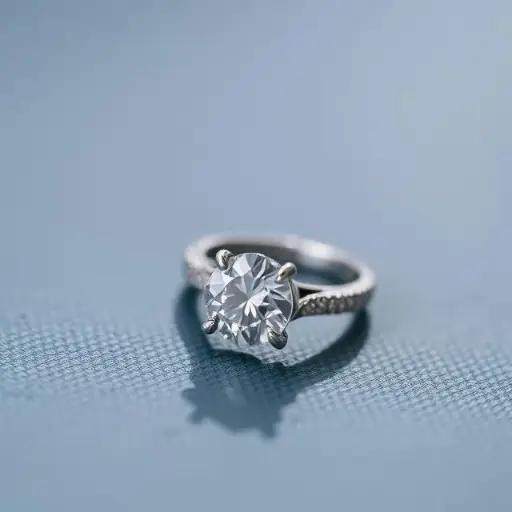
As lab-grown diamonds become more accessible, the cultural emphasis on carat weight continues to grow, fueled by celebrity choices and shifting consumer preferences.

The debate over the ideal size of an engagement ring has taken center stage in 2025, with celebrity proposals and the rise of lab-grown diamonds reshaping traditional notions of what makes a dream ring. From Travis Kelce’s large old-mine cushion cut diamond for Taylor Swift to Cristiano Ronaldo’s showy 5-carat ring for Georgina Rodríguez, the spotlight on size has intensified. Meanwhile, smaller stones, like the 0.089-carat recycled diamond featured in the Amazon Prime series The Summer I Turned Pretty, sparked fierce backlash, highlighting the cultural divide over what constitutes a meaningful engagement ring.
Lab-grown diamonds, once a niche option, are now a mainstream alternative, offering larger stones at a fraction of the cost of natural diamonds. According to industry experts, a 1-carat lab-grown diamond can cost as little as $1,000, while a natural one starts around $2,300. At the 5-carat mark, the price difference becomes even more pronounced, with lab-grown stones ranging from $6,250 to $12,500 compared to natural diamonds that can exceed $100,000. This affordability has led to a surge in demand for larger stones, with many consumers prioritizing size over traditional metrics like clarity or cut.
Despite the growing popularity of lab-grown diamonds, some consumers remain cautious. Claire Clayton, a tech worker in Los Angeles, initially envisioned a 2-carat ring but found larger stones overwhelming when trying them on. She now favors a 1.5-carat rose cut diamond, believing that large rings have become “gauche.” Others, like Natalie Mikosz and Malik Rawashdeh, are drawn to lab-grown stones for their affordability and size, opting for a 2.5 to 3-carat emerald cut. For them, the emotional significance of the ring outweighs its financial value.
Industry experts note that while size remains a top priority for many, the emotional significance of the ring often overshadows its financial value. “In the world of reality,” said Abby Huhtanen, chief merchandising officer for Angara Jewelry, “a 1-carat is still a very special purchase.” As the market continues to evolve, the balance between tradition, affordability, and personal meaning in engagement rings remains a topic of ongoing discussion.
The influence of social media and celebrity culture has also played a significant role in shaping consumer preferences. Platforms like Instagram and TikTok have made it easier for people to research and compare diamonds, leading to a more informed buyer base. This has, in turn, increased the demand for unique cuts and styles, such as the old-mine cushion cut, which was featured in Taylor Swift’s proposal. However, this trend has also led to concerns about oversaturation, with some consumers fearing that once-niche styles may become outdated or overused.
Diamond wholesalers, like Randy Poli, have noted a growing demand for antique and vintage styles, though high-end, large stones like the one Swift received remain rare and difficult to source. “We have to turn away almost half the customers who are looking for it, because they’re looking for something we can’t find, or something that doesn’t exist,” Poli said.
As the engagement ring market continues to evolve, the emphasis on size and the rise of lab-grown diamonds are likely to remain key factors in shaping consumer choices. Whether it’s a 0.089-carat ring from a budget-conscious couple or a 6-carat diamond from a celebrity, the meaning behind the ring remains deeply personal—regardless of its carat weight.