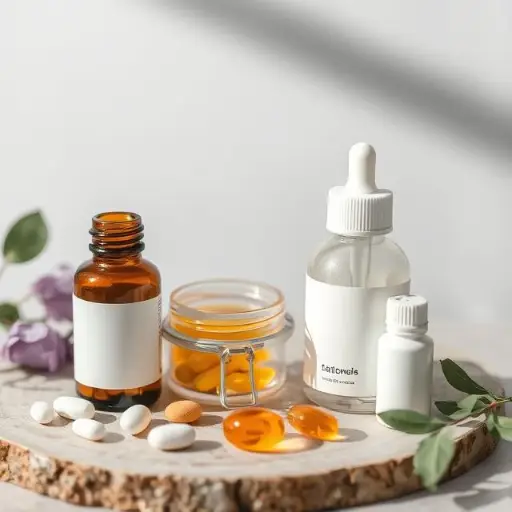
As traditional supplements like fish oil and collagen take a backseat, new biotech-powered pills, powders, and IV drips are gaining popularity among beauty enthusiasts. But do they deliver on their promises?

In a world increasingly obsessed with youth and beauty, the supplement aisle has undergone a dramatic transformation. Where once fish oil and collagen dominated medicine cabinets, today’s beauty junkies are turning to biotech-infused powders, capsules, and even IV drips to combat wrinkles, inflammation, and hair loss. The rise of these next-generation supplements has sparked both excitement and skepticism, raising questions about their efficacy, safety, and long-term benefits.
Experts caution that while these products are gaining traction, they should not be viewed as a replacement for a healthy lifestyle. Dr. Karyn Grossman, a dermatologist based in Santa Monica and New York, emphasizes the importance of consulting a medical professional before adding any supplement to one’s routine. “Many more patients have [nutritional] deficiencies than I expected,” she notes, highlighting the need for personalized approaches to supplementation.
Among the most talked-about supplements are Elysium’s Cofactor, which promises to boost NAD+ levels and support skin elasticity, and Cymbiotika’s Healthy Glow, formulated with pearl powder and grapeseed extract to enhance skin radiance. Sakara’s Beauty Biome, a probiotic blend, is also gaining attention for its anti-inflammatory properties. However, dermatologists like Dr. Doris Day stress that supplements, no matter how advanced, cannot replace the fundamentals of a balanced diet, exercise, and skincare routine.
Safety is another key concern. While many of these supplements are generally considered safe, experts warn against overuse and the potential risks of high-dose IV drips and injections. For example, NAD+, a molecule that has become a favorite among celebrities for its purported anti-aging benefits, can cause cardiac palpitations when administered in high doses. Similarly, glutathione, often found in vitamin drips marketed for skin glow, can be harmful to the liver and kidneys if consumed in excess.
NAD+ itself has been the subject of growing interest. As a molecule essential for converting nutrients into energy, its levels decline with age. Some studies suggest that oral NAD+ precursors may help protect high-risk patients from developing skin cancer, though the visible effects on aging skin may not be dramatic. Dr. Hallie McDonald, a dermatologist in Austin, Texas, recommends oral supplements over IV drips, which are costly and may not yield better results.
For those considering these supplements, patience is key. According to McDonald, it can take up to six months to see any improvements, and benefits may fade once the supplement is discontinued. “If it’s a short-term thing,” she advises, “I encourage them not to waste their money.”
As the market for beauty supplements continues to grow, consumers are urged to do their research, consult with healthcare professionals, and look for brands with third-party clinical trials and positive consumer reviews. After all, the promise of youth and beauty is enticing—but the journey to achieving it requires both caution and informed choices.
In addition to NAD+, other popular ingredients include astaxanthin, a powerful antioxidant found in marine sources, and hyaluronic acid, known for its hydrating properties. However, astaxanthin, when taken in high doses, can lead to skin discoloration, gastrointestinal issues, and even hormonal imbalances. Similarly, while hyaluronic acid is generally safe, it can cause mild side effects such as skin irritation or allergic reactions in some individuals.
The supplement industry is largely unregulated, which means that not all products on the market are created equal. The FDA does not approve supplements in the same way it does prescription drugs, so consumers must be vigilant. Dr. Leonard Guarente, a professor at MIT and co-founder of Elysium Health, advises looking for brands that publish third-party clinical trials and have transparent manufacturing processes.
In the end, while these new supplements offer promising benefits, they should be viewed as part of a broader, holistic approach to health and beauty. As the line between science and marketing continues to blur, it is more important than ever for consumers to make informed decisions and prioritize their well-being above all.