From College Sweatshirts to Chanel Bags, Tokyo’s Vintage Scene Surpasses Even American Markets

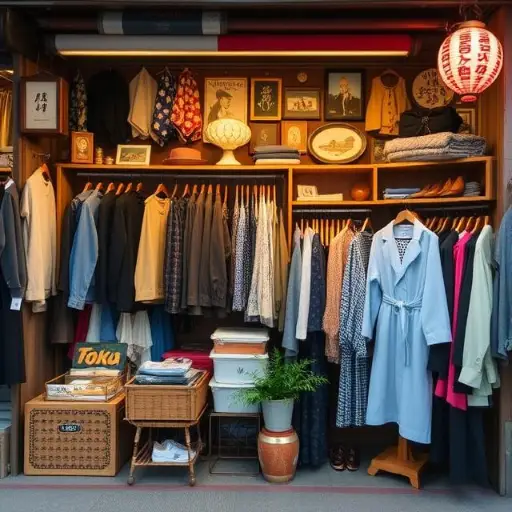
In Tokyo, the city’s vintage shops have become a magnet for fashion enthusiasts worldwide, offering an eclectic mix of American fashion that often outshines what’s available back home. Thrift stores in neighborhoods like Shimokitazawa and Koenji are filled with meticulously curated collections of American ephemera, including ’90s Levi’s, Boy Scout uniforms, camo jackets, and college sweatshirts, alongside high-end brands like Burberry. For many, the quality and condition of these items are superior to what they might find in the U.S., and the fit is often more modern and tailored to local body types.
The demand for vintage American fashion in Tokyo is so intense that some shops now send buyers on regular scouting trips to the U.S., sourcing items from flea markets, warehouse sales, and rag houses. These buyers scour everything from big city hotspots to bargain basements in middle America, ensuring that Tokyo’s shops remain stocked with the latest finds. This trend has even drawn American tourists, including celebrities like Kim Kardashian, Pharrell, and A$AP Rocky, who seek out rare vintage pieces. The rise of platforms like TikTok has further fueled this interest, turning thrifting into a status symbol with high-end items fetching prices upwards of $30,000 to $40,000.
As the demand continues to grow, both local and international shoppers are finding themselves in a competitive race for the most coveted pieces, from pre-2008 black Chanel purses to pink denim Louis Vuitton bags from 2005. Stores like Atlantis Vintage Tokyo, run by owner Yuji Jitsutani, have become essential stops for collectors, with Jitsutani frequently visiting Japan’s network of auction houses to source rare items. For instance, a pink denim Louis Vuitton bag from 2005, requested by social-media creator Alluka Sakura, took four months to locate and ultimately cost her around $2,000—a splurge she says was worth every penny.
With Japan’s tourism boom, U.S. visitors have increasingly been competing with locals for rare—and not so rare—goods. Shoppers can lose themselves in color-coded sections surrounded by Miley Cyrus tees and souvenirs from niche tourist regions. Colorado-born fashion content creator Drew Joiner, who now lives in New York, picked up a Four Corners pin on a recent visit. “To see that all the way here in Japan is unbelievable,” Joiner said. “I wouldn’t even find that in Brooklyn.”
The obsession with American vintage fashion in Tokyo dates back to at least the 1960s, when the influential collegiate fashion tome “Take Ivy” was published. The Japanese capital has since become the de facto hub for this trend, bringing in a pan-Asian clientele—and more recently, American tourists—seeking out rare vintage items. As the market continues to evolve, Tokyo’s thrift shops remain a testament to the global fascination with American style, where even the simplest secondhand Polo T-shirt or sweatshirt can fetch around ¥7,000 (around $50), reflecting the upscale nature of the thrifting scene today.
In addition to the high-end market, Tokyo’s vintage scene has also influenced local fashion trends. Designers and stylists frequently source inspiration from the city’s thrift shops, incorporating vintage elements into modern collections. This has created a symbiotic relationship between the vintage community and the broader fashion industry, with both sides feeding into each other’s creativity.
Moreover, the rise of resale tourism has led to the emergence of specialized services and businesses catering to international buyers. Some shops now offer translation services, international shipping, and even personal shopping assistants for overseas customers. This has made it easier for Americans and others to access Tokyo’s unique vintage market, even from afar.
As the global appetite for vintage fashion continues to grow, Tokyo’s role as the epicenter of American vintage culture shows no signs of slowing down. Whether it’s a pre-2008 Chanel purse or a faded Guess miniskirt, Tokyo’s thrift shops continue to redefine what it means to collect, wear, and value vintage fashion on a global scale.