Understanding the Risks and How to Make Smarter Choices
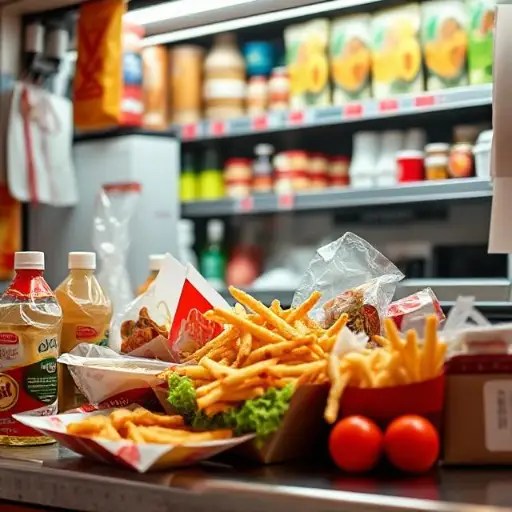
Ditching ultraprocessed foods can be a challenging task, but it’s a crucial step toward better health. The American diet is heavily influenced by ultraprocessed foods, which account for about 55% of the calories consumed daily. These foods, such as frozen pizza, deli meats, energy bars, and packaged breads, are often laden with additives, high-fructose corn syrup, and other ingredients not typically found in a home kitchen. Research has shown that diets high in ultraprocessed foods are linked to increased risks of obesity, Type 2 diabetes, cancer, cardiovascular disease, and depression.
Experts like Mathilde Touvier, research director at the French National Institute of Health and Medical Research, emphasize that even small steps toward reducing ultraprocessed foods can yield significant health benefits. Touvier is leading the NutriNet-Santé cohort, a long-term study examining the impact of diet on health. Her research underscores the importance of making gradual but meaningful changes to one’s eating habits.
While the food industry has pushed back against criticism, arguing that processing has made food safer, more convenient, and more affordable, nutrition scientists caution that not all processed foods are created equal. Some, like certain whole-grain breads, low-sugar yogurts, and plant-based meat alternatives, can be relatively healthier options. For example, some plant-based meat alternatives are now formulated with fewer additives and lower saturated fats than their traditional counterparts. However, it’s important to read labels carefully, as even these products can sometimes contain high levels of sodium and preservatives.
To start making changes, focus on the most problematic items such as sugary drinks and processed meats. These have the strongest scientific evidence linking them to health risks. For instance, frequent consumption of sugar-sweetened beverages is associated with higher risks of obesity, Type 2 diabetes, and heart disease. Randomized-controlled trials have confirmed the connection between these drinks and weight gain. Processed meats, including bacon, hot dogs, and deli turkey, are often high in sodium and contain preservatives like nitrites, which are linked to an increased risk of colon cancer.
Limiting energy-dense foods and checking labels for additives like artificial sweeteners and emulsifiers can also help. Artificial sweeteners, particularly aspartame, are associated with an increased risk of cancer in some studies. Titanium dioxide, used to brighten food colors, is banned in the European Union for use in food due to potential health risks. Some emulsifiers, such as carboxymethylcellulose and polysorbate 80, have been linked to higher risks of heart disease, Type 2 diabetes, and some cancers.
By making informed choices and incorporating healthier ultraprocessed foods into the diet, individuals can enjoy the convenience of these products while minimizing their health risks. For example, low-sodium jarred marinara sauce can be used to make a quick, healthy meal when paired with whole-grain pasta and lots of vegetables. Similarly, some frozen meals and soups can be healthier options if they are low in sodium and contain whole ingredients.
In conclusion, while ultraprocessed foods are a significant part of the modern diet, making conscious choices and focusing on healthier alternatives can lead to better long-term health outcomes. By understanding the risks and learning to read labels, individuals can take control of their diets and improve their overall well-being.




 The Tower Post