With longer battery life and new health alerts, the Apple Watch Series 11 and Ultra 3 offer compelling upgrades for users, though older models can still benefit from the latest software updates.
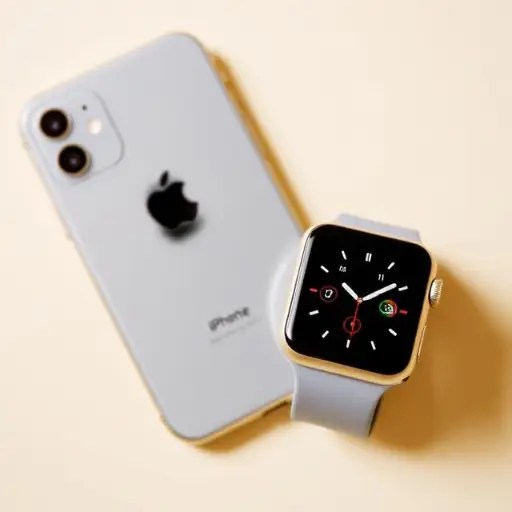
Apple has unveiled a new lineup of Apple Watches, including the Apple Watch SE 3, Series 11, and Ultra 3, each offering improved features and performance. The Apple Watch Series 11, in particular, marks a significant leap with a 24-hour battery life, up from the previous 18-hour standard. This improvement is a major win for users who have long been critical of the device’s battery life. In testing, the watch retained 10% of its charge after 24 hours of use, demonstrating its improved endurance. The Series 11 also features a more durable sapphire glass and a larger display, enhancing both usability and durability.
The Apple Watch Ultra 3 adds emergency satellite connectivity, allowing users to contact emergency services without a cellular plan, though additional features like messaging require one. Apple has not yet confirmed the pricing for satellite communication beyond the initial two years of inclusion. In comparison, similar connectivity for Garmin smartwatches starts at $8 per month, making the Apple Watch Ultra 3 a competitive option for outdoor enthusiasts and adventurers. The Ultra 3 also includes a more reliable GPS system, multiday battery life, and enhanced durability for extreme conditions.
Alongside these hardware upgrades, WatchOS 26 brings new health features such as hypertension alerts and sleep score tracking. These features are also available on older models that support the update, including the Series 6 and newer. The sleep score feature grades the quality of your night’s sleep, factoring in how many times you wake up and emphasizing elements you can act on, such as the consistency of your bedtime and how long you stay in bed. You can find your score in the watch’s Sleep app or the iPhone’s Health app, providing users with actionable insights into their sleep patterns.
The hypertension alerts work in the background, analyzing data from a 30-day period to detect signs of high blood pressure. If detected, users receive a “possible hypertension” notification, along with a suggestion to take daily cuff readings for a week to share with their doctor. This feature is available on models with WatchOS 26, including the Series 9 or newer, or the Ultra 2 or newer, and requires an iPhone updated to iOS 26. Apple emphasizes that the tool is not a diagnostic device but is intended to prompt users to consult with their healthcare providers.
Blood oxygen monitoring has also returned to the Apple Watch Series 9 and newer, as well as the Ultra 2 and newer, after a lengthy ban due to a patent dispute. However, readings now appear on the iPhone rather than the watch itself, which may be a point of frustration for some users who prefer immediate access to health data on their wrist.
While the latest models offer more advanced capabilities, users with compatible devices may find that upgrading is not immediately necessary. Apple Watches are like iPads—each new generation offers incremental improvements, and they tend to last for years. If your watch works and supports WatchOS 26, you can probably hold off on upgrading. However, given this year’s significant improvements to battery life and glass durability, it might be worth buying new, especially if you’re looking for the latest features.
For those considering a new model, the Apple Watch SE 3 starts at $249 and offers features such as sleep-apnea detection, wrist temperature monitoring for health and ovulation tracking. The Series 11, priced at $399 and up, includes all the features of the SE 3, plus hypertension alerts, ECG app, blood oxygen monitoring, water temperature and depth tracking. The Ultra 3, priced at $799, adds satellite connectivity, more reliable GPS, and multiday battery life.
If you’re in doubt, the Series 11 is a solid middle-ground option. With its battery update, it can spend more time on your wrist and less time on a charger, offering a balance between features and affordability.
Apple’s latest lineup continues to push the boundaries of wearable technology, offering users more health insights, longer battery life, and enhanced connectivity options. Whether you’re an outdoor enthusiast, a health-conscious individual, or simply looking for a reliable smartwatch, there’s a model to suit your needs. The company’s focus on health monitoring and user experience continues to set the standard in the smartwatch market.




 The Tower Post