A quick update on the active wars reshaping Asia and South America — from Gaza to Yemen, Myanmar to Pakistan, Colombia to Ecuador, and the Guyana–Venezuela standoff
From the Levant to the Red Sea and across the subcontinent, Asia’s conflicts remain volatile, entangling regional powers and global trade. Farther south and west, South America is grappling with a different breed of warfare: insurgencies, state–gang confrontation, and a simmering territorial dispute with energy stakes that reach far beyond the region. Here’s a concise, on‑the‑ground readout of what changed this month — and what to watch next.
Gaza & Israel: The war that began after Hamas’s October 2023 attack is deep into its second year. In mid‑September, Israel conducted fresh operations in Gaza City and signaled possible offensives into central Gaza’s crowded camp belt, even as humanitarian agencies warn of famine conditions in parts of the strip. Western diplomacy took a sharp turn this week as several U.S. allies formally recognized a Palestinian state, a move Israel blasted while vowing to press its campaign. The fighting continues to exact a staggering toll on civilians, while political pressure mounts on Israel’s leadership at home and abroad.
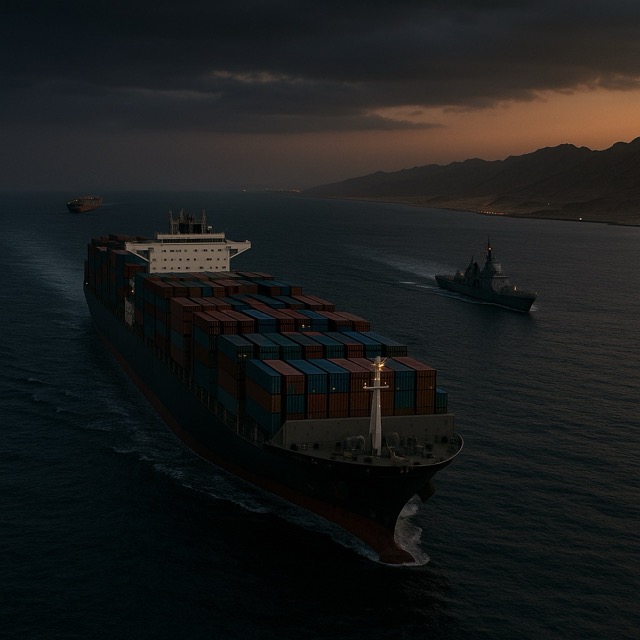
Red Sea & Yemen: The Gaza war has fused with the Red Sea crisis. Yemen’s Houthi movement keeps targeting commercial shipping and firing long‑range drones and missiles toward Israel, prompting retaliatory Israeli airstrikes in Sanaa, al‑Jawf and the strategic port of Hodeidah. The risk to global supply chains remains real: even short‑lived pauses have not restored confidence among shippers navigating the Suez corridor, and naval deployments have not fully blunted the threat. Each escalation cycle tightens the linkage between Gaza and the Red Sea theater.
Pakistan’s northwest: A resurgent Tehreek‑e‑Taliban Pakistan (TTP) continues to test Islamabad’s control along the Afghan frontier. The past two weeks saw deadly clashes and explosions in Khyber Pakhtunkhwa, with disputes over whether some blasts were militant accidents or the result of military strikes. Either way, the tempo of violence underscores the TTP’s capacity to mount complex attacks and the state’s struggle to curb cross‑border militant mobility since the Taliban’s 2021 takeover in Afghanistan.
Myanmar’s civil war: The junta’s battlefield map keeps fraying at the edges. Resistance alliances led by ethnic armies and People’s Defense Forces have pressed offensives in the north and east, while the military leans more heavily on airpower and artillery to offset manpower strains. Humanitarian access remains minimal; displacement is spreading, and cross‑border spillovers — refugees and illicit flows — continue to trouble neighbors. No credible mediation track is in sight.
Across South America, conflict looks different — more fragmented and urban — but no less destabilizing. Three fronts dominate September’s picture: Colombia’s insurgent talks in trouble, Ecuador’s state‑versus‑gang war spilling from streets into prisons, and renewed saber‑rattling over Guyana’s oil‑rich Essequibo.
Colombia: The government’s stop‑start negotiations with the ELN remain fragile after repeated breakdowns and spikes in violence. Authorities tout recent security operations, but rural communities still face extortion, displacement, and clashes involving ELN factions and FARC dissidents. The political cost of a faltering ‘total peace’ agenda is mounting as the calendar edges toward key local and national milestones.
Ecuador: President Daniel Noboa’s declaration of an ‘internal armed conflict’ with powerful drug‑linked gangs has militarized public security. This month’s deadly prison riot — one of many since 2021 — laid bare the state’s thin control over overcrowded facilities that gangs treat as command centers. Military deployments, curfews, and emergency decrees have contained but not crushed the cartels’ grip on ports and corridors crucial to the trans‑Andean cocaine flow.
Guyana–Venezuela: The Essequibo dispute remains a flashpoint. Caracas has staged symbolic moves — including appointing a ‘governor’ for the area it claims — and conducted military exercises, while the United States signaled backing for Guyana with deployments and statements. Georgetown, buoyed by offshore oil, is modernizing its defenses and diplomacy. A miscalculation around airspace, maritime patrols, or election‑season nationalism could jolt markets and draw in outside powers.
Why it matters now: The Asian theaters feed directly into global inflation and energy security through the Suez and key maritime lanes; South America’s conflicts threaten migration surges, commodity shocks, and the integrity of strategic energy investments. With great‑power competition layered atop local grievances, even tactical incidents can have outsized impact.
What to watch in the next 4–6 weeks:
• Gaza/Red Sea: Whether Israeli strikes in Yemen curb Houthi launch capacity — or trigger broader Iran‑aligned retaliation; any widening IDF ground push into central Gaza and its humanitarian fallout.
• Pakistan: Evidence clarifying responsibility for mass‑casualty blasts; the scale of cross‑border militant movement and any Kabul–Islamabad security backchannel to cool tensions.
• Myanmar: Signs of battlefield attrition within the junta’s ranks; whether resistance groups can hold and govern territory as rainy‑season conditions shift.
• Colombia: Concrete steps toward reviving talks with the ELN — or a pivot to heavier kinetic pressure that risks civilian harm and political blowback.
• Ecuador: Prison control and port security reforms; whether targeted financial measures can sever gang–state collusion.
• Guyana–Venezuela: Any air or maritime incident, especially involving foreign forces, that could tip a cold dispute hot.
Bottom line: Asia’s wars — from Gaza to the Red Sea and Myanmar to Pakistan’s frontier — are in active, dangerous motion. South America’s conflicts are more hybrid and internal, but they are escalating in ways that can ripple far beyond the continent. Expect more volatility before any durable off‑ramps emerge.
 The Tower Post