After a seven‑month suspension, the world’s top cobalt supplier will allow exports from October 16 while imposing strict volume limits aimed at stabilizing prices and nudging local processing.
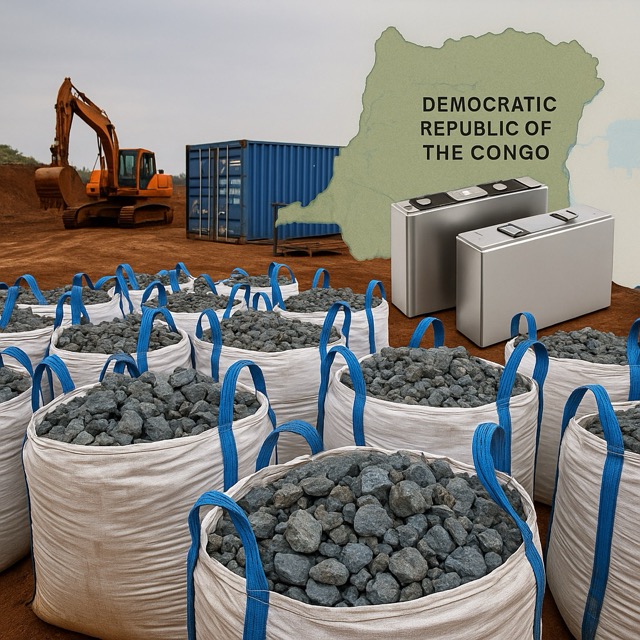
The Democratic Republic of Congo (DRC) is lifting its seven‑month ban on cobalt exports and replacing it with a quota system, a policy pivot that could reshape the market for one of the most important metals in electric‑vehicle batteries. From October 16, miners will be allowed to ship limited volumes of cobalt, with caps extending through 2027, according to Congo’s strategic minerals regulator.
Under the new framework, exports are limited to 18,125 metric tons for the remainder of 2025, followed by annual quotas of 96,600 tons in both 2026 and 2027. Officials say the limits are designed to drain a glut that built up after prices fell to multi‑year lows earlier this year, and to temper the boom‑bust cycles that have rattled the sector. The quotas also set aside an allowance—up to 10% of output—for strategic national projects, and will be adjusted quarterly if market conditions change, according to people familiar with the plan and public statements.
The decision marks the end of a suspension that began in February, at a time when spot prices were tumbling and inventories were swelling—particularly in China, a dominant buyer and refiner of Congolese cobalt hydroxide. By June, the ban had been extended as Kinshasa weighed a more sweeping regime to manage supply. The result is a quota system based partly on companies’ historical export levels, with the regulator reserving the right to buy back excess stocks and to revoke allocations for firms that breach rules.
For global automakers, battery makers and commodity traders, the change will be felt quickly. Congo accounts for more than 70% of mined cobalt supply, and the shift from a blanket ban to capped exports alters the timing and flow of material into the market. Analysts say the new limits could flip the market from surplus to deficit as early as 2026 if demand for nickel‑manganese‑cobalt (NMC) chemistries holds up and Chinese inventories remain tight.
Producers are split. Glencore, which mothballed production in the past to support prices, has signaled it can work within a rules‑based framework. CMOC Group, whose Tenke Fungurume mine is one of the world’s largest, has raised concerns about the rigidity and commercial impact of quotas. Artisanal supply—harder to track and often tied to precarious labor conditions—faces stricter scrutiny under the new regime, with authorities stepping up traceability requirements to reassure downstream buyers wary of reputational and compliance risks.
Price implications hinge on how strictly the quotas bite. The 18,125‑ton cap for the rest of 2025 equates to roughly two months of China’s typical pre‑ban import pace, suggesting a period of tightness in cobalt hydroxide feedstock for refineries. Futures and spot indicators have already shown volatility around policy headlines, and battery‑grade sulphate prices in China are likely to respond first given their sensitivity to hydroxide availability.
Beyond near‑term market mechanics, the DRC is using the quota era to push for greater local value addition. Kinshasa wants more cobalt processed onshore—into intermediate or even precursor materials—rather than exported as low‑value ore or hydroxide. Officials have linked quota management to investments in infrastructure such as the Lobito Corridor and to a suite of incentives for refining and battery‑adjacent industries. Western and Chinese stakeholders are jockeying for position as Congo courts competing visions for its energy‑transition minerals.
Logistics remain a pressure point. Transport bottlenecks, security threats in the east, and intermittent power supply complicate production and exports. Even after the ban is lifted, the pacing and reliability of shipments will depend on corridor capacity and security on the ground. Companies with diversified routes and stronger local partnerships could enjoy a comparative advantage under the quota system.
Environmental, social and governance (ESG) questions will continue to shadow the sector. The government’s pledge to tighten oversight of artisanal mining and enforce compliance could improve traceability, but civil‑society groups want clearer disclosure, stronger protections for workers, and credible, independent audits. If the quota system channels more cobalt into formalized supply chains while curbing opportunistic trading, large EV brands may find it easier to meet their sourcing commitments.
For now, market participants are recalibrating. Battery makers are testing substitution strategies—such as higher‑manganese chemistries or further expansion of lithium‑iron‑phosphate (LFP) in some segments—but NMC remains entrenched in many performance‑sensitive applications, particularly in Europe and North America. Should quotas be enforced as announced, the cobalt balance could tighten just as EV sales stabilize from this year’s cyclical slowdown, setting the stage for firmer prices into 2026–27.
What to watch next: the fine print of company‑by‑company allocations; whether ARECOMS buys excess stocks; how strictly unused quotas roll over (or don’t); the trajectory of Chinese inventories; and the pace of any new domestic processing projects. The policy’s success will be measured less by a single price print than by whether it delivers stability for miners and predictable feedstock for battery supply chains—without choking off investment.
In a market accustomed to abrupt swings, Congo’s bid to manage cobalt through quotas is an experiment with global ramifications. If it works, it could become a template for other critical‑minerals producers seeking greater control over supply and value capture. If it doesn’t, it risks adding a new source of uncertainty to a metal already vital to the energy transition.




 The Tower Post