The city, once a symbol of rapid tech growth, now grapples with the consequences of a shrinking industry and a reeling economy.
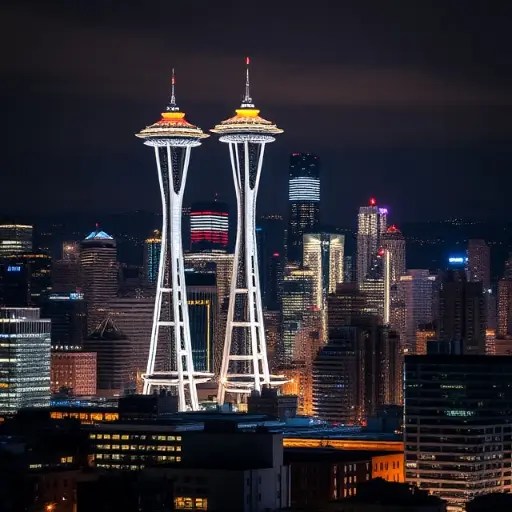
Seattle, long hailed as a tech powerhouse thanks to the rise of Amazon and Microsoft, is now confronting the repercussions of a shrinking industry and a reeling economy. Once a hub of innovation and growth, the city is now witnessing a shift as major tech companies scale back, leading to widespread layoffs and a ripple effect across other sectors.
Hannah Andrews, a manager at Five Stones Coffee Co. in Redmond, has noticed a troubling trend: highly qualified individuals with backgrounds in tech are applying for minimum-wage jobs. These candidates, often holding advanced degrees and experience in graphic design or marketing, are now seeking entry-level positions in the service industry. Many of them are former senior professionals from tech firms, now applying for roles that pay just $16.66 an hour — the minimum wage in Redmond. While the coffee shop has not yet hired any of them, the phenomenon underscores the growing uncertainty in the job market.
The Seattle area, once synonymous with the birth of Starbucks, Boeing, and grunge music, has undergone a dramatic transformation over the past few decades. The rise of Microsoft and Amazon turned it into one of the premier U.S. tech hubs. However, the economic boom driven by these companies has now given way to a period of contraction.
Amazon and Microsoft, the two largest employers in the region, have laid off more than 46,000 employees since 2023, according to Layoffs.fyi. This has led to a noticeable decline in retail and restaurant spending in popular areas, as well as a surge in commercial real-estate vacancies. Home prices have stagnated, and home sales have slowed, despite broader economic factors.
The impact of these layoffs is being felt across the city. Restaurants and retail businesses are struggling, with some areas experiencing a 7% drop in transactions. Uber driver Juan Prado, who once made six figures, now faces a much lower demand for rides. Similarly, moving services like Adam’s Moving Service have seen a sharp decline in tech-related business.
The real-estate market, once a beneficiary of the tech boom, is now showing signs of cooling. The average number of days a home spends on the market has doubled since 2022, and the number of homes for sale has increased significantly. Many tech workers are selling their homes out of concern for the uncertain future.
Todd Haugen, a former Microsoft employee who left in 2022, decided to sell his four-bedroom, 4,000-square-foot house in Bellevue, Washington, after being laid off. “My LinkedIn feed is crammed with people who have been laid off,” he said. “It was either sell it today or be in it for another 10 years.”
Despite these challenges, some aspects of Seattle’s economy remain resilient. Downtown areas are seeing increased foot traffic as companies bring employees back to the office, and the aerospace and trade sectors continue to thrive. However, the outlook for many tech workers remains bleak as companies invest in AI and other tools to streamline operations.
Microsoft CEO Satya Nadella has emphasized the company’s growing reliance on AI to perform coding and other tasks once done by people. In June, Amazon announced that its workforce would shrink going forward. This has led to a significant drop in job placements, with hiring windows lengthening and open roles receiving around 10 times as many applications.
Some laid-off employees have started their own companies. Raed Jarrar, a former Microsoft employee, founded a company that rents out tools, games, and baby gear as a backup plan. It is now his primary source of income. “Between 2012 and 2022, it was definitely an employee’s market,” said Jarrar, 42. “It was a great period, until everything flipped.”
Hadi Alhussieni, 24, has been self-employed since Sony closed down and laid off all employees at the game studio where he worked. He is now creating his own game, called FPS Chess, and trying to sell his condo in Bellevue, with plans to put the proceeds into his business. “Everyone is worried,” he said.
As the city navigates this period of transition, the question remains: How should Seattle move forward in the face of these economic shifts?




 The Tower Post