Transforming Your Workspace into a Sanctuary of Creativity and Comfort
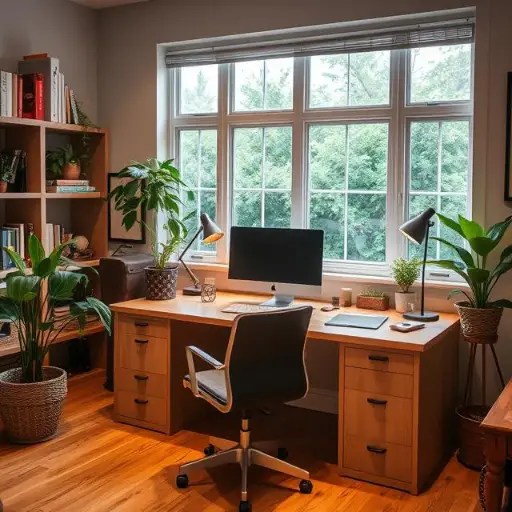
Personalizing your home office isn’t just about aesthetics—it’s a strategic move that can significantly enhance your productivity, emotional well-being, and even your sense of identity. Scientists and designers increasingly argue that the way we decorate our workspaces plays a crucial role in our ability to focus, create, and feel motivated. From ergonomic furniture to sentimental objects, the right touches can turn a mundane workspace into a place you actually enjoy being.
In a recent anecdote, a houseguest used a cream-colored cashmere throw from the author’s office as a cozy blanket while working on email, highlighting how comfort items can serve both functional and emotional roles. According to Joann Peck, a business professor at the University of Wisconsin-Madison, a happy workspace can spark creativity and improve focus. “If the place you work makes you feel happy, it can spark creativity,” she explains. Designer Jonathan Adler, whose “home office” is a shared dining table, emphasizes that modern work no longer adheres to traditional 9-to-5 schedules, making it essential for workspaces to feel like a treat rather than a chore.
From hiding printers out of sight to incorporating tactile elements like smooth glass knobs and textured paperweights, small adjustments can make a big difference. Research shows that handwriting with a pencil enhances memory retention, as the visual-motor coordination required helps ideas stick. Psychologist Sophia Vinci-Booher, who studies memory, explains that “you have to think harder than if you’re pushing keys,” a process she calls visual-motor contingency. This concept is particularly relevant in an age where digital tools often lead to passive engagement with information.
Sentimental objects, such as a child’s handmade ceramic vessel, can provide emotional support and a sense of purpose. Psychologist Toby Israel notes that such items are “rejuvenative,” quietly grounding us in who we are and why we’re working in the first place. San Francisco designer Palmer Weiss suggests collecting visually related items to create a cohesive, intentional look rather than clutter. She recalls a client who kept a collection of flags from his travels tucked just out of Zoom’s line of sight—“a little mini vacation for his eyeballs,” as she put it.
Adding playful lamps and greenery further contributes to a more creative and relaxed environment. Biophilic design research supports the idea that greenery lowers blood pressure, sharpens concentration, and boosts mood while reducing anxiety. Designer Kim Colwell recommends hiding printers in credenzas or using sliding shelves to keep them out of sight, calling it “the only civilized solution.” She also favors Bocci’s 28t lamps—glass spheres that resemble crystal balls—because they bring a sense of play and creativity into the workspace.
Ultimately, the key to a productive home office lies in creating a space that feels personal, comfortable, and inspiring. Whether it’s through a well-placed throw, a meaningful trinket, or a vibrant plant, the goal is to transform your workspace into a sanctuary that supports both your professional and personal well-being. As Adler puts it, “Wherever you work should feel like a treat, not a chore.”
In an era where remote work is the norm, the psychological and ergonomic benefits of a thoughtfully designed workspace are more important than ever. By blending function with personal expression, we can create environments that not only support productivity but also nurture our mental and emotional health.




 The Tower Post