Startup Faces Turbulent Times as Key Executives Exit and Operations Are Paused
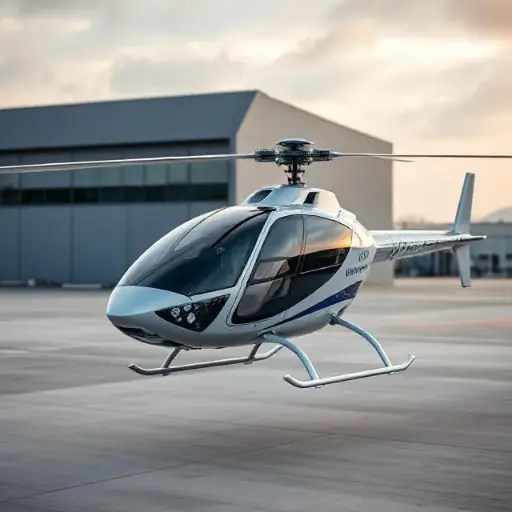
Hyundai’s electric air taxi startup, Supernal, is undergoing a significant leadership overhaul just weeks after pausing its vehicle development program and losing its CEO and CTO. According to recent reports, Supernal’s chief strategy officer, Jaeyong Song, and chief safety officer, Tracy Lamb, have both left the company. Lina Yang, who previously served as the head of intelligent systems and was the chief of staff to the departed CEO Jaiwon Shin, has also exited.
In a statement Supernal said the changes are part of a strategic review to align with its long-term goals as it transitions to new leadership. The company emphasized that Hyundai Motor Group remains committed to its advanced air mobility (AAM) business. Song’s departure is particularly notable, as he had spent three years as vice president of Hyundai’s AAM group before joining Supernal in 2023. Lamb, on the other hand, has a long history in the aerospace industry as a commercial pilot and safety executive, with experience spanning decades in aviation safety and operations.
This shake-up comes at a challenging time for Supernal, which has faced a series of setbacks this year. The startup abruptly wound down its Washington, D.C., headquarters at the end of 2024 and laid off dozens of employees shortly after achieving its first test flight in March. By early September, the company began its executive changes and paused its air taxi program.
The move to pause operations follows a difficult year marked by uncertainty in the electric vertical takeoff and landing (eVTOL) industry. While some companies are securing investment and partnerships ahead of commercial launches, others are struggling to stay afloat. The U.S. regulatory environment for eVTOLs has been evolving, with increasing support for the sector, but Supernal’s recent challenges highlight the risks and pressures faced by startups in this emerging space.
Supernal was spun out of Hyundai’s AAM division in 2021, with the goal of developing urban air mobility solutions. However, the company has faced repeated setbacks, including operational delays and leadership changes. With the departure of key executives and the pause in its vehicle program, the future of Supernal’s ambitions in the eVTOL space remains uncertain.
The company’s struggles are not unique to the eVTOL sector, but they underscore the high stakes involved in bringing next-generation transportation to market. As the industry moves toward commercialization, the need for regulatory clarity, financial stability, and technological breakthroughs has never been more pressing. For Supernal, the road ahead will likely depend on its ability to stabilize its leadership, secure funding, and regain momentum in a highly competitive landscape.




 The Tower Post