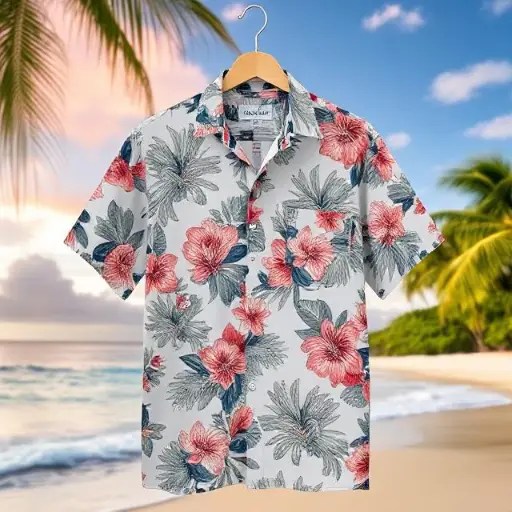
From Plantation Fields to Runways, Palaka Emerges as a Symbol of Hawaiian Identity and Resilience
The iconic checkerboard pattern known as palaka is more than just fabric—it’s a symbol of Hawaiʻi’s history, resilience, and identity. Once worn by plantation workers, palaka is now experiencing a resurgence, solidifying its place as the “denim of Hawaiʻi.” According to Andy Reilly, a professor at the University of Hawaiʻi at Mānoa, the fabric’s revival is rooted in a deeper connection to local culture and history. Reilly noted that many Hawaiʻi residents have ancestors who wore palaka in the fields, making its legacy deeply personal and intergenerational.
The story of palaka began in the early 1800s with the arrival of sailors. The name is believed to be a Hawaiian transliteration of the English word “frock,” the shirt worn by sailors. The fabric, originally from New England, became essential during the plantation era, especially for Japanese immigrant workers who found its blue-and-white check reminiscent of traditional indigo-dyed fabrics in Japan. This connection helped the fabric become a staple of daily life and a symbol of cultural continuity.
The transformation of palaka into a symbol of local pride was likely catalyzed by the Thalia Massie case in 1931, an infamous miscarriage of justice that unified Hawaiʻi’s diverse ethnic groups against the power structure of the time. Reilly explained that this event marked a turning point, helping palaka evolve from simple workwear into a representation of Hawaiian working-class identity and resilience.
In the 1960s and ’70s, palaka evolved with the introduction of new colors like red, yellow, and green, reflecting the growing influence of Hawaiian nationalism and the reclaiming of indigenous identity. The 1980s saw the rise of the “Palaka Power” movement, a statement of pride for the descendants of Japanese plantation laborers who had achieved political and economic success. This movement helped elevate palaka from a utilitarian fabric to a symbol of cultural empowerment and social progress.
Today, local designers such as Matt Bruening and Kini Zamora are breathing new life into the historic pattern by experimenting with colors, print scales, and fabric cuts, creating fresh and modern interpretations of the classic design. The pattern was also featured in a recent, sold-out collection of UH-branded bags by ALOHA Collection, further cementing its place in Hawaiian fashion and contemporary design.
As Reilly noted, “People always recognize the palaka fabric just from that blocky plaid design.” When people think of Hawaiʻi and fashion, they usually refer to the aloha shirt—but there’s so much more about Hawaiʻi and the fashion history beyond the aloha shirt, and palaka is just one good example of that.
In recent years, palaka has also been embraced by Hawaiian cultural institutions and educational programs, with efforts to preserve and promote its significance in both textile arts and historical education. The fabric is now being used in modern apparel, accessories, and even home décor, showcasing its versatility and enduring appeal.
From its humble beginnings in plantation fields to its current status as a fashion icon, palaka continues to weave together the past and present, offering a visual narrative of Hawaiʻi’s rich cultural tapestry.



 The Tower Post