
Beyond Logos and Labels: The Hidden Fashion Code of the Elite
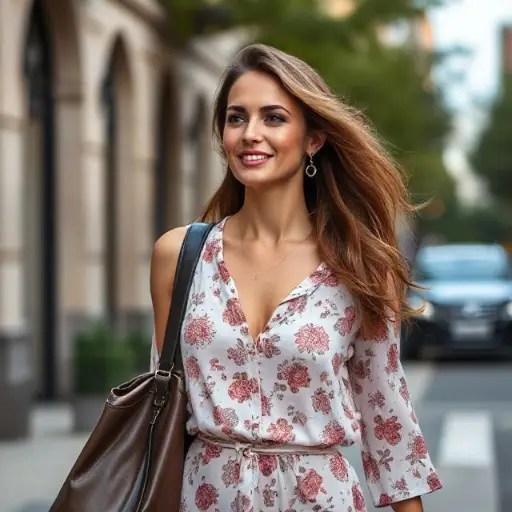
In a world where fashion often screams for attention through logos and price tags, the true markers of wealth are far more subtle. Beneath the surface of luxury lies a hidden language of understated elegance, one that only those who grew up wealthy can truly understand. This nuanced approach to dressing reveals a deeper philosophy: wealth is not about showing off, but about knowing.
During a summer internship at a prestigious Manhattan law firm, the author discovered that the wealthy dress to be recognized by each other, not by the masses. Their clothing speaks in a language of quality, subtlety, and long-term value. A simple white t-shirt, for example, can be a symbol of generational wealth, crafted from Sea Island cotton and designed to last decades. These garments are not meant to stand out, but to quietly signify membership in an exclusive club.
The same principle applies to footwear. Wealthy individuals invest in shoes that are never new, yet never worn out. Their leather soles are silent on marble floors, and their shoes tell stories through wear patterns and patina, rather than loud logos. This investment in footwear is a long-term commitment, with dividends paid over a lifetime. Many of these individuals have relationships with trusted cobblers who maintain their shoes with precision, ensuring they remain in perfect condition for years.
Invisible alterations also play a key role in the wealthy’s wardrobe. Their clothes are never truly off-the-rack; they are customized by skilled tailors and seamstresses who make house calls to certain zip codes. These alterations are so subtle that the garments appear effortlessly perfect, yet they are the result of meticulous craftsmanship and personal attention. This practice reflects a broader understanding of clothing as an investment, not a disposable purchase.
The wealthy also embrace a seasonless approach to dressing, favoring trans-seasonal pieces that can be worn year-round. Their wardrobes are built on a foundation of timeless colors and fabrics, avoiding trends that come and go. This approach reflects a different relationship with time—one that values accumulation over cyclical change. Instead of buying new clothes for each season, they invest in versatile, high-quality items that can be layered and styled in various ways.
Heritage pieces are another hallmark of the wealthy. These items, often inherited from deceased relatives, are worn with natural ease, becoming extensions of the body rather than sentimental accessories. Whether it’s a watch, a cufflink, or a calling card case, these pieces carry stories that are rarely discussed, yet deeply meaningful. The wealthy often choose items that are functional rather than decorative, ensuring they can be passed down through generations without losing their relevance.
Even athletic wear tells a story. The wealthy choose gym clothes not for performance, but for provenance—each piece whispering of expensive hobbies and exclusive memberships. These items are worn with actual use, showing the marks of time and activity, unlike the pristine athletic wear of others. A tennis skirt from a specific country club or a rain jacket from a sailing regatta can speak volumes about one’s lifestyle and social circles.
In a world where monograms are often seen as a mark of expense, the wealthy follow a different rule: the more expensive the item, the less likely it is to be monogrammed. Their private marking system speaks to a quiet continuity across generations, with initials hidden in places only the most attentive would notice. This practice reflects a deeper understanding of ownership—not as a display of wealth, but as a quiet, enduring legacy.
Finally, the wealthy often dress in reverse when it comes to occasions. The more formal the event, the more understated their attire appears. They seem to operate by different rules, showing up in what looks like business casual for galas and weekend wear for business meetings, always maintaining a sense of effortless sophistication. This approach not only reflects their confidence but also their understanding that true wealth lies in the ability to remain composed and unbothered by societal expectations.
In the end, the fashion choices of the wealthy reveal a deeper understanding of value, time, and legacy. It’s not about what you wear, but how you wear it—and who you are.



 The Tower Post