
Exploring Battery Life, Display Technology, and Camera Capabilities
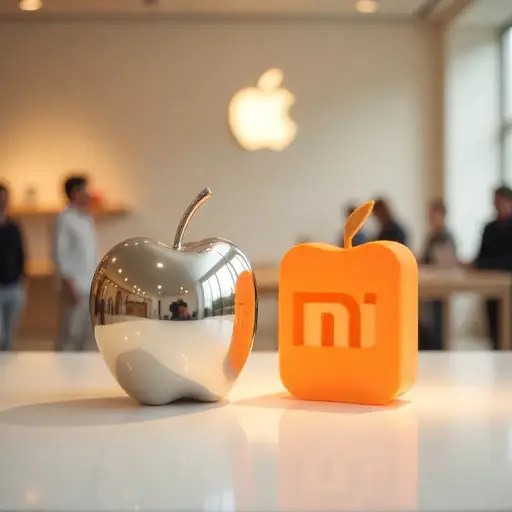
In the fiercely competitive landscape of premium smartphones in 2025, the Xiaomi 17 Ultra and the iPhone 17 Pro emerge as two standout contenders, each embodying distinct philosophies in design, performance, and innovation. Their battle for supremacy offers consumers a choice between cutting-edge hardware and a finely tuned software ecosystem.
Xiaomi’s 17 Ultra boasts a commanding presence with its expansive 6.82-inch AMOLED screen, presenting images in vivid detail at a resolution of 1440 by 3200 pixels and a smooth 120Hz refresh rate. Its generous battery capacity of 7000mAh far surpasses many rivals, promising endurance that stretches well beyond a typical day’s use. This smartphone is powered by the Snapdragon 8 Elite Gen 5 chipset, backed by as much as 16GB of RAM, positioning it as a powerhouse capable of handling intense multitasking and gaming sessions without breaking a sweat.
On the opposite side, the iPhone 17 Pro condenses Apple’s renowned craftsmanship into a slightly smaller 6.3-inch Super Retina XDR OLED display. Although more compact, it shines with a high resolution of 2622 by 1206 pixels and integrates ProMotion technology that adaptively shifts refresh rates up to 120Hz for seamless interaction. Its power comes from Apple’s latest A19 Pro chip alongside 12GB of RAM, a combination optimized for the latest iOS 26 software, delivering not just speed but also exemplary energy efficiency through tight hardware-software synergy.
Battery life is one of the starkest contrasts between the two. Xiaomi’s Ultra model emphasizes raw capacity — packing a mammoth 7000mAh battery complemented by rapid 100W wired and 50W wireless charging capabilities, it targets users who prioritize longevity and fast recharging. Meanwhile, Apple continues its tradition of smaller yet intelligently engineered batteries, estimated around 4000mAh, which benefit from the company’s meticulous power management and fast MagSafe wireless charging system.
The camera systems reflect different approaches to photography. Xiaomi installs a versatile triple 50MP lens array capable of capturing ultra-wide shots, sharp telephoto images, and detailed macro scenes, appealing to those who demand comprehensive photographic flexibility. In contrast, the iPhone 17 Pro leverages a sophisticated triple-camera pack centered on 48MP sensors, delivering superb low-light performance, advanced computational photography, and video recording capabilities, highly favored by content creators who rely on color accuracy and realism.
Beyond specifications, Xiaomi offers innovation with a secondary rear display, Wi-Fi 7 connectivity, and silicon-carbon battery technology that underscores its push for pioneering hardware features. Apple, meanwhile, upholds its ecosystem strengths with features like the Dynamic Island, Always-On display, and Face ID, combined with premium materials and durable design to enhance user experience.
Price points set further distinctions with Xiaomi aiming for a more accessible flagship experience without skimping on cutting-edge specs, whereas the iPhone 17 Pro commands a premium, reflecting its brand stature and software excellence.
In the end, the Xiaomi 17 Ultra and the iPhone 17 Pro illustrate two distinct visions for the modern smartphone: Xiaomi pushes boundaries in hardware innovation and battery endurance, while Apple refines the integration of advanced hardware and intuitive software for a seamless user experience. Choosing between them comes down to whether one values raw performance and novel features or a polished ecosystem with industry-leading software support.
In the fiercely competitive landscape of premium smartphones in 2025, the Xiaomi 17 Ultra and the iPhone 17 Pro emerge as two standout contenders, each embodying distinct philosophies in design, performance, and innovation. Their battle for supremacy offers consumers a choice between cutting-edge hardware and a finely tuned software ecosystem.
Xiaomi’s 17 Ultra boasts a commanding presence with its expansive 6.82-inch AMOLED screen, presenting images in vivid detail at a resolution of 1440 by 3200 pixels and a smooth 120Hz refresh rate. Its generous battery capacity of 7000mAh far surpasses many rivals, promising endurance that stretches well beyond a typical day’s use. This smartphone is powered by the Snapdragon 8 Elite Gen 5 chipset, backed by as much as 16GB of RAM, positioning it as a powerhouse capable of handling intense multitasking and gaming sessions without breaking a sweat.
On the opposite side, the iPhone 17 Pro condenses Apple’s renowned craftsmanship into a slightly smaller 6.3-inch Super Retina XDR OLED display. Although more compact, it shines with a high resolution of 2622 by 1206 pixels and integrates ProMotion technology that adaptively shifts refresh rates up to 120Hz for seamless interaction. Its power comes from Apple’s latest A19 Pro chip alongside 12GB of RAM, a combination optimized for the latest iOS 26 software, delivering not just speed but also exemplary energy efficiency through tight hardware-software synergy.
Battery life is one of the starkest contrasts between the two. Xiaomi’s Ultra model emphasizes raw capacity — packing a mammoth 7000mAh battery complemented by rapid 100W wired and 50W wireless charging capabilities, it targets users who prioritize longevity and fast recharging. Meanwhile, Apple continues its tradition of smaller yet intelligently engineered batteries, estimated around 4000mAh, which benefit from the company’s meticulous power management and fast MagSafe wireless charging system.
The camera systems reflect different approaches to photography. Xiaomi installs a versatile triple 50MP lens array capable of capturing ultra-wide shots, sharp telephoto images, and detailed macro scenes, appealing to those who demand comprehensive photographic flexibility. In contrast, the iPhone 17 Pro leverages a sophisticated triple-camera pack centered on 48MP sensors, delivering superb low-light performance, advanced computational photography, and video recording capabilities, highly favored by content creators who rely on color accuracy and realism.
Beyond specifications, Xiaomi offers innovation with a secondary rear display, Wi-Fi 7 connectivity, and silicon-carbon battery technology that underscores its push for pioneering hardware features. Apple, meanwhile, upholds its ecosystem strengths with features like the Dynamic Island, Always-On display, and Face ID, combined with premium materials and durable design to enhance user experience.
Price points set further distinctions with Xiaomi aiming for a more accessible flagship experience without skimping on cutting-edge specs, whereas the iPhone 17 Pro commands a premium, reflecting its brand stature and software excellence.
In the end, the Xiaomi 17 Ultra and the iPhone 17 Pro illustrate two distinct visions for the modern smartphone: Xiaomi pushes boundaries in hardware innovation and battery endurance, while Apple refines the integration of advanced hardware and intuitive software for a seamless user experience. Choosing between them comes down to whether one values raw performance and novel features or a polished ecosystem with industry-leading software support.




 The Tower Post