
A New Era of Prize Money and On-Pitch Uncertainty
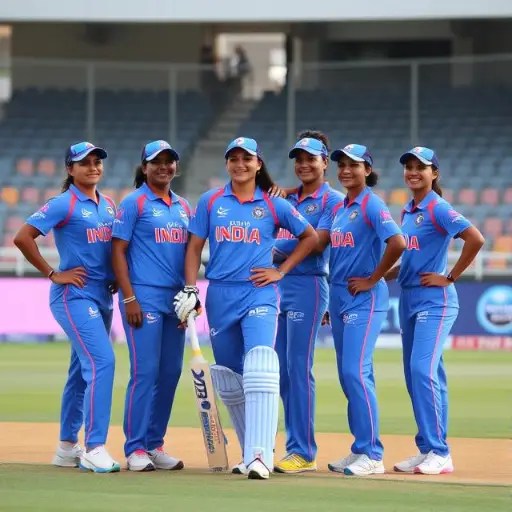
The Women’s Cricket World Cup is set to return to India, beginning on Tuesday in Guwahati and concluding with the final on 2 November. This edition marks a significant leap from the 2013 tournament, where England’s head coach, Charlotte Edwards, famously packed ketchup in her suitcase. Back then, the game was far from the professional spectacle it has become today, with prize money soaring from $200,000 to a staggering $13.88 million — surpassing the men’s 50-over World Cup total of $10 million. The International Cricket Council (ICC) has clearly signaled the growing value of women’s cricket, with the prize pool reflecting the sport’s rising global stature.
However, the event faces challenges that threaten to overshadow its potential. Ticket sales began less than a month ago, and the ICC has made last-minute changes to the schedule for security reasons, including moving some matches from Bengaluru to Navi Mumbai. Pakistan’s games, including possible semi-final and final matches, are being held in Sri Lanka due to the India-Pakistan political situation. Meanwhile, the lack of promotion for the 50-over World Cup compared to next year’s T20 event in England and Wales has raised concerns among fans and stakeholders.
The logistical hurdles for teams are also immense. New Zealand, for example, will travel nearly 9,000km across five cities — Guwahati, Mumbai, Indore, Visakhapatnam, and Colombo — while England will manage 7,000km across four cities. The pressure is mounting on teams like England, who face early fixtures against South Africa, Bangladesh, Sri Lanka, and Pakistan. Recent setbacks, such as the loss of seamer Kate Cross, have added to the uncertainty surrounding their campaign. Cross, a popular figure in the team and a well-known podcaster, was dropped in favor of younger players like Em Arlott and Lauren Filer, a decision that sparked a wave of sympathy and debate about the direction of the team.
As the tournament begins, the spotlight will be on the rivalry between Australia and India, two of the strongest teams in the competition. Australia, the reigning champions, are led by captain Meg Lanning and bolstered by the return of Alyssa Healy from injury. Healy’s presence adds depth to the Australian batting lineup, which has been a key factor in their dominance over the past few years. India, on the other hand, boasts a formidable lineup with Smriti Mandhana in scintillating form, having scored back-to-back centuries against Australia in recent matches. The final could be a thrilling showdown, with India having the added incentive of securing their first-ever World Cup title on home soil.
The tournament also highlights the progress made in women’s cricket over the past decade, with professional contracts, team dietitians, and dedicated support staff now commonplace. The India Women’s Premier League (I-WPL), launched in 2023, has further fueled the growth of the sport in the region, offering a platform for emerging talent and increasing fan engagement. The success of the I-WPL has not only elevated the profile of women’s cricket in India but also provided a financial boost to players, helping to bridge the gap between men’s and women’s cricket in terms of earnings and visibility.
However, with late ticket sales and logistical challenges, the opportunity to showcase the sport’s growth may be at risk. The lack of early marketing has left many fans unsure of the event’s scale and significance, potentially affecting attendance and fan engagement. This is especially concerning given the high-profile nature of the tournament and the historic moment it represents for women’s cricket.
As the teams take to the field, the world will be watching to see if this tournament can live up to its potential — both on and off the pitch. With the stakes higher than ever, and the spotlight on the future of women’s cricket, the 2025 Women’s World Cup could be a defining moment in the sport’s history.




 The Tower Post