
An Exhibition Celebrates the Artistry and Realism Behind Iconic Film and TV Costumes
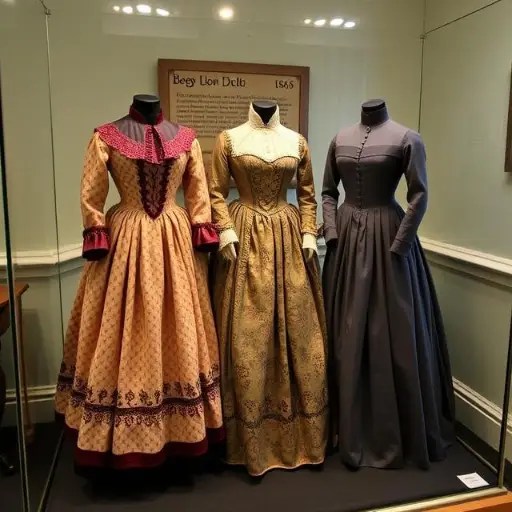
For six decades, Cosprop has been a cornerstone in the world of cinematic costuming, offering a level of realism that has transformed actors into characters and brought historical eras to life on screen. Founded in 1965 by costume designer John Bright, the company was built on a simple yet ambitious mission: to create period-accurate clothing that would elevate the authenticity of film and television. From Colin Firth’s iconic wet shirt in Pride and Prejudice to Meryl Streep’s safari gear in Out of Africa, Cosprop’s work has left an indelible mark on both cinema and fashion.
Now, the Fashion and Textile Museum in south London is showcasing the breadth of Cosprop’s legacy through the exhibition Costume Couture, which highlights over 60 years of the company’s groundbreaking work. Featuring costumes from iconic films and series like A Room With a View, Howards End, and Little Women, the exhibition offers a glimpse into the meticulous craftsmanship that has defined Cosprop’s approach. As film historian Keith Lodwick, the exhibition’s curator, explains, the distinction between costume and clothing is vital: “Cosprop anchors itself in clothing that is accurate to the time and place,” he says, contrasting it with stylized period dramas like Bridgerton.
The exhibition also highlights the dedication of Cosprop’s artisans, who often create garments that may only appear briefly in the background of a scene. These pieces are made using period-accurate materials and techniques, many of which are no longer commonly practiced outside of high-end fashion houses. Bright emphasizes the importance of preserving these skills, stating, “The past is always what we build the future on.” One example of this is a lavish, beaded mermaid’s dress from The Underwater Film, which embodies traditional craftsmanship while incorporating modern elements.
Cosprop’s commitment to historical accuracy is rooted in its extensive archive of historical clothing. Where possible, employees study the structure and design of these garments up close, gaining first-hand knowledge of how to recreate them so closely that “you can’t tell what’s original,” says Lodwick. This dedication ensures that even the most subtle details—such as the texture of fabric or the stitching—are as authentic as possible.
While period dramas may not be as popular as they were in the 1980s and 90s, Lodwick believes the demand for historical accuracy will always exist. “There will always be ebb and flow—audience taste always changes,” he says, but he notes that new adaptations of classics like Pride and Prejudice and Sense and Sensibility continue to be produced. “Perhaps in turbulent times, we kind of need those dramas to take us back to a time where we thought it was all better.”
The exhibition also serves as a tribute to the generations of artisans who have worked at Cosprop, each bringing their own perspective and inspiration. As Bright notes, “Most of the girls in the workroom remember [‘90s BBC series] The House of Eliott, whereas the 50-year-olds sort of remember A Room With a View as their key thing.” This intergenerational connection underscores the enduring appeal of historical storytelling through costume design.
Costume Couture is more than just a celebration of past achievements—it is a testament to the enduring value of craftsmanship, historical research, and the power of clothing to transport audiences to another time. As Bright concludes, “If we’re seeing something that’s supposedly 1800s, we want it to be proper, unless it’s a programme like Bridgerton, where they’re making fun of the clothes and the times. For most dramas, it’s best to be rooted in reality.”




 The Tower Post