
A fivefold surge in foreign visitors collides with weak wages, a soft currency and simmering overtourism anxieties
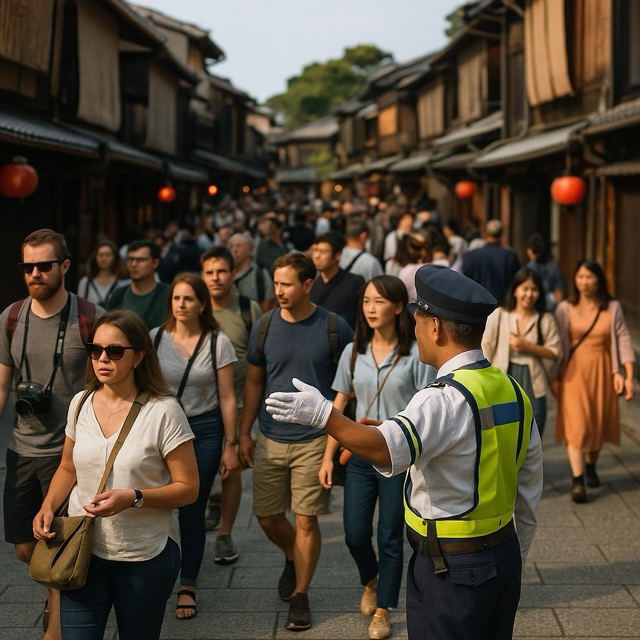
TOKYO — Japan is bustling again. From Kyoto’s temple-lined lanes to Sapporo’s ramen alleys and the subtropical shores of Okinawa, the country’s post‑pandemic tourism rebound has hardened into a full‑blown boom. International arrivals have surged to record highs, helped by cheaper yen‑denominated prices and a wave of pent‑up demand. The government is leaning into the momentum, pitching a longer‑term target of 60 million annual visitors by 2030. For hoteliers, retailers and railways, the boom is a welcome shot of adrenaline.
But for many Japanese, the surge is also an uncomfortable mirror. The flood of foreign spending—so visible in currency exchange queues and rolling suitcases—owes as much to Japan’s own economic fragility as to its cultural magnetism. The weak yen that makes sushi lunches and bullet‑train jaunts feel like bargains to foreigners is a reminder, at home, of wage stagnation and shrinking purchasing power. The country’s most photogenic neighborhoods, meanwhile, are straining under the weight of overtourism, prompting new rules and local backlash.
The scale of the rebound is hard to overstate. In 2005, Japan welcomed roughly 6.7 million foreign visitors. By 2019, the number had climbed to a then‑record 31.9 million. After the pandemic collapse, arrivals roared back: in 2024 they approached 37 million, and monthly figures through 2025 have repeatedly set new highs, with China, South Korea and Taiwan again among the biggest sources of visitors. It is a transformation more than fivefold in two decades, reshaping city centers and service jobs across the archipelago.
A big driver sits on currency boards. Through much of 2025 the yen oscillated near multi‑decade lows against the dollar before firming modestly into autumn. For inbound travelers, that translated directly into discounts: hotel rates, museum tickets, even Michelin‑star meals were suddenly attainable. For locals, the same currency story made imports pricier and overseas holidays remote. The Bank of Japan, after years of ultra‑easy policy, has begun contemplating further rate increases—an extraordinary sentence in the Japanese context—but the policy shift has yet to rewrite the everyday arithmetic for households.
In Kyoto, the friction is visible. Buses heave under the load; narrow lanes clog with selfie sticks; residents complain about litter, noise and rising rents. Officials have cordoned off parts of Gion’s private alleyways after repeated incidents of intrusive behavior toward geiko and maiko, and city leaders debate taxes and time‑of‑day restrictions. Similar strains ripple across other hotspots—from the slopes of Mount Fuji, where crowd control and safety barriers have been stepped up, to Tokyo’s Tsukiji area, where food‑stall etiquette guides now appear in multiple languages.
The boom’s benefits are also real. Duty‑free sales have soared, regional airports have added routes, and small towns once bypassed by domestic travelers are experimenting with tourism as an economic lifeline. Retailers from convenience‑store chains to department stores report bumper quarters driven by inbound spending on cosmetics, electronics and luxury goods. For a graying economy confronting chronic labor shortages, service‑sector demand has created jobs—even as restaurants and ryokan struggle to hire enough staff at wages that still lag behind international peers.
And this is the crux: the boom sits atop an economy that remains stuck in second gear. After a burst of price rises in 2023–24, real wage growth only turned positive this summer and remains fragile. The OECD expects growth around the 1% mark in 2025, with domestic demand doing most of the work. Corporate profits are buoyant in export‑oriented sectors that benefit from the weak yen, but household sentiment is restrained by higher grocery and energy bills. For all the bustle around Kiyomizu‑dera at sunset, the national picture can feel like motion without momentum.
Policy makers are trying to square the circle. The central bank’s delicate task is to normalize policy without choking the recovery or triggering a sharp currency snapback. The government, meanwhile, has encouraged tourism dispersal—steering visitors to lesser‑known regions through rail passes, digital promotion and infrastructure grants—while leaving localities to set their own guardrails. Municipal experiments range from increased lodging taxes to differential pricing for major sites and stricter rules around short‑term rentals. The question is whether these levers can relieve pressure where crowds are most acute.
The optics of value are double‑edged. Western tourists marvel that a bowl of ramen costs less than a latte back home, and that a spotless, punctual train can be ridden for the price of a bus ticket in Europe. To residents, the same math underscores a longer story of relative decline. Japan remains a wealthy, safe and technologically sophisticated nation, but its per‑capita income has slipped in global league tables, and its working‑age population is shrinking. Tourism, in this reading, is less an engine of revival than a mirror reflecting structural weaknesses.
That tension is now prompting a rethink of what sustainable success looks like. Hotspots are experimenting with capacity management—online reservations for popular trails, timed entries to temples, designated photography zones—to protect daily life and the visitor experience. Businesses are investing in multilingual signage and payments while nudging visitors to travel off‑peak and beyond the Golden Route of Tokyo‑Kyoto‑Osaka. There’s increasing talk of “touristship”: clearer expectations about behavior, reciprocity and respect that go beyond rules to shared norms.
The political debate is heating up too. Nationalist voices sometimes conflate tourism issues with immigration fears, even though most visitors stay only days. Others argue that Japan should seize the moment to harvest foreign demand while it reforms at home—using the fiscal dividend from inbound tax revenue to support childcare, productivity upgrades and regional revitalization. Local leaders, caught between balance sheets and neighborhood complaints, want both: prosperity without the squeeze.
For now, the crowds keep coming. The World Expo in Osaka next year will add another magnet, and airline capacity is still catching up to demand. If the yen strengthens further on signs of monetary tightening, shopping sprees may cool at the margins, but the country’s deep appeal is unlikely to fade. The task ahead is to make sure the benefits feel shared: that a tea house in Kanazawa can hire and keep staff; that a Kyoto school can take its traditional trip without dodging tour groups; that residents in Nara still feel at home on their own streets.
Japan’s tourism boom is real—and in many places, joyous. It has made festivals more vibrant, rural inns more viable, and city streets more polyglot. It has also illuminated a sober truth: even a full house can feel precarious when the currency is weak, wages are only just stirring, and the demographic clock keeps ticking. Turning a windfall into a durable win will mean doing hard things that tourism alone cannot achieve: boosting productivity, raising pay, and building the kind of everyday confidence that doesn’t swing with the exchange rate.



 The Tower Post