
After Israel intercepts the Global Sumud Flotilla, four Italian parliamentarians fly home as fourty of compatriots face detention and deportation
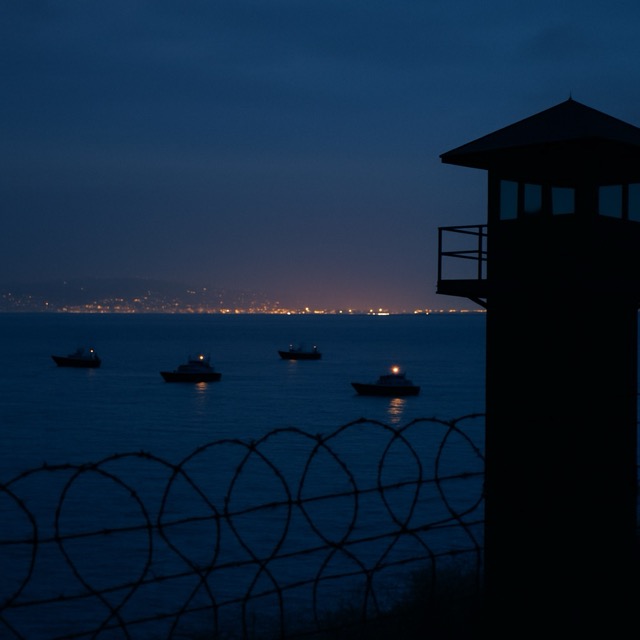
ROME / TEL AVIV — In the early hours of October 3, 2025, Israel completed its interception of the Global Sumud Flotilla, a 42‑boat mission that set out to challenge the maritime blockade of Gaza and deliver humanitarian aid. By day’s end, four Italian parliamentarians detained during the operation — Senator Marco Croatti (M5S), MP Arturo Scotto (Partito Democratico), and Members of the European Parliament Annalisa Corrado (PD) and Benedetta Scuderi (Greens) — had been expelled and were back in Rome. Hundreds of other passengers, including dozens of Italians, remained in Israeli custody pending deportation proceedings.
The rapid repatriation of the lawmakers set off a fierce debate in Italy and beyond. Supporters called their removal a necessary consular step to restore parliamentary immunity and enable them to advocate for those still detained. Critics accused them of “fleeing” while compatriots — activists, medics and journalists — were transferred to facilities in Israel’s south, including the Saharonim prison complex in the Negev desert. The dispute crystallized a broader European argument over protest tactics, humanitarian convoys, and the limits of civil disobedience when it collides with state security doctrines.
Israeli authorities said the flotilla’s vessels, which departed from multiple Mediterranean ports, entered a zone under a long‑standing naval blockade. Officials described the interceptions as routine enforcement, emphasizing that participants would be processed under immigration law and deported rather than prosecuted. Organizers countered that several boats were boarded in international waters, and that excessive force and degrading treatment were reported by passengers.
By Friday afternoon, the four Italian lawmakers landed at Rome’s Fiumicino airport to a scene that was part homecoming, part press scrum. They appeared tired but largely unharmed. “We had a very difficult night; now we must bring everyone home,” Croatti said. The Italian Foreign Ministry confirmed it had pressed for their immediate release; opposition leaders praised the lawmakers for joining the mission, while government officials insisted that consular priorities included securing the swift return of all Italian nationals — parliamentarians or not.
The numbers remained fluid. Israel said hundreds of passengers from more than two dozen countries were in custody and in the process of deportation. Rights groups and several media outlets cited figures ranging from more than 440 detained to at least 470, with large contingents from Turkey, Malaysia and Indonesia. Spanish radio reported that 473 detainees had been moved to Saharonim, a facility historically used for migration‑related detentions and security cases. Italy’s foreign ministry said around 40 Italians were initially held, though the tally shifted as nationals were processed and transferred.
At the operational level, the navy’s final interception focused on a small Polish‑flagged vessel, the Marinette, which organizers said had set off late and, aided by a window of calmer seas, advanced closer to Gaza’s coastline than any unauthorized boat since the blockade began in 2009. A separate vessel, the Mikeno, was reported to have approached within single‑digit nautical miles before contact was lost, a detail Israeli officials did not confirm. By evening, the military declared the mission neutralized.
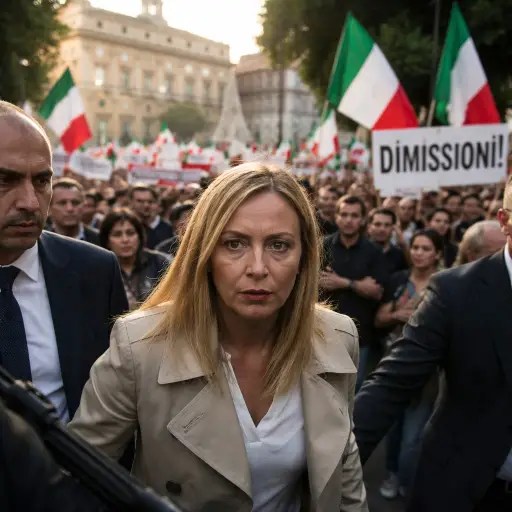
As news of the detentions spread, Italy was swept by a day of strikes and demonstrations. Unions claimed participation in the millions; transport slowdowns and campus walkouts rippled across the peninsula. In several cities, marchers framed the lawmakers’ expulsion as proof that diplomatic pressure works — and demanded equal urgency for ordinary citizens still inside Israel’s detention system. Government ministers countered that the priority was to secure orderly deportations and avoid drawn‑out legal limbo for foreigners arrested at sea.
Inside Israel, police and immigration authorities began standard procedures: confirming identities, offering consular access, and presenting detainees with forms to accept expedited removal. Those who refuse deportation typically face longer detention while contesting their cases. Human rights lawyers working with the flotilla said some detainees launched a hunger strike soon after arrest and alleged that handcuffing and prolonged kneeling were used during transfers. Israel’s Foreign Ministry said all detainees were safe and in good health and that it intended to complete removals as quickly as possible.
For Italy’s political class, the episode arrived at an already heated moment. Prime Minister Giorgia Meloni’s government has tried to balance an Atlanticist posture with growing domestic unease over the war in Gaza. The presence of sitting lawmakers on the flotilla blurred party lines: Croatti hails from the populist Five Star Movement; Scotto and Corrado from the center‑left Democratic Party; Scuderi from Europe’s Greens. Their joint appearance on the convoy created an unusual tableau of cross‑party activism — and raised hard questions back home about what elected officials can responsibly risk in high‑tension theaters.
Legal scholars in Rome noted that the four did not claim parliamentary immunity to resist deportation; nor, according to people familiar with the matter, did Italian diplomats seek preferential treatment beyond the standard consular requests. “Once the Israelis made a determination to expel, it would have been performative — and perhaps counterproductive — for them to insist on remaining in custody,” said one former ambassador. “The test is what they do next to assist their compatriots.”
That next phase is already underway. Italian diplomats worked with European counterparts and Israeli authorities to bundle deportations on charter flights expected across the weekend, including routes coordinated via Istanbul, London and Madrid. Families of detainees gathered in airports and WhatsApp groups, trading updates as names trickled out of holding facilities. Lawyers compiled affidavits on alleged mistreatment and pressed for independent medical checks upon arrival.
For flotilla organizers, the brief return of the parliamentarians cut both ways. On one hand, their rapid release spotlighted the larger cohort still detained. On the other, the optics of elected officials stepping off a plane to applause while lesser‑known activists remained behind fed accusations — not always fair, often partisan — that authorities prioritize political profiles over humanitarian volunteers. The lawmakers, for their part, insisted that their work had only begun. “Our thoughts are with those still there,” Scotto said, pledging to “use every institutional channel” to accelerate returns.
The legality of attempts to breach the Gaza maritime blockade will remain contested. Israel cites security imperatives and past weapons smuggling to justify interdictions far from shore. Activists point to international humanitarian law and the need to break what they call a siege depriving civilians of medical supplies and food. Even among sympathetic European publics, the strategy of flotillas has always been divisive: powerful as spectacle, limited in practical relief, risky for participants, and almost certain to end in detention or deportation.
What is not contested is the human churn that follows each interception: the interviews, the holding cells, the hurried phone calls, the choice thrust on detainees to sign deportation papers or brace for months of hearings. In that churn are Italian doctors who say they boarded out of professional duty, students who saw a rite of passage in civil disobedience, and journalists who argue that witnessing is its own form of aid. Their stories — and any allegations of abuse — will likely surface as they disembark and speak freely.
Back in Rome, the four parliamentarians face a paradox familiar to public figures who step into activist roles. Their presence amplified the mission and perhaps hastened their own release. Whether it will shorten the ordeal for those left behind is less clear. In the days ahead, their influence will be measured less by what they endured at sea than by what they can negotiate on land: pressure for due process, medical access, swift deportations for those who choose it, and robust documentation for those alleging mistreatment.
The flotilla’s afterlife will unfold on multiple fronts — consular, legal, political. A second convoy, launched from Italian waters, is already en route, underscoring that even decisive interdictions do not close the book. For families refreshing flight trackers and watching livestreams from airport arrival halls, the debate over tactics and optics recedes behind a simpler hope: to count their loved ones among the next to step through the sliding doors.
For now, the image that lingers is the split‑screen of a movement: on one side, lawmakers whisked through passport control into waiting arms; on the other, compatriots staring at fluorescent ceilings in a desert detention center, their fate determined by signatures on forms and the velocity of international diplomacy.


 The Tower Post