
EU imports of Chinese clothing and textiles jumped 20% in H1 2025, raising dumping alarms and putting policymakers on the spot
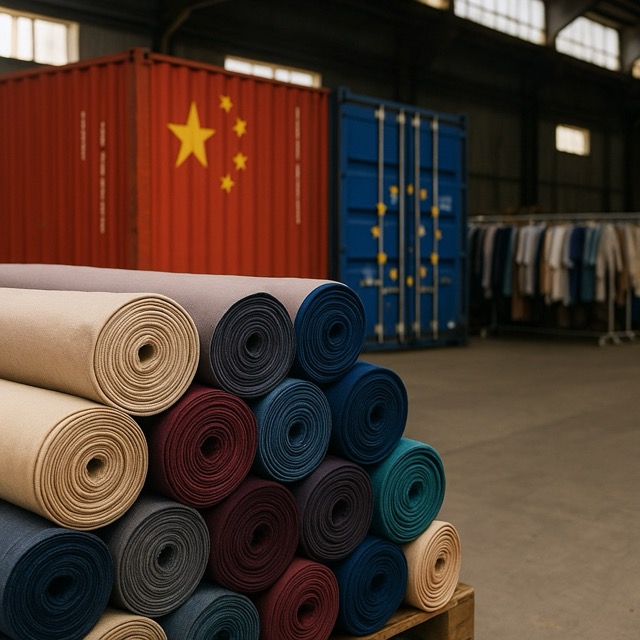
China’s textile and apparel shipments have found a new home: Europe. With the United States tightening the screws on Chinese imports through steep tariffs and the shutoff of its long-standing de minimis duty exemption for low‑value parcels, Chinese manufacturers are diverting goods to the European Union. The results are already visible. According to industry data cited by trade groups and analysts, the EU’s imports of Chinese clothing and textiles rose by about 20% in both value and volume in the first half of 2025 compared with a year earlier—a rapid swing that is reshaping the competitive landscape for Europe’s fashion and home‑textile producers.
The shift is the latest ripple from the re‑escalation of U.S.–China trade tensions in 2025. Washington first removed duty‑free treatment for small parcels from China and Hong Kong in the spring, then ended the $800 de minimis exemption for all countries on August 29. For a transition period, importers can opt to pay flat per‑parcel duties while systems adapt, but the effect is the same for Chinese fast‑fashion and household brands: the American market has become more expensive and administratively cumbersome. As volumes to the U.S. stuttered, exporters redirected finished garments, fabrics and yarns to the EU—where, for now, a €150 duty‑free threshold for small packages remains in place, and where customs rules for direct‑to‑consumer parcels are generally lighter than America’s.
European mill owners and apparel makers say the influx is unmistakable. In key countries with dense clusters of small and mid‑sized firms—Italy, Portugal, Spain, France and parts of Eastern Europe—producers report mounting price pressure and shrinking order books. Some describe losing contracts to importers offering Chinese‑made basics at prices that local factories cannot match while energy, wage and compliance costs in Europe remain elevated. A French knitwear manufacturer put it bluntly at a recent trade fair: “When a container lands at a unit price we cannot buy yarn for, the conversation with buyers ends before it begins.”
Trade associations warn that what looks like a cyclical swing could harden into a structural change if policy lags reality. They argue that Europe risks becoming a release valve for redirected Chinese supply—especially in fast‑fashion segments where speed, volume and price outweigh brand equity. Parallel to the surge in bulk shipments, ultra‑fast fashion platforms shipping millions of small parcels each day are capturing market share across the continent. By exploiting the parcel de minimis, critics say, the platforms can undercut brick‑and‑mortar retailers and compliant EU producers while avoiding many of the checks that catch counterfeits, unsafe items or products made in breach of labor and environmental standards.
That has sharpened fears of dumping—selling goods below fair value to seize market share. A number of EU industries have already faced an uptick in trade‑defense investigations targeting Chinese exports in 2024–25, and textiles could be next if pricing trends persist. National governments are pressuring Brussels to respond faster, drawing parallels with the bloc’s ongoing probes in sectors from electric vehicles to certain metals. Textile federations across the EU have called for tougher and more uniform customs enforcement, better digital tracking of parcels, and the gradual removal of the €150 duty‑free threshold that they say distorts competition.
Policymakers, for their part, are trying to balance affordability for consumers against the health of a strategically significant manufacturing base. Europe’s textile and clothing sector counts more than a million jobs and a long supply chain of spinners, weavers, finishers, dyers, garment makers and logistics providers. It is also one of the most exposed to swings in energy prices and inflation. Finance ministries worry that sudden tariff moves could fuel price spikes for basic apparel, but they also recognize that prolonged import surges can wipe out domestic capacity just as the bloc is asking industry to decarbonize and adopt stricter due‑diligence rules.
The current debate in Brussels therefore centers on sequencing and enforcement. One strand involves closing loopholes in parcel trade: introducing modest per‑parcel fees to fund inspections; applying VAT consistently at the point of sale; and requiring more granular data from platforms and postal operators so that risky shipments can be flagged in real time. Another strand is classic trade defense: fast‑tracking anti‑dumping and anti‑subsidy probes where evidence warrants, and deploying safeguards if imports of particular product categories surge beyond historical norms.Retailers and brands, meanwhile, are hedging their bets. Some are deepening sourcing relationships in Bangladesh, Turkey and North Africa to diversify away from China while preserving cost competitiveness and short lead times. Others are leaning into nearshoring within the EU, especially for premium and quick‑turn items. Logistics teams report that shipping lanes into major European ports are growing busier with textile consignments originally destined for the U.S.—a further sign that redirection is in full swing.
For consumers, the near‑term picture is mixed. A flood of low‑priced imports tends to restrain inflation for apparel and home goods—welcome relief after two years of elevated living costs. But shoppers may see fewer ultra‑cheap direct‑from‑China parcels if the EU tightens its small‑package rules, and any future anti‑dumping duties would lift the floor on pricing. In the medium term, a more stable and diversified sourcing map—less reliant on any one country—would likely reduce the boom‑bust pattern now rippling through the market.
The wider macro story is one of trade diversion. When one large market raises barriers, flows bend toward the path of least resistance. The United States’ combination of higher tariffs and the end of de minimis has made it a tougher destination for Chinese apparel and textiles. Europe, with a sizeable consumer base and a still‑open small‑parcel regime, has absorbed much of the spillover. Unless EU rules converge with the U.S. approach—or Chinese exporters find other channels—the pressure on Europe’s mills and cut‑and‑sew shops is unlikely to abate.
What to watch next: First, whether the European Commission proposes changes to the €150 de minimis threshold and scales up parcel screening in 2026 rather than later. Second, import data through the fourth quarter of 2025—especially for categories like knit tops, denim, home textiles and technical fabrics—will show if the 20% H1 jump is accelerating or stabilizing. Third, any new EU trade‑defense cases alleging dumping in specific product lines. And finally, the sourcing moves of Europe’s biggest retailers, whose purchase orders will signal whether redirection from China is a temporary detour or a lasting realignment.
For Europe’s textile heartlands, the stakes are high. If the EU can curb abuses in small‑parcel trade, enforce fair‑pricing rules, and support investment in cleaner, more automated production at home, the sector can remain competitive while offering consumers choice. If not, 2025 may be remembered as the year when redirected supply reshaped the market—one flash sale at a time.




 The Tower Post