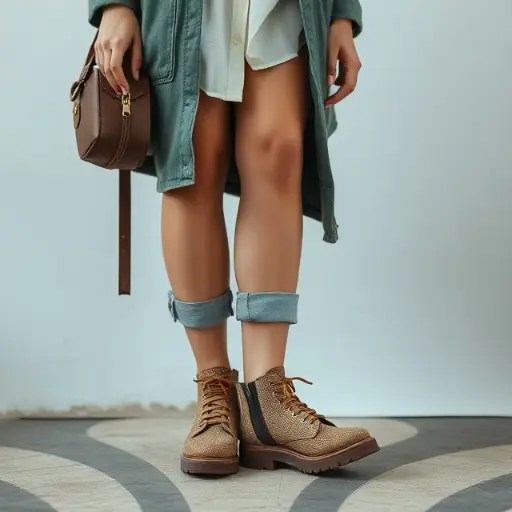
How Scarcity Shapes Style, Even When Circumstances Improve
In a world where fashion often speaks volumes about identity and status, there are certain choices that reveal more than just taste—they expose the psychological echoes of a past marked by scarcity. For those who grew up in financially constrained environments, the impact of that experience lingers in subtle, often unexpected ways, shaping how they dress, shop, and even perceive their place in the world.
Author Jim Botten, who has navigated both worlds of poverty and affluence, highlights how the fashion choices of those with a history of financial hardship can be revealing, not necessarily in how they look, but in the motivations behind them. From the over correction of designer logos to the all-or-nothing approach to sales, these habits are not about vanity but about validation, security, and the lingering fear of scarcity.
The relationship with clothing becomes deeply ingrained, often leading to a “forever wardrobe” mentality, where every purchase is an investment in longevity rather than style. This mindset can result in buying clothes two sizes too big, avoiding trends in favor of timeless basics, and constantly evaluating whether an outfit can be worn for multiple occasions. The result is often a wardrobe that is practical but joyless, filled with safe choices and conservative colors.
The anxiety of repeating outfits is another hallmark of this experience. Growing up with limited options often leads to a hyperawareness of wear patterns and the social implications of repetition. Even with a full closet, the fear of being discovered—of someone realizing that beneath the professional exterior lies a past where choice was a luxury—can be overwhelming. This pressure is compounded by social media, which creates a permanent record of every outfit, making the fear of repetition even more pronounced.
Overbuying of basics is another common trait. People who grew up in poverty often find themselves buying more than enough white undershirts, socks, and other essentials, not out of excess but as a form of insurance against the fear of running out. This behavior can prevent them from investing in higher-quality items, trapping them in a cycle of replacement rather than long-term value.
The inability to dress for the weather is also a lingering effect of growing up poor. Many people who experienced limited access to seasonal clothing continue to struggle with adapting their wardrobes to the actual weather conditions they live in, often out of habit or a sense of frugality.
Even when financial stability is achieved, these patterns persist, sometimes creating new challenges. The fear of not being prepared for any occasion can lead to overcompensation, while the mental math of saving can turn into a trap, causing unnecessary spending.
Ultimately, these hidden fashion habits are more than just personal quirks—they are the silent markers of a past that continues to influence the present, revealing the psychological imprint of scarcity in ways that go far beyond aesthetics. They speak to the resilience, resourcefulness, and deep-seated need for security that shaped those who grew up with less, and how that legacy continues to shape their choices long after their bank accounts have changed.

 The Tower Post