A Review of Apple’s Thinnest iPhone and Its Trade-offs
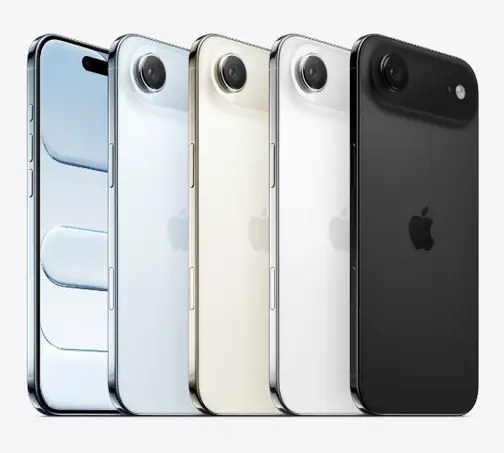
After using the iPhone Air for the past 10 days, it’s clear that Apple has achieved something remarkable with its thinnest iPhone to date, measuring just 5.64 millimeters. The device is so light and slim that it feels almost weightless in the hand, creating a stark contrast to the heavier iPhone 15 Pro Max that the reviewer has used for over 18 months. The iPhone Air is not small in screen size, featuring a 6.5-inch display, but its slim profile makes it easier to hold and carry, though it may not significantly improve one-handed operation for users with large screens. The phone’s lightweight design also makes it easy to carry in a pocket, a feature that could be a game-changer for those who find larger phones cumbersome.
Despite its slim build, the iPhone Air is surprisingly sturdy. It survived a fall from a bedside table and even withstood being sat on without any damage. However, the phone’s battery life has been a point of concern, especially during intensive tasks like gaming or video streaming, which can cause the device to heat up. Apple’s MagSafe battery pack is recommended for users who need extended usage throughout the day. The reviewer notes that the iPhone Air’s battery is sufficient for tasks like making calls, watching videos, and scrolling through social media while connected to Wi-Fi, but it may not last through a full day of heavy use without additional charging. The reviewer also mentions that the battery will deplete over time, which might be a concern for users planning to keep the phone for more than a year or two.
The iPhone Air’s camera setup, featuring a single 48-megapixel lens with an f/1.6 aperture, is a notable compromise. While it performs well in most lighting conditions, it lacks a telephoto lens and a wide-angle lens, which could be a drawback for photography enthusiasts. The 26-millimeter focal length camera has sensor shift stabilization, which helps in capturing good images in most lighting conditions. However, the absence of a telephoto lens means users will have to rely on a 2x crop from the main sensor, which may not be ideal for capturing detailed shots of pets or objects from a distance. The front-facing camera has been upgraded to an 18-megapixel sensor, allowing for more flexible selfie-taking in different formats without the need to hold the phone in landscape mode. The new Center Stage feature automatically adjusts the aspect ratio when more people are in the frame, but users can also manually control the zoom and orientation.
Apple has also introduced a new feature that allows users to shoot videos using feeds from both the front and back cameras simultaneously, a useful tool for content creators. However, the reviewer admits to rarely using the dedicated camera control button, which is still present on the device.
The iPhone Air also has a single speaker, as Apple was unable to accommodate dual speakers in the design. This means that users will hear sound only from the speaker atop the screen when using the device for gaming, listening to music, or taking calls. While the reviewer personally uses AirPods most of the time, they did miss having dual speakers while watching a video without the earbuds.
Ultimately, the iPhone Air is a phone that prioritizes aesthetics and portability over practicality. It may not be the best choice for those who need long battery life or advanced camera features, but for users who value a sleek design and lightweight feel, the iPhone Air offers a unique experience that is hard to ignore. With its minimalist design and focus on form over function, the iPhone Air is more than just a phone—it’s a statement. It fills the fourth slot in Apple’s four iPhone lineup, previously occupied by the iPhone Mini and Plus, and it aims to appeal to users who prioritize style and convenience over traditional smartphone features.




 The Tower Post