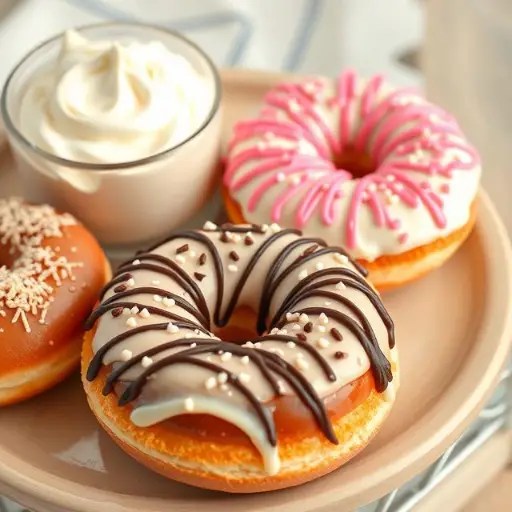
As Dessert-Scented Fragrances Rise in Popularity, Reactions Remain Divided

A growing trend in personal care has sparked both fascination and confusion: fragrances that smell like desserts. From caramel swirls to confetti cakes, brands are increasingly launching products that evoke the scent of baked goods, drawing a line between sensory indulgence and questionable appropriateness in public spaces.
Paul and Anthony Fino, two men who recently found themselves the subject of curious reactions in a Las Vegas mall, were wearing a fragrance called Caramel Swirl. The scent, reminiscent of Mrs. Butterworth’s syrup, drew comments ranging from confusion to outright disapproval. “How can you handle smelling like that?” one shopper asked Anthony. The experience made them realize that while dessert-scented products might be a hit for some, they might not be the best choice for every occasion.
Dove, Native, Bath & Body Works, and others have all jumped on the gourmand fragrance bandwagon, partnering with bakeries and dessert chains to create scents like Vanilla Sprinkle deodorants, Blueberry Cobbler lotions, and Birthday Cake body sprays. Natalia Lebedev, Native’s chief fragrance officer, says the trend is at its peak, driven by consumers seeking sensory experiences that evoke nostalgia and comfort. The appeal, she says, lies in the emotional connection people have with food-related memories.
But not everyone is on board. Lynn Altman, owner of a brand innovation agency, prefers to keep her sweets and scents separate. “I’m skipping the Strawberry Frosted pits,” she said, referring to one of Native’s deodorant scents. “I prefer to keep my sweats and sweets apart.” For her, a shower is a chance to cleanse the day’s odors—not to emerge with the smell of a freshly baked doughnut.
Despite the polarizing reactions, brands see the controversy as part of the fun. Harry Slatkin, a fragrance industry veteran and founder of HomeWorx, has created scents like “Hot Cider Donut” to evoke personal memories and sensory nostalgia. His next project, a candle for White Castle, promises to smell like a slider—complete with pickles, onions, and ketchup. “If I were burning that candle right now, and I did not have a cheeseburger at the ready, I am letting you know now that it would be a very big issue,” he said.
For Paul Fino, the love of sweet scents began in childhood, and he has since converted his partner, Anthony, into a fellow fan. Together, they now test and debate every new fragrance, turning their home into a sensory lab with different scents for every time of day. Their experience reflects a broader cultural divide: while some find these fragrances comforting and nostalgic, others find them overwhelming and inappropriate for public life.
The trend also reflects a broader shift in the fragrance industry toward experiential and emotional branding. Companies are increasingly leveraging nostalgia, comfort, and sensory memory to create products that resonate on a deeper level. However, the debate over whether these scents are appropriate for all settings continues to grow, with some questioning the practicality of wearing a dessert-scented fragrance to a business meeting or a gym.
As the market continues to evolve, it remains to be seen whether these dessert-scented fragrances will become a lasting trend or fade into the background of a more traditional fragrance landscape. For now, they remain a divisive but undeniably intriguing part of the personal care world.




 The Tower Post