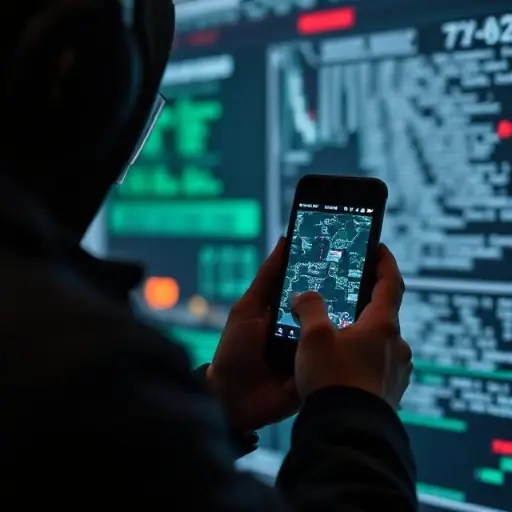
Federal Agency Pays Over $1.6 Million for Surveillance Technology Used in Deportation Efforts
U.S. Immigration and Customs Enforcement (ICE) has paid over $1.6 million to TechOps Specialty Vehicles (TOSV), a Maryland-based company, for cell-site simulator vehicles used in law enforcement operations. According to public records, the first contract, signed in May 2025, was for additional CSS (Cell Site Simulator) vehicles to support the Homeland Security Technical Operations program. A similar contract was signed with ICE in September 2024 for $818,000, indicating a long-standing relationship that predates the Trump administration.
TOSV president Jon Brianas confirmed that the company integrates cell-site simulators into its vehicles but does not manufacture the technology itself. He declined to specify the sources of the simulators, citing trade secrets. These devices, also known as “stingrays” or IMSI catchers, mimic cellphone towers to track nearby phones, enabling law enforcement to pinpoint locations and intercept communications. Some models can even capture calls, texts, and internet traffic, raising serious privacy concerns.
ICE has a documented history of using cell-site simulators, with deployments recorded as far back as 2013. According to documents obtained by the American Civil Liberties Union (ACLU), ICE deployed these devices at least 466 times between 2017 and 2019. Earlier records from BuzzFeed News show that the agency used them more than 1,885 times between 2013 and 2017. However, ICE has not provided detailed information on recent deployments or whether warrants are obtained for their use.
The use of these devices has been controversial due to privacy concerns and the lack of transparency surrounding their operation. Critics argue that the devices often ensnare innocent individuals by default, and law enforcement agencies are bound by strict non-disclosure agreements that prevent them from revealing how the technology works.
TOSV also provides a range of customized vehicles to law enforcement, including mobile forensic labs and surveillance vans. According to the company’s website, these vehicles are equipped for on-site forensic analysis, secure evidence storage, and mission coordination. However, there is no mention of cell-site simulators on TOSV’s website, leaving it unclear whether the same vehicles are used for surveillance operations.
In addition to its law enforcement contracts, TOSV sells specialized vehicles to other sectors, including “bookmobiles” for libraries, medical units, and fire department vehicles. This diverse portfolio highlights the company’s role in equipping various agencies with advanced, mobile solutions.
ICE has not responded to requests for comment on the use of these vehicles, including their specific applications, recent deployments, and compliance with legal requirements such as obtaining warrants. The lack of transparency continues to fuel concerns about the ethical and legal implications of using such surveillance technology in immigration enforcement.
Recent reports, including a search warrant unsealed by Forbes in early September 2025, revealed that ICE used a cell-site simulator to track down a person allegedly involved in a criminal gang. The individual had been ordered to leave the country in 2023, and the use of the device was part of a broader effort to locate and deport undocumented individuals. While the article did not name the company that provides the vehicles, it highlights the increasing use of such technology in immigration enforcement.
Cell-site simulators, originally developed by defense contractors like Harris (now L3Harris), have become a staple of modern law enforcement. Their ability to mimic cellphone towers allows them to collect data from multiple devices simultaneously, often without the knowledge or consent of users. This has raised significant concerns among civil liberties advocates, who argue that the use of these devices without proper oversight or judicial review violates constitutional protections.
As the debate over surveillance technology continues to grow, the role of companies like TOSV in supplying these tools to federal agencies remains a contentious issue. With no clear regulatory framework governing their use, the ethical and legal boundaries of such technology remain unclear, leaving both the public and lawmakers in a state of uncertainty.


 The Tower Post