
From ‘upgrade’ cons to SIM swaps, mobile networks roll out tougher checks and data‑sharing in a bid to stem device theft and account takeovers
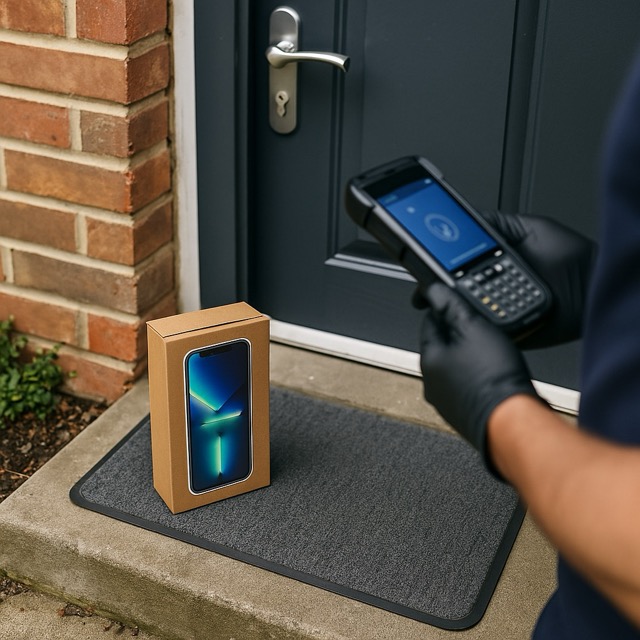
The UK’s mobile industry is confronting a sharp rise in handset fraud that has reshaped everything from how customers upgrade their phones to how networks ship devices. What was once a background cost of doing business has become a strategic threat: criminals are exploiting weak links in remote retail journeys, convincing people to authorise bogus “upgrades,” hijacking accounts with stolen passcodes, and rerouting high‑value smartphones into an increasingly globalised resale market.
Over the past year, networks have reported an escalation in what investigators call “remote purchase” or “mobile dealer” fraud—when criminals use pilfered credentials and social‑engineering scripts to place orders against real customer accounts, often posing as staff from the victim’s network or a well‑known retailer. The method is brutally simple: a call or message claims you’re eligible for a cheaper tariff or a free tablet; the fraudster harvests one‑time passcodes (OTPs) and personal details; a courier delivers the handset to an address the criminals control. By the time the legitimate customer notices, the device has been fenced and the account is in arrears.
At the same time, a parallel threat—SIM‑swap fraud—has surged as organised groups bribe or trick their way through number‑porting and replacement‑SIM processes. With control of a victim’s number, criminals intercept OTPs and reset logins across banking, email and cloud services, multiplying the financial harm well beyond the cost of the phone itself.
Why now? First, the handset pipeline has become more digital and faster. A new iPhone or flagship Android can be ordered in minutes and financed over 24 or 36 months, with next‑day delivery and generous cooling‑off rights. That convenience—celebrated by retailers and consumers alike—has also lowered the bar for exploitation. Second, a long tail of breached data fuels industrial‑scale identity attacks; bots and “OTP forwarding” kits make it easier to harvest codes from unwary customers. Third, global demand for nearly‑new devices, coupled with component shortages and inflationary pressures, has lifted the street value of stolen or fraudulently obtained phones, making the crime attractive to organised networks.
The cost is no longer marginal. Industry sources speak of hundreds of millions of pounds a year in losses across the ecosystem—networks, retailers, finance partners and insurers—before you count the time police and victims spend cleaning up the mess. City of London Police and regional forces have responded with targeted operations to seize shipments and close down mule addresses, but the enforcement challenge is significant: the scams are decentralised, quick to pivot, and often coordinated from overseas.
In 2025, telecoms companies have begun to tighten the screws. The first layer is identity. Expect more in‑store and doorstep checks to prove a device has reached the right person: secondary ID verification, selfies compared with photo ID, and live‑photo checks at the point of delivery. For higher‑risk orders—new customers, high‑value handsets, or multiple lines—some networks now insert a short “cooling‑off” delay before shipping, to give fraud teams time to run anomaly detection on addresses, IPs and device fingerprints.
The second layer is behaviour. Networks are building tripwires for unusual patterns: repeat orders within hours, upgrades placed from fresh devices or new IP geographies, deliveries redirected at the last minute, or applications that match known mule identities. Where the signals stack up, orders are paused and customers are contacted on a known‑good channel. Several operators say they have also throttled stock releases during launch weekends—when criminals try to hide in the retail surge—and shifted some fulfilment from drop‑ship partners to logistics flows they can audit more tightly.
The third layer is collaboration. The UK’s banks, tech platforms and telecoms firms have started to share fraud indicators in closer to real time—URLs of scam storefronts, mule delivery locations, suspicious payment tokens, and clusters of compromised numbers. While still maturing, these data‑sharing pilots are helping networks spot fraud one step earlier: before the box is even on the van. Coupled with stronger rules from the regulator on blocking spoofed international calls that masquerade as UK mobile numbers, the aim is to drive up the cost of social‑engineering at scale.
For consumers, the controls will be more visible in 2025 and beyond. You may be asked to record a short video, show a second form of ID, or confirm a delivery PIN with a courier. Phone‑number changes and SIM replacements might require in‑person verification or a lockout period. OTPs—still a mainstay of security—will be used more carefully: some networks are replacing vulnerable SMS flows with app‑based confirmations or hardware‑backed cryptographic prompts. And don’t be surprised if a “great” upgrade offer is paused until a fraud specialist speaks to you on a number you can check yourself.
Retailers are under pressure too. High‑street chains and online marketplaces that connect customers to multiple networks are tightening contracts with third‑party sellers, auditing call scripts, and narrowing the latitude for outbound sales that lean on pressure tactics. Several have increased their use of “device‑not‑present” risk scores—blending credit, identity and behavioural signals—and are experimenting with deposit or collection‑in‑store requirements for higher‑risk orders. Insurers, meanwhile, are re‑pricing policies that historically trusted onboarding checks, and are insisting on tamper‑proof proofs of possession such as live device diagnostics and IMEI attestations.
The legal backdrop is shifting. The government’s fraud strategy has pushed for stronger industry‑government coordination, while the online safety regime is forcing platforms to tackle scam content and fraudulent “deal” ads more aggressively. Police units dedicated to economic crime continue to target the worst actors, but prosecutions remain rare relative to volume. That gap reinforces a familiar message from networks: prevention has to do the heavy lifting.
Can the tide be turned? There is progress. Blocking spoofed caller IDs at the network edge has made some phishing campaigns more expensive. Real‑time sharing is helping to identify mule‑house clusters, which logistics partners can then watch for. And hardening upgrade journeys—especially by removing SMS OTP where possible—reduces the yield for adversaries. But fraudsters are adaptive. As SIM‑swap checks tighten, they pivot to account recovery through email compromises; as remote purchase tripwires improve, they experiment with in‑store pick‑ups using high‑quality fake documents and recruited “walk‑ins.”
For now, vigilance is the best defence. If an “agent” calls offering an upgrade, hang up and call your provider on a number from its official website. Never read out a one‑time passcode to a cold caller. If a phone you didn’t order arrives, contact your network immediately and treat the package as evidence. And if you’re changing numbers or swapping SIMs, ask what hold‑period and identity checks apply—and consider completing the process in store.
The UK’s mobile market has thrived on frictionless upgrades and doorstep convenience. The challenge for 2025 is to keep that ease for legitimate customers while turning handset fraud into a game criminals no longer want to play. That means layered defences, patient logistics, and a willingness to say “not yet” when an order looks just a little too perfect. The worst‑kept secret in fraud prevention is also the hardest sell in consumer electronics: sometimes, slowing down is the smartest way to stay ahead.




 The Tower Post