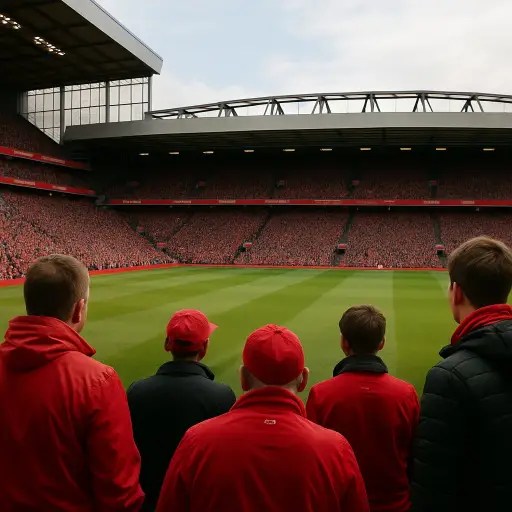
Top‑league clubs across the continent accelerate moves and negotiations ahead of the January window, signalling one of the busiest periods in recent memory.
Europe’s major football leagues are witnessing a surge of transfer‑market activity as clubs prepare for the second half of the season and position themselves for January 2026 business. Despite the summer windows being closed, deal discussions, pre‑contracts and lock‑ins are picking up pace — and the ripple effects are already being felt across the continent.
Big names, big ambitions
Some marquee movements are already set in motion or being teased in the rumour mill. For instance, the German international prodigy Florian Wirtz made a blockbuster move to Liverpool FC in June 2025 for a reported club‑record fee, establishing a new benchmark for deals involving young talent. Meanwhile, reports indicate that Bayern Munich are actively pursuing Marc Guéhi of Crystal Palace, with the England international defender’s contract situation attracting the interest of several top clubs.
Autumn momentum
Traditionally less busy than the summer window, the October‑November period is gaining traction as clubs look to set deals early or secure advantages before competitors. Analysts note that market momentum remains high. For example, one market‑tracking service observed “transfer activity remains vibrant during October 2025, with several high‑profile negotiations ongoing.”
In the Premier League, the west London club Chelsea FC — despite injury concerns in defence — decided against signing a new centre‑back this summer, according to noted transfer expert Fabrizio Romano. Romano confirmed the club’s choice was driven in part by the emergence of internal options and long‑term planning rather than short‑term fix‑ups.
Strategic ripples across Europe
In Germany, Bayern’s interest in Guéhi signals their intent to refresh the back line and anticipate the exits of veteran defenders. In England, Liverpool’s Wirtz move underlines the continued trend of Premier League clubs spending big to secure elite young talent before rivals can mount serious bids. In France and other leagues, lesser‑publicised but still significant deals are setting the tone: clubs are locking in prospects and using scouting networks earlier than in prior years.
The broader strategic shift is clear: clubs are no longer treating the summer window as the exclusive “big move” period. Pre‑contracts, early negotiations and signing of youth talents ahead of window openings are now part of the standard operating model.
What this means for January and beyond
With the January 2026 window approaching, several implications emerge:
- Clubs with weaker starts to the season will be under pressure to act early.
- Players in the final year of contracts will become hot commodities and clubs will need to make decisions — sell now or risk losing on a free.
- Mid‑tier clubs may increasingly become sellers in order to free up funds for reinvestment.
- Regulatory and legal disruptions are also in focus: the French National Union of Professional Footballers has joined a major class‑action against FIFA over transfer‑system constraints, highlighting underlying structural change.
The human dimension
Behind the headlines lie the players themselves, whose futures hang in the balance. Promising young stars eye big moves, seasoned players assess whether their contracts will be extended or if they’ll be moved on. Meanwhile, sporting directors and agencies are recalibrating their models to adapt to this emerging rhythm — less frenetic than deadline‑day craziness, but more constant and strategic than ever.
The transfer market as a barometer
In many ways, the transfer market serves as a barometer for club ambition, finances and long‑term vision. A flurry of early activity suggests that clubs are confident and are already planning well ahead. Slower or stagnant movement may hint at behind‑the‑scenes financial caution or strategy reset. In either case, observers will look at the next few months to gauge whether this early‑season momentum will translate into meaningful business or simply generate high‑profile rumours.
Looking ahead
As we move into the final part of the calendar year, the expectation is for two parallel flows:
- Confirmed early deals — clubs securing agreements ahead of the winter window to gain an edge.
- Building rumour cascades — names emerging, valuations rising, and clubs positioning themselves publicly to influence the market.
For fans and analysts alike, the next window promises to be one of the most watched in recent memory. The landscape has shifted: no longer confined to summer frenzy, the market is now active year‑round, and October 2025 may well be remembered as the moment the pattern changed.




 The Tower Post