
With the Netherlands heading to the polls on 29 October 2025, voters are torn between supporting Geert Wilders’s hard‑right agenda and turning to centrist rivals amid growing unrest over housing and security.
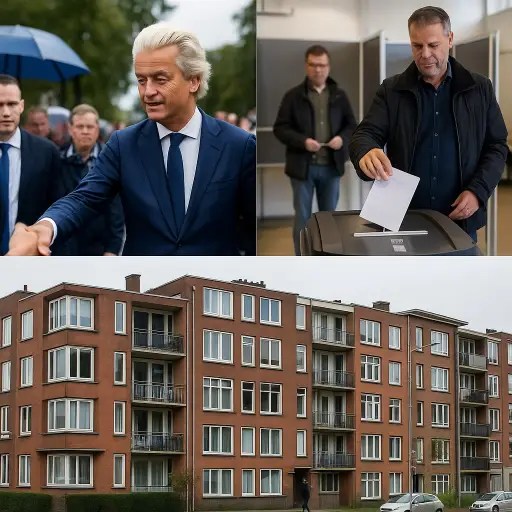
As the clock ticks down toward the 29 October 2025 general election in the Netherlands, the country finds itself at a critical juncture. The once‑stable Dutch political landscape is now rattled by the rise — and recent stumble — of Geert Wilders, the leader of the far‑right Party for Freedom (PVV). What once seemed like the ascendant path for his anti‑immigration, nationalist platform now faces new headwinds from voters more concerned with housing, security and governance than spectacle.
A government undone
The drama began in earnest in June 2025, when Wilders pulled his PVV out of the ruling four‑party coalition in protest at its failure to adopt his sweeping anti‑asylum and immigration proposals. That triggered the collapse of the government and forced the scheduling of a snap election for 29 October.
Wilders gambled that bringing the country back to the polls would let him recast the vote as a referendum on immigration and national identity. But the gamble is fracturing: the largest centre‑right party, People’s Party for Freedom and Democracy (VVD), has declared it will not enter government with Wilders again, citing lack of trust and governance concerns.
Polling optimism, but trouble forming a coalition
According to recent polls, Wilders’ PVV still leads but with a reduced margin. A survey in August showed the PVV projected to secure about 33 seats in the 150‑seat House of Representatives, ahead of a centre‑left Labour/Green alliance. Yet analysts caution: even if PVV wins the largest number of seats, its ability to build a governing coalition remains highly doubtful — especially with most major parties ruled out partnering with Wilders.
From immigration to housing in voters’ priorities
One of the striking shifts this election cycle is the mismatch between the issues Wilders emphasizes (immigration and asylum) and the issues voters say matter most (housing shortages, rising rents and public‑safety concerns). According to commentary in The Economist, voters are weary of “chaos” and want stable leadership rather than political theatre.
In a country with an estimated housing shortfall of some 400,000 homes, regulatory reform and investment in social housing are climbing up the agenda. Wilders has attempted to tie housing to immigration, arguing that Dutch citizens must have priority access to housing. That approach is bold, but may appeal less to a public more focused on kitchen‑table issues than constitutional identity debates.
Security, identity, and governance under scrutiny
Wilders’ platform remains unmistakable: a “total freeze” on asylum applications, stricter border controls (including army involvement), deportation of certain refugees, and the suspension of family reunification. These proposals remain controversial, both legally and politically.
Critics argue Wilders’ combative style and the collapse of his previous government make him a risky option. The Netherlands has long prided itself on consensus‑based politics; mistrust of “populist volatility” is evident among voters and rival politicians alike.
What the outcome might mean for Europe
The Dutch vote is more than a national showdown. Across Europe, far‑right and populist movements have been testing established centre‑to‑centre‑right governments. A return of Wilders to government could signal a further resurgence of hard‑right populism in the continent, emboldening similar parties in Germany, France and beyond. If, conversely, voters reject Wilders despite his polling lead, the Netherlands may serve as a cautionary example of populism’s limits.
Final days: a choice for the electorate
As campaigning enters its final week, messages from Wilders and his rivals are sharpening:
- Wilders is pressuring voters who prioritise change and who feel left behind by housing and immigration failures — urging them to vote for PVV as the only party “telling it like it is”.
- The centrist and centre‑left parties are framing themselves as the stable alternative: not radical on immigration, serious on housing and security, ready to govern rather than provoke.
- Many undecided voters may lean away from Wilders simply because even if he wins, his ability to form a government is uncertain — thus raising the spectre of another unstable administration.
In short: the Netherlands is weighing whether its appetite for a far‑right government under Geert Wilders remains intact — or whether the spectre of governance breakdown, housing crisis and social security concerns will cause voters to sit out his ascent.



 The Tower Post