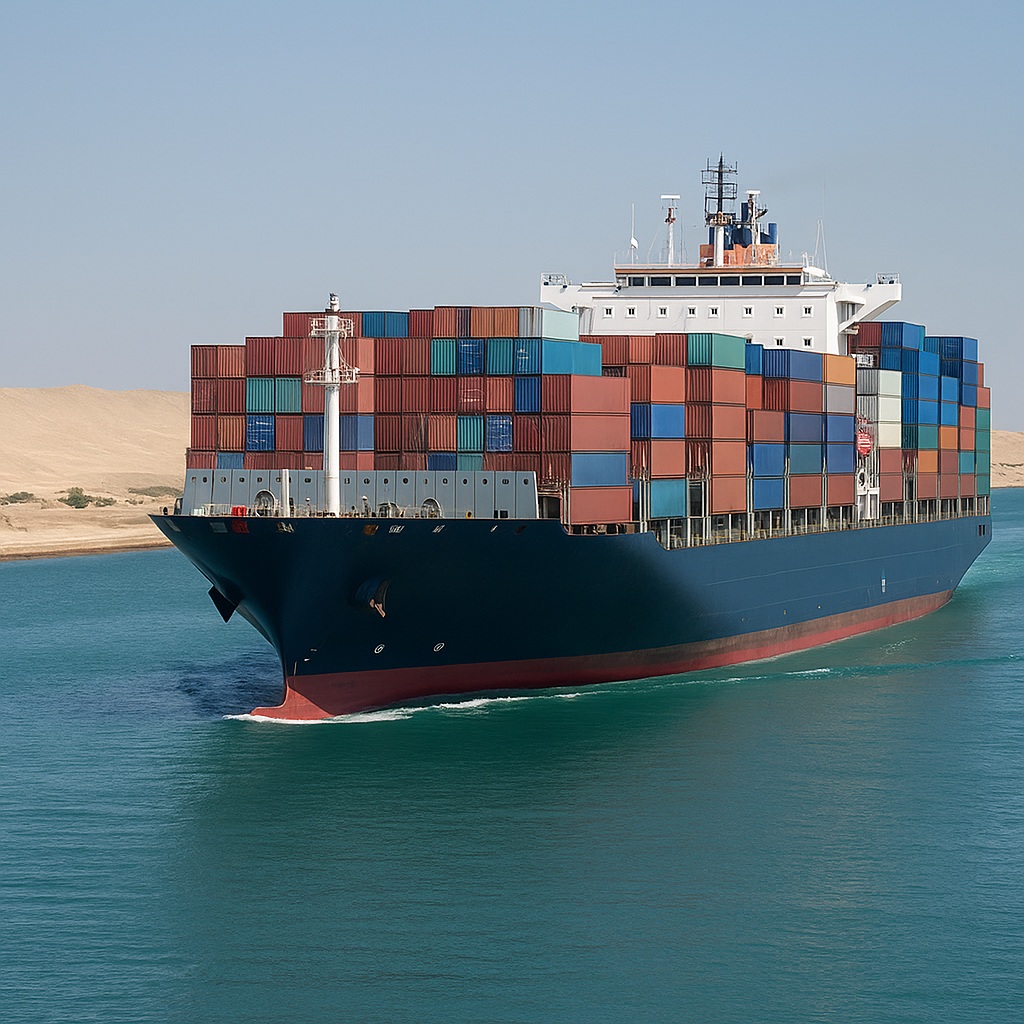
Instability in Cairo is spilling over into Brussels via rising inflationary pressures and disruptions of Suez‑Canal trade flows
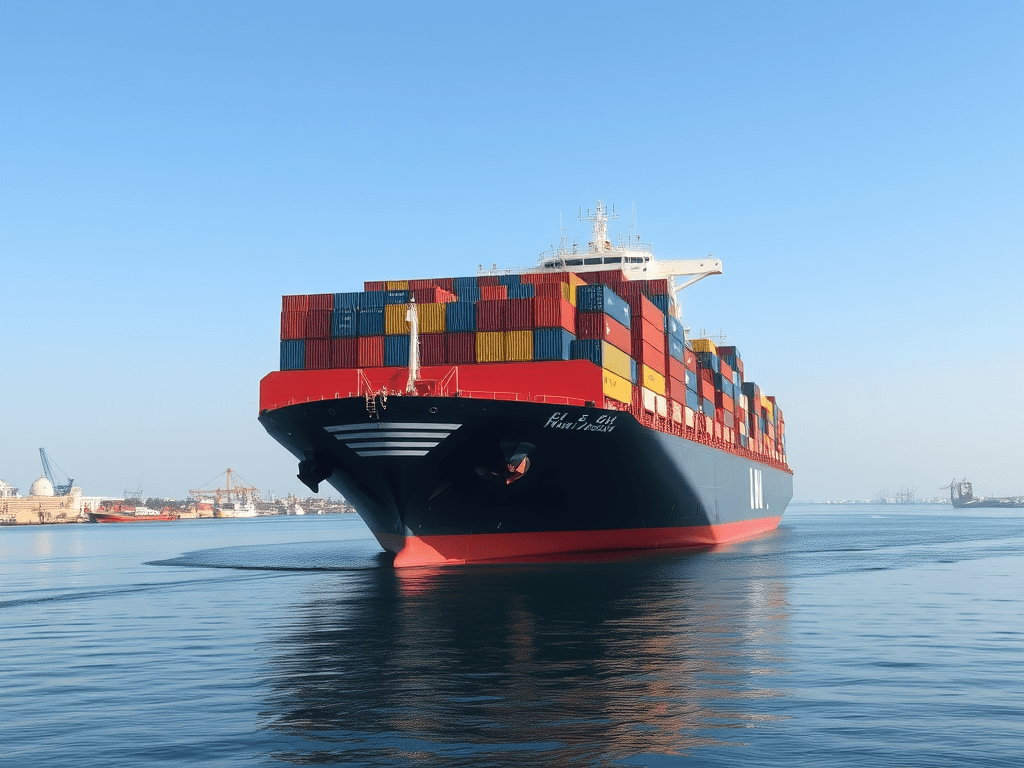
The economic tremors emanating from Egypt are increasingly being felt across Europe. Once viewed primarily as Cairo’s internal problem, Egypt’s mounting crisis is now emerging as a full‑fledged European business concern — with inflation, supply‑chain disruptions and strategic trade bottlenecks in the spotlight.
A strategic route under strain
The Suez Canal remains one of the world’s most critical maritime arteries, linking Europe with Asia and facilitating a substantial share of global container and bulk shipping. But disruptions in the region have caused traffic to decline precipitously and rerouting costs to surge. According to industry sources, Egypt’s canal‑revenue losses reached a monthly estimate of around US$ 800 million, as shipping companies opted to circumvent the Red Sea route and sail around Africa instead.
For Europe, the consequence is two‑fold: increased freight costs and longer transit times, which feed into higher prices for consumers. Analysts warn that the knock‑on effect on inflation in the euro‑area could become significant if the shipping bottlenecks persist.
Inflation pressures ripple into Europe
While Egypt is grappling with domestic inflation — which recently slipped to around 11.7% in September but still remains elevated — the concern in Europe is less about Egypt’s headline numbers and more about the secondary effects: higher import costs, supply‑chain delays and commodity price shocks.
Brussels officials have started factoring in the risk that disruptions emanating from North Africa and the Eastern Mediterranean may add a few tenths of a percentage point to inflation across the EU. With consumer‑price inflation already subdued in some member states, any additional upward push is under close watch.
Europe lifts its gaze to the Mediterranean
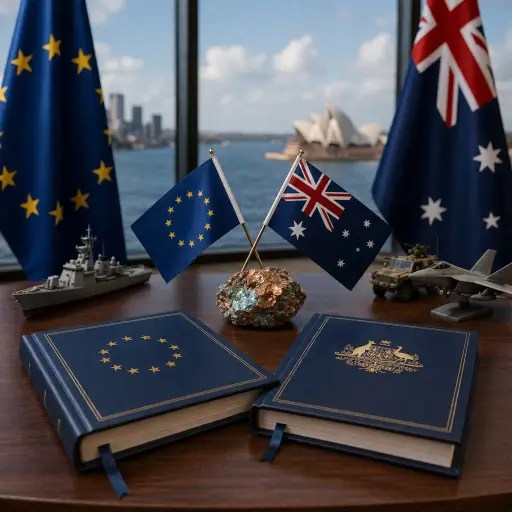
On 22 October 2025, the first ever summit between the European Union and Egypt was held in Brussels, signalling the bloc’s recognition of Cairo’s elevated strategic importance. The agenda ranged from migration and security to trade and macro‑financial assistance. While trade relations are central, the underlying impulse is clear: Europe now sees Egypt not just as a partner, but as a node of regional stability — or instability.
In that context, EU policymakers emphasised that safeguarding trade routes, especially via the Suez Canal and Red Sea corridor, has assumed heightened priority. “The future of our region is being rewritten before our eyes,” declared one EU official.
Cairo’s predicament compounds the urgency
Egypt’s economic condition amplifies the risk for Europe. The country once enjoyed robust incomes from the Suez Canal (over US$ 10 billion in 2023) but saw revenues collapse to roughly one‑third of that in 2024 amid shipping diversions and Red Sea attacks. The fall in foreign‑currency earnings, along with high debt and inflation, leaves Egypt vulnerable — and by extension, increasingly relevant for European markets and geopolitical planning.
While the International Monetary Fund and credit‑rating agencies note signs of improvement — falling inflation, stabilized reserves, and better growth projections — they caution that external shocks remain a major threat.
What Europe stands to lose
- Higher consumer prices: As freight and commodity costs rise, European consumers may face steeper prices for goods imported via the Suez route.
- Supply‑chain vulnerabilities: Longer transit times and rerouting affect just‑in‑time manufacturing and retail inventory across Europe.
- Geopolitical exposure: European reliance on the Mediterranean corridor ties its economic fortunes more tightly to regional stability than before.
- Financial risk: As Egypt’s economic health falters, European banks and investors with exposure may face deferred repayment or loss of earnings.
What Europe can do
Brussels is looking at multiple strategies:
- Diversifying shipping routes and encouraging alternative pipelines to reduce dependence on the Suez corridor.
- Enhancing maritime security cooperation in the Red Sea region, to shield trade flows from escalation of hostilities.
- Integrating macro‑financial support to Egypt with tied commitments on structural reform, helping bolster Egypt’s resilience — thereby mitigating spill‑over risk.
- Closer monitoring of inflation vectors tied to shipping and trade disruptions — embedding contingency plans in the EU’s inflation forecasts.
Outlook: A regional problem becomes a continental one
The situation in Egypt may be domestic in origin, but its reverberations are unmistakably European. From Brussels to Berlin, Madrid to Milan, policymakers are now accounting for the economic ripple‑effects of Cairo’s instability.
Europe’s reaction will matter. If Brussels maintains strategic engagement and trade‑flow safeguards, the worst could be mitigated. But a complacent stance that assumes MENA risks lie outside the EU’s domain would invite trouble. The Suez artery is not just Egypt’s. It is Europe’s. And when Egypt coughs, Europe might feel the fever.


 The Tower Post