
With days to spare before the global climate conference, European heads of state push for a binding decade‑long emissions reduction pact — but face industrial resistance and fragile consensus.
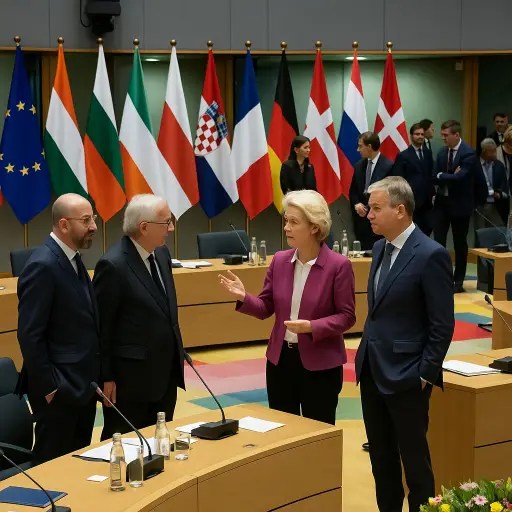
In the polished conference chamber of European Council in Brussels, high‑level negotiations intensified this week as European leaders pushed to finalise a 10‑year carbon‑emissions agreement ahead of next month’s global climate summit. Though billed as a historic step, the deal remains vulnerable to last‑minute reversals and demands from industry and national capitals alike.
At the heart of the effort is a proposed pact to cut greenhouse gas emissions across the European Union by a significant margin over the next decade, setting the region on a clearer pathway towards net‑zero by 2050. According to sources, leaders aim to agree on provisions that will cover 2026‑2036 as a package, with built‑in flexibility for revisions as technology and economics evolve.
Officials cited that EU leaders have “launched a final sprint” to agree on a decade‑long target, with one insider describing negotiations as “intense, yet brittle.”
Negotiating the decade ahead
The core objective is to anchor a carbon‑reduction roadmap that transcends the usual five‑year planning cycles. The draft deal under discussion would commit signatories to a collective emissions reduction target in the range of 66 % to 72 % by 2035 (from 1990 levels) and set the stage for a 2040 goal of around 90 %.
In doing so, the bloc intends to strengthen its negotiating hand for the upcoming COP30 climate conference, where it hopes to present a unified front and encourage other major emitters to follow suit. One EU official told Reuters that the agreement’s “value is also symbolic” — signalling Europe’s ambition and leadership in a time of global uncertainty.
Fault‑lines and domestic pressure
Behind the scenes, however, divisions persist. Several member states remain wary of committing to binding targets without stronger guarantees of economic support, competitiveness safeguards for heavy‑industry, and mechanisms to cushion the transition.
While green groups welcomed the ambition, they cautioned that a deal without sufficient detail and enforceability could amount to “commitment without clarity.”
Some of the key sticking points include:
- Industrial exemptions
- Carbon‑border adjustments and trade impacts
- Flexibility vs. credibility
Countdown to the UN summit
With the UN climate conference looming in November, the timing is tight. Member‑state representatives expect a political agreement in Brussels by early November, allowing time for formal ratification ahead of the summit. The draft agreement is expected to be presented publicly by mid‑November.
From the press gallery, the message is clear: European leaders see this as their last realistic chance to shape the agenda and reinforce their credibility as climate actors. One European Commission official remarked: “If we don’t show up in Brazil with a credible 10‑year deal, the world will assume Europe has back‑tracked.”
What’s at stake
If successful, the decade‑long pact could:
- Provide long‑term certainty for investors in renewables, grids and clean‑industry infrastructure.
- Strengthen Europe’s bargaining position in global climate diplomacy.
- Spur accelerated policy implementation in transport, buildings and heavy industry.
Yet risks remain. A diluted outcome could undermine the EU’s image and embolden sceptics. Economically, failure to protect vulnerable sectors or regions may provoke backlash. Socially, without clear transition planning, public support could shrink as costs mount.
Looking ahead
As leaders prepare to travel to the summit, the final days in Brussels will be crucial. Diplomats expect tense late‑night sessions, surprise amendments, and possible last‑minute concessions. Observers will watch whether the deal emerging is both ambitious and implementable — or one that signals “more to come” without delivering solid commitments.
In the words of one official: “Ambition is good, but only if we can follow it with action. A 10‑year deal means nothing if it evaporates in year three.”
 The Tower Post