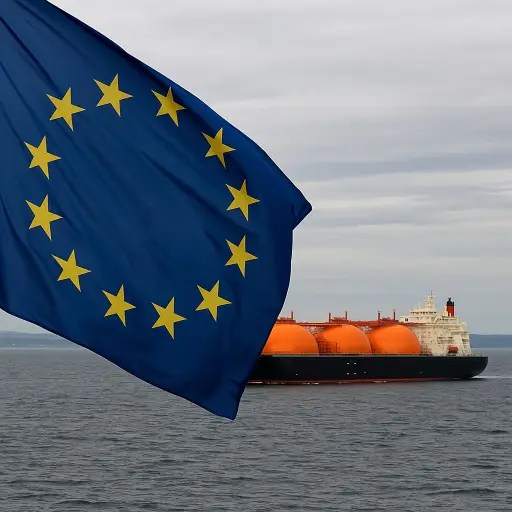
With a total ban on Russian LNG by 2027 and sweeping measures on energy, banking and cyber‑entities, the EU signals sharpened resolve in the international arena

In a decisive move on 23 October 2025, the European Union formally adopted its 19th package of sanctions against Russia, and for the first time, parallel restrictive measures against Belarus, in response to Russia’s ongoing full‑scale war in Ukraine and Belarus’s support of it.
Crafted as a broad‑spectrum attack on the Kremlin’s war economy, the package targets energy, finance, transport, cyber, export‑control regimes and diplomatic privileges.
A Landmark in the Energy War
The standout feature of the new package is the announcement of a phased but total ban on Russian liquefied natural gas (LNG) imports into the EU. Under the terms, short‑term contracts will cease within six months, and all long‑term deals will be terminated by 1 January 2027.
Energy Commissioner Dan Jørgensen called the move “historic” — signalling that Europe is finally tackling the backbone of Russia’s gas leverage.
By targeting Russian LNG flows, the EU is extending its energy pressure beyond the pipeline gas interdictions which have characterised earlier sanctions. The shift comes at a time when Europe has been working furiously to wean off Russian fossil‑fuel dependence.
Beyond Energy: Financial, Cyber & Shadow Fleet Measures
The 19th package is comprehensive. It expands asset freezes and travel bans to dozens of individuals and entities linked to Russia’s war machine and Belarus’s enabling role.
Key elements include:
- New sanctions against Russian banks and five additional banks in Central Asia connected to sanctions‑evasion.
- Measures targeting crypto exchanges and payment‑systems used to circumvent Western financial controls.
- A further ban on over 100 vessels of Russia’s “shadow fleet”—tankers and other ships used to move oil and gas covertly.
- Restrictions on the movement of Russian diplomats across the EU, aimed at countering foreign‑information manipulation and interference.
- Enhanced export controls on dual‑use goods, electronic components, AI/hardware, chemicals and critical metals used in Russia’s military‑industrial base.
Belarus Comes into the Frame
For the first time in a major sanctions package, Belarus is explicitly included. The EU adopted mirror‑trade measures targeting Belarusian entities supporting the Russian war effort, as well as designating additional individuals for asset freezes and travel bans.
By doing so, Brussels sends a message that enabling roles outside Russia will not go unnoticed.
Timing and Political Overtones
The package was adopted just ahead of an EU summit in Brussels, where EU leaders met with Ukrainian President Volodymyr Zelenskyy.
Approval came only after the last hold‑out member state, Slovakia, lifted its veto. Slovakia’s concerns over energy security and industrial competitiveness had delayed approval.
Commission President Ursula von der Leyen stated that the EU’s war‑finance block will continue until the illegal aggression ends. “Every euro we deny Russia is one it cannot spend on war,” she said.
Implications for Europe and the World
For Europe: The LNG ban forces member states to accelerate diversification of gas supplies, invest in renewables, and shore up storage and infrastructure. It is a direct push toward energy sovereignty.
For Russia: The move strikes at a major revenue and strategic lifeline. LNG sales to Europe have remained significant even after pipeline flows dropped. The ban signals a shift in EU calculus—from sanctioning Russia’s past revenues to cutting off future ones.
For the Global Market: The shock of a full LNG embargo by 2027 may reverberate globally. Russia may attempt to redirect flows toward Asia, but the EU’s shadow‑fleet measures and banking/crypto blocks raise costs and logistical hurdles for Moscow.
For Ukraine: The package bolsters Ukraine’s negotiating position. Without the vast energy‑income that once flowed into Moscow’s coffers, Russia’s capacity to wage war and stabilise domestically is further compromised.
For Allies and Third Countries: The sanctions demonstrate the EU’s willingness to target third‑country enablers, including banks in Central Asia and entities in China and India. This raises the diplomatic stakes far beyond Europe.
Challenges and Next Steps
While substantial, the sanctions package faces obstacles. Member‑state energy dependencies, varying national industrial interests, and the resilience/adaptability of Russia’s finance‑and‑energy apparatus all pose risks. Moreover, enforcement will demand sustained tracking of the shadow fleet, financial flows and circumvention efforts.
Brussels has made clear this will not be the last package. The EU emphasises that sanctions are part of a broader pressure strategy, including defence, aid to Ukraine and industrial transition policies.
Outlook
As of Tuesday, Europe stands at a turning point: the 19th sanctions package marks not merely a continuation, but an escalation in the EU’s sanctions strategy. By targeting LNG imports for the first time, the bloc enters a new phase of energy‑geopolitics. The question now is whether Russia can adapt, and whether the EU can deliver on the infrastructure and solidarity needed to make the ban effective. The outcome may shape the war in Ukraine, Europe’s energy future and global geopolitical alignments for years to come.
 The Tower Post