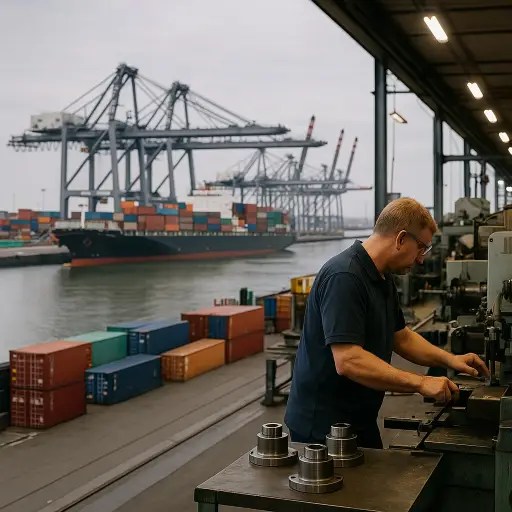
Despite resilience through multiple crises, Europe now faces a deceleration in growth, waning export strength and structural productivity shortfalls, warns the IMF.
As mid‑autumn settles across Europe, an unmistakable shift is unfolding beneath the surface of what appeared to be a resilient recovery. The International Monetary Fund (IMF) has released its latest regional assessment of the continent, offering a sober diagnosis: although Europe managed to avoid the worst of recent global storms, its growth momentum is now fading, export gains are reversing and the long‑standing productivity weakness is resurfacing with force.
A Recovery Less Robust than It Seems
Europe entered its post‑pandemic phase with cautious optimism: energy markets stabilised, supply‑chain headaches receded and fiscal buffers cushioned the blow. According to the IMF, the region “avoided a feared deep growth slump”, yet this relief masked a more worrying outcome: the growth trajectory remains significantly below the pre‑Covid trend.
However, that respite appears to be coming to an end. Growth is decelerating across major economies, and the export engine that helped pull Europe through its previous shocks is showing signs of sputtering. The IMF’s October 2025 regional report points to increasing global fragmentation, tariff pressure and waning external demand as key headwinds.
Export Setback: From Tailwind to Drag
Europe’s export sector had been riding high for several quarters, benefiting from global reopening and surging goods trade. But according to the IMF, that advantage is now reversing. The confluence of rising external protectionism, supply‑chain diversification and weaker global demand is eroding European manufacturers’ lead.
In the press briefing, the IMF emphasised how even large economies such as Italy are being hit by stagnating consumption, sluggish wage growth and export weakness — a trio that jeopardises the region’s ability to lift its growth ceiling.
Export momentum may no longer be a growth lever for Europe; it is increasingly part of the challenge.
Productivity: Europe’s Long‑Term Achilles’ Heel
The underlying structural issue behind Europe’s slow growth is unmistakable: productivity. Academic work and IMF research alike point to a persistent gap between Europe and its main global peers in harnessing productivity gains.
Europe’s firms — especially smaller ones — often face barriers to scaling, innovation and efficient resource allocation. The IMF document probing “Europe’s Productivity Weakness” finds weak firm dynamics and limited innovation diffusion to be key roots of the problem.
The consequence? Europe’s potential output growth has been drifting downwards, with productivity shortfalls accounting for more than half of the growth lost since earlier decades.
Why It Matters: Risks Rising, Opportunities Constricting
The deceleration in growth, the export reversal and the productivity drag form a toxic mix. The IMF warns that slower growth reduces fiscal scope, places upward pressure on debt ratios and limits the ability of governments to respond to future shocks.
Moreover, businesses in Europe may soon reassess investment and hiring decisions in light of weak external demand and ambiguous productivity prospects. The result could be a self‑reinforcing cycle of lower investment, slower firm‑dynamics and further productivity stagnation.
Policy‑makers must now navigate an environment where the “easy wins” of reopening and export rebound are gone — the remaining path to stronger growth is harder, more structural and politically charged.
Where to Play the Reform Game
The IMF report and related studies suggest several key avenues for Europe’s economy to regain momentum:
- Boosting innovation and intangible investment: Europe must raise R&D, intangible capital and digital‑asset deployment to close the productivity gap.
- Fueling firm dynamics: That means enabling smaller firms to grow, easing regulatory and financing frictions and fostering a more dynamic business‑environment.
- Sharpening export competitiveness: Given the export‑backdrop, European firms must deepen value‑chains, diversify markets and move up technology ladders rather than rely solely on volume.
- Strengthening fiscal and institutional buffers: With slower growth, governments must exercise diligence — manage debt, prioritise growth‑enabling investment and avoid short‑term stimulus that erodes long‑run productive capacity.
- Deepening integration: Both within the single market and within global trade‑links, integration remains key for productivity diffusion and scale‑effects.
Looking Ahead: A Turning Point or Temporary Pause?
The fundamental question for Europe now is whether the region is entering a new era of slower structural growth — or simply experiencing a temporary lull on its way back to higher momentum. The IMF’s tone suggests the former: without decisive structural reforms, Europe may settle into a lower‑growth equilibrium.
That means the coming years are pivotal. If Europe can factor in the output gap, raise productivity and reposition its export model, the next decade might offer a return path to moderate growth. If not, the region risks languishing in middling performance, with consequences for living standards, public finances and global competitiveness.
The Bottom Line
Europe’s economy weathered a formidable sequence of shocks — pandemic, energy crisis, war in Ukraine, inflation — and yet still avoided a deep collapse. But the signs are clear: the tailwinds driving recent growth are fading. The export surge is reversing, productivity remains stuck and the growth engine now needs fresh oil.
For Europe’s policy‑makers, business leaders and civil society, the challenge is urgent. The path ahead demands structural fixes, strategic investments and renewed focus — because the growth dividend is no longer automatic. In the words of the IMF, resilience has been preserved. But renewal? That is still to be secured.




 The Tower Post