
Brussels to galvanise European companies’ gas procurement in a bid to shrink dependence on Russian energy amid the Ukraine war’s drag and geopolitics of supply
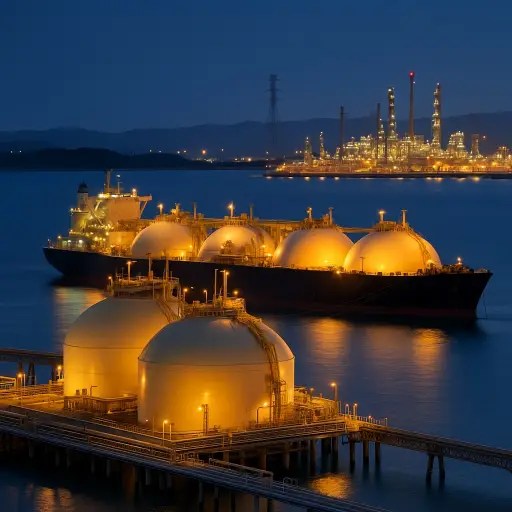
As the war in Ukraine continues into its fourth year and Europe’s energy security remains under strain, the European Commission (EC) is launching a new initiative: coordinating European companies’ demand for non-Russian natural gas. Announced in late October 2025, the strategy signals that Brussels is shifting from defensive diversification to proactive market shaping, using corporate procurement as a tool in its energy and war strategy.
The plan calls on companies across the 27-member bloc to signal their medium-term gas import needs to a centralised mechanism. The EC will bundle requests and negotiate collective supply contracts with non-Russian exporters and liquefied natural gas (LNG) suppliers. The aim is to reduce Europe’s exposure to Russian gas and improve bargaining power, while aligning energy imports with broader geopolitical goals, including limiting Moscow’s revenues.
A Shift in Strategy: From Diversion to Demand Aggregation
Until now, Europe’s approach to reducing dependence on Russian gas has focused mainly on supply-side diversification: building LNG terminals, opening new pipelines, and finding alternative exporters. Brussels officials admit that without coordinated demand, the market remains fragmented and smaller buyers are disadvantaged.
Under the new framework, companies will register their anticipated gas needs for the next three to five years, specifying non-Russian origins, contract terms, and delivery preferences. The EC will then aggregate this demand and issue tenders on behalf of participating firms. According to an EC spokesperson, “We aim to turn purchases into a strategic instrument of resilience.”
Why Now? The War, the Market, and Moscow’s Grip
Several factors drive the urgency. Russia’s war financing remains dependent on energy revenues, and gas exports continue to fund the Kremlin’s military efforts. Europe also faces potential disruptions from pipeline sabotage, transit blockages, and renewed price shocks. At the same time, global demand for LNG is rising, particularly in Asia, creating intense competition.
Pooling demand could shield European companies from volatile prices and strengthen their position in global negotiations. Large industrial users, especially in Central Europe, have welcomed the move, describing it as a long-overdue effort to level the playing field.
How It Will Work
Participating companies will use a secure EC platform to submit demand forecasts and contract preferences. The EC will consolidate this data into categories based on volume and issue invitations to tender to pre-approved suppliers from countries such as Qatar, the United States, Norway, Algeria, and Azerbaijan.
The process will comply with EU competition and transparency rules while maintaining commercial confidentiality. Participation is voluntary, allowing companies to pursue independent deals if desired. However, pooled contracts promise better pricing, reduced volatility, and strategic alignment with EU objectives.
Financial risks will be managed through guarantee instruments and supplier vetting. The mechanism will also link to other EU energy measures, including storage management, interconnector use, and emergency supply coordination.
Challenges and Resistance
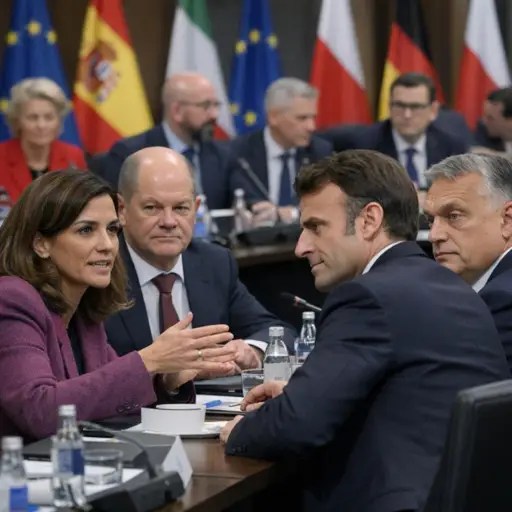
The plan faces obstacles. Some member states, notably Hungary and Slovakia, remain reliant on Russian gas and prioritise affordability over geopolitics. Certain companies with long-term contracts or specific industrial needs may hesitate to join, fearing reduced flexibility or bureaucratic delays.
Supply constraints persist despite Europe’s expanded LNG capacity. Shipping bottlenecks and regasification limits still pose challenges. Transitioning from Russian gas often requires infrastructure adaptation, adding cost and complexity.
Strategic Implications
If successful, the programme could transform Europe’s energy landscape by institutionalising its decoupling from Russian energy at the corporate level. Analysts say it could strengthen buyer alliances, promote more transparent markets, and weaken Russia’s influence over European energy systems.
From a broader strategic view, the move complements sanctions and economic pressure on Moscow, while stabilising supply and prices for European industries. It represents a coordinated approach to both energy security and geopolitical resilience.
Looking Ahead
Key indicators to watch include:
- The number of companies registering demand and total aggregated volume.
- The share of contracts awarded to non-Russian suppliers.
- Coordination between demand pooling and infrastructure projects.
- Participation of member states previously reliant on Russian gas.
- Responses from suppliers and possible countermeasures from Russia.
The European Commission’s new procurement plan marks a decisive shift in Europe’s energy and war strategy. By combining economic coordination with political resolve, the EU aims to secure energy independence while tightening the economic pressure on the Kremlin.


 The Tower Post