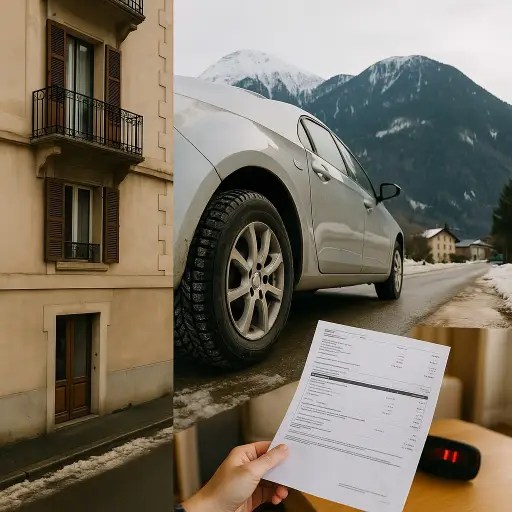
From the rent protection season start to mandatory winter tyres and adjusted energy‑bill timeframes, France’s November rollout highlights tensions around cost of living and regulatory burdens.
As November begins, residents and landlords across France are entering a period of regulatory change that connects housing, mobility and household energy costs. On the 1st of the month, a host of measures come into effect — the annual winter tenancy truce, new mandatory winter‑equipment rules for vehicles in mountain departments, and shifts in how off‑peak energy hours are defined. Local political actors are closely watching these measures, seeing them as a litmus test for broader cost‑of‑living pressures.
Rental protections: the winter pause begins
Every year from November through to March, the so‑called trêve hivernale comes into effect: landlords cannot enforce evictions of tenants for most reasons during this winter window. This year the pause starts on the 1st of November, creating relief for many tenants facing rental burdens and reinforcing protections in France’s long‑term rental framework.
While intended as social protection, the measure also raises questions among landlords about income stability and how they can manage unpaid rents. Some local politicians and property owner associations characterise the truce as an additional regulatory burden. At the same time, tenant‑advocacy groups underscore its role in shielding more vulnerable households during the season of higher heating and energy costs.
In parallel, reforms to short‑term and furnished rental regulation are already underway. For example, properties used for tourist rentals must now adhere to stricter energy‑performance and registration requirements. These rules feed into broader debates about how best to balance housing availability, affordability and regulatory oversight.
Winter tyres and mountain mobility: enforcement kicks in
Another significant change kicks off this month: for all vehicles with four or more wheels travelling in designated mountainous areas of France, from the 1st of November to the end of March they must either be fitted with certified winter tyres (marked 3PMSF) or carry snow chains or textile anti‑skid devices. After several years during which enforcement was limited, this winter the restrictions are expected to be applied more strictly, and fines may increase.
For drivers and rental companies, this marks a compliance challenge: vehicles must be appropriately equipped before entering the snowy or mountainous zones. For local authorities in Alpine and Pyrenean departments, this is a key road‑safety and traffic‑flow priority—but it also adds costs for citizens, visitors and transport providers, raising immediate concerns about the burden on households already squeezed by inflation and energy‑price rises.
Energy‑bill tweaks: timing, hours and support payments
On the energy front, several adjustments take effect early November. The mechanism defining off‑peak electricity hours is being altered: while the total number of off‑peak hours remains unchanged, their distribution is shifting—at least five consecutive off‑peak hours will fall between 23:00 and 07:00, with remaining hours placed between late morning and afternoon. For households with ‘tarif heures creuses’ contracts, charging an electric vehicle or running other heavy‑consuming appliances may now require a change in routine.
Additionally, the annual energy cheque (the state subsidy helping low‑income households with gas and electricity bills) is scheduled to be paid this November, after earlier delays. The eligibility criteria have been updated in tandem with the abolition of the main‑home tax for many households.
These changes place the issue of affordability front‑and‑centre. With winter approaching, heating, electricity and transport costs are rising—a fact that local politicians across the country are emphasising, especially in regions where rural households face higher energy‑use burdens.
Political and local reactions
In city councils, regional parliaments and neighbourhood associations, the trio of regulatory changes is generating debate. On one hand, social‑justice actors argue the rental protections, energy‑aid adjustments and safety rules for mobility are overdue and necessary. On the other hand, business groups and landlords voice concern about “layered regulation” adding cost and complexity at a time of stagnant wages and rising overheads.
For example, in mountainous zones council members are calling for more subsidy or support for motorists facing the tyre/chain requirement. In urban rental markets, politicians are under pressure from tenants demanding stronger protections, while property owners warn of disinvestment if regulatory burdens grow too heavy. Meanwhile energy‑consumer associations are pushing suppliers to communicate clearly about new off‑peak hours so that households can adapt.
Cost‑of‑living lens: burden or balance?
What ties these seemingly distinct measures together is the growing sentiment that regulatory change is happening as households face cost‑of‑living pressure. Winter is traditionally the season of higher bills—both energy and transportation—and when heating, vehicle maintenance and mobility become more expensive. Therefore, the timing of the rental, vehicle and energy rules underlines how regulators are trying to steer behaviour (energy‑efficiency, safety, tenancy stability) and respond to socio‑economic strains.
Yet for many families the regulatory pile‑on is felt as yet another burden. With rising everyday costs, small increases in vehicle‑maintenance or energy‑use can tip budgets. Local elected officials are thus under growing pressure to mediate: ensuring regulations are fair, manageable and communicated well, while also cushioning households where needed.
What to watch in the coming months
- How many infractions will be recorded for winter‑equipment non‑compliance, and whether fines or enforcement scale up this winter.
- Whether landlords choose to raise rents or withdraw rental units in response to extended protections and regulatory uncertainty.
- How households adapt to the shifting off‑peak hours for energy use and whether suppliers properly notify customers in time.
- Any municipal or regional moves to add local relief measures (for example subsidy for winter tyres or extra heating‑aid), especially in rural or less affluent zones.
- The political fallout: voters in areas experiencing high cost‑of‑living stress may place greater emphasis on affordability in next year’s local/regional elections.
In sum: as November unfolds, France is launching a set of tightly‑interlinked measures aimed at housing security, mobility safety and energy‑efficiency. Each carries its own logic—and taken together, they reflect a regulatory push at the heart of cost‑of‑living discourse. But with households already stretched, successful implementation will depend on clear communication, fair enforcement and targeted support to ensure the changes do not simply add burden, but help to align the system toward stability and sustainability.



 The Tower Post