
A panel of five judges at the European Court of Human Rights prepares for a pivotal session that could reshape rights jurisprudence across the continent.
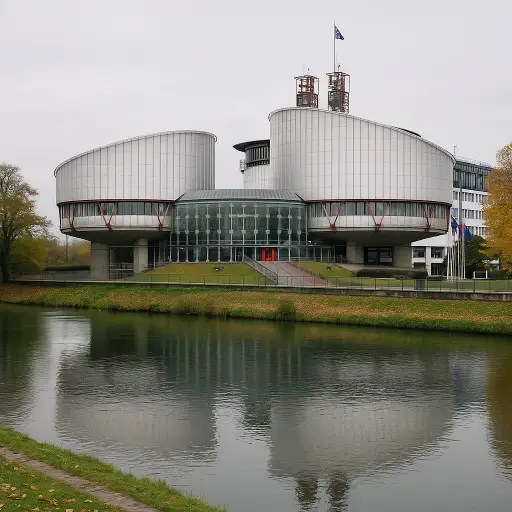
In a critical moment for human‑rights law across Europe, the European Court of Human Rights (ECHR) is scheduled to review 11 requests for referral to its Grand Chamber. A specially convened panel of five judges will deliberate these matters on the cusp of early November, marking one of the most significant procedural milestones for the Court in recent years.
Setting the Stage
The Court’s referral mechanism allows for particularly important or difficult cases — those that may challenge or develop existing jurisprudence — to be advanced to its Grand Chamber for full review rather than being finally decided by a standard seven‑judge Chamber. On this occasion, the panel will examine whether the eleven case‑files meet the threshold for such escalation. In short, they are being asked: “Is this case of sufficient general importance, or does it raise serious questions about interpretation of the Convention on Human Rights, to warrant Grand Chamber treatment?”
The official notice from the Court states: “On 3 November 2025 a panel of five judges will examine 11 Grand Chamber referral requests.” The outcome is eagerly awaited because a decision to accept a referral effectively ensures that the case will be heard at the highest level within the institution, be subject to public hearing, and potentially lead to landmark judgments. Conversely, refusal means the lower‑Chamber ruling becomes final, often without the same level of scrutiny or visibility.
What’s at Stake
While the specific case names remain largely confidential at this stage, the sheer number — eleven — signals a heavy docket of challenging matters. Each accepted referral could produce a judgment with binding authority for the 46 member states of the Council of Europe and thus influence national law, policy and rights‑protection practices. The legal community monitors such stages closely because referral acceptance or rejection itself often provides a message about the Court’s priorities: which issues the Court regards as of sufficient gravity or novelty.
Several implications warrant attention:
- Legal precedent and evolution: A Grand Chamber judgment often clarifies or reshapes Convention standards.
- National implementation pressure: States must not only abide by final judgments but also adapt domestic law and practice in light of them.
- Institutional signal‑effect: The panel’s choices send a message to applicants, governments, NGOs and courts about which human rights issues the Court considers pressing.
- Caseload and efficiency concerns: The Court has long sought to streamline and prioritise — referral decisions form part of that operational calculus.
The Process in Brief
The referral process begins after a Chamber renders a (non‑final) judgment and one of the parties (or the Court itself) requests referral. A panel of five judges then assesses whether the case raises serious questions or merits the Grand Chamber’s full attention. If the panel grants referral, a 17‑judge Grand Chamber will hear the case. Otherwise, the Chamber’s decision becomes final.
In the present instance, the panel’s meeting is scheduled for early November, and a press release from the Court confirms the process is underway. While the Court does not typically announce which cases are under review at this stage, the fact of eleven requests indicates both volume and importance.
Why Now?
Several contextual drivers may explain the volume and timing of these referral requests. Across Europe, rights‑based tensions have increased — in areas such as migration, digital surveillance, collective labour rights, and climate‑related litigation. National courts, applicants and governments are increasingly looking to the ECHR as a venue of last resort in contested areas. The rising complexity and high stakes of such cases raise the likelihood of referral requests.
Moreover, the Court has shown greater willingness in recent years to engage with issues of broad significance or systemic national dimension. The referral mechanism is one tool in its menu to advance such matters. That the panel has eleven referrals on its table suggests that legal actors are already anticipating this trend.
What to Watch
Observers should monitor several elements as this process unfolds:
- Which cases are accepted
- Reasoning of the panel decisions
- Substantive themes emerging
- Timeline to hearing and judgment
- Repercussions at national level
Broader Implications
For rights‑protection in Europe, the upcoming panel meeting represents more than administrative mechanics: it marks a decision point in the evolution of the Convention system. The Court’s choice to advance certain cases to the Grand Chamber amplifies the significance of the issues involved and can accelerate shifts in national jurisprudence.
For governments, it means heightened exposure: a Grand Chamber hearing carries prestige, publicity and often tougher legal scrutiny. For applicants and civil society, success in gaining referral can increase leverage and visibility. For the Court itself, the exercise is part of its broader task of balancing workload, prioritising major legal questions and maintaining the Convention’s relevance in changing political and technological conditions.
Conclusion
As the early November date looms, attention now turns to the five‑judge panel at the European Court of Human Rights. Their decision on the eleven referral requests may quietly determine which issues Europe’s most important human‑rights tribunal deems urgent, precedent‑worthy or transformative. For observers of human‑rights law, national institutions and rights‑bearers alike, the outcome will be watched closely — not only for the cases themselves, but for what they signal about the future of the Convention system.




 The Tower Post