
The FIFA U‑17 World Cup 2025 kicks off in Qatar: what to know as the tournament begins
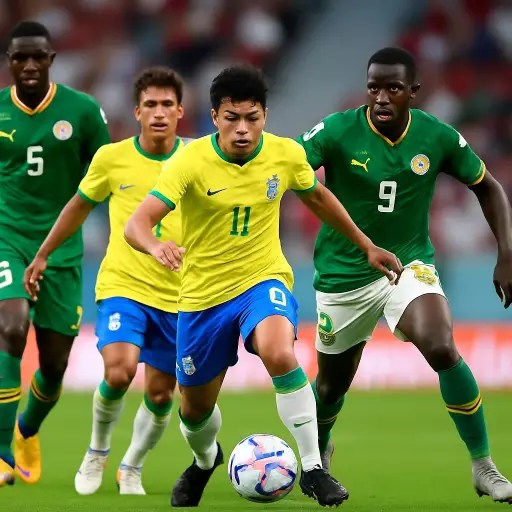
As the world’s most promising under‑17 footballers gather in Qatar, the stage is set for a compelling showcase of talent, ambition and new structure in the youth game. The 2025 edition of the FIFA U‑17 World Cup begins in Qatar this week, opening a tournament that marks a milestone in youth football.
A new era for youth world football
The U‑17 World Cup, long held every two years with 24 teams, has been rebooted for this year. FIFA has expanded the field to 48 teams and shifted to an annual cycle, beginning this edition.
Host nation Qatar is doing more than providing a venue — it is now the single host for the next five editions (2025‑2029) of the U17 tournament under the new format.
The tournament runs from early November through to late November, signalling a full‑month of youth international action.
Why Qatar? And what’s the format?
Qatar’s selection as host for five consecutive editions reflects FIFA’s push for continuity of infrastructure and the leveraging of facilities built for major events.
The matches will all be held in and around the city of Al Rayyan, with the main venue for the final being the familiar Khalifa International Stadium.
In terms of format: 48 teams have been drawn into 12 groups of four; each team plays three group matches. Then, the top two from each group plus the eight best third‑placed teams advance to the knockout phase (round of 32) before moving forward through to the final.
What to watch for
Youth talent breaking through
This tournament has become a launching pad for future stars. With more matches, more teams, and more exposure, scouts, clubs and national associations will monitor players who may blossom into the next generation of major names.
Regional representation and surprise entrants
Thanks to the expanded format there are nations making their debut at this level — giving fresh narratives and underdog stories a chance to shine.
Format and scheduling quirks
With more teams and more matches, teams will need to manage player workload carefully, especially given the age of the participants. The shortened turnaround between matches in groups may become a tactical factor.
Infrastructure and legacy in focus
For Qatar, hosting this event extends beyond four weeks. As the country uses its major stadiums and training facilities built for global events, the U‑17 World Cup becomes part of a broader sports legacy and developmental push.
Key storylines to follow
- How host nation Qatar performs under the pressure of a global tournament and the expectations attached to being hosts for this and the next four editions.
- Which young players emerge and capture attention — clubs will be watching. Those feet of speed, flair and hunger will stand out.
- Whether historically dominant youth‑football nations adapt to the expanded field and upgraded format.
- How match tempo, group logistics and travel within the host city affect team dynamics and results.
- The impact this tournament has on youth systems in nations who seldom reach this global stage; for them this is a moment of growth and exposure.
Looking ahead
The group stage kicks off with two matches scheduled for the opening day, signalling the tournament is truly underway.
Fans, analysts and young prospects themselves will keep an eye on how the U‑17 platform evolves in this new era: bigger field, more frequent tournaments, broader global exposure.
For the aficionados of youth football, this edition of the U‑17 World Cup promises to be a rich mine of storylines — from the unexpected breakout star to the established youth powerhouse holding serve, from tactical surprises to cultural moments. As the ball is kicked and the youthful energies pour in, the coming weeks in Qatar will offer a global celebration of tomorrow’s football talent.




 The Tower Post