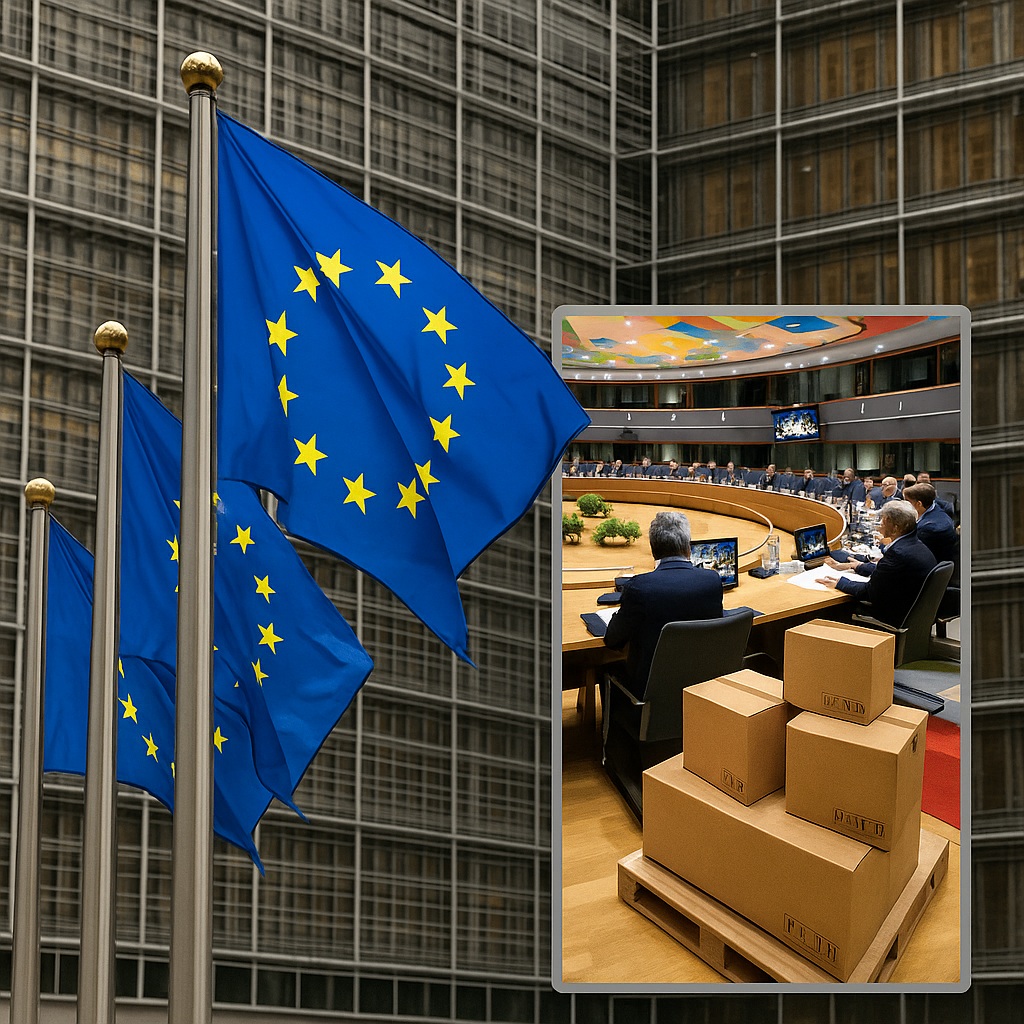
Energy‑tax overhaul and customs duty relief removal top the agenda as European ministers gather to steer the bloc’s economic path
With senior ministers from across the Council of the European Union converging on the capital, a high‑stakes session of the environment configuration will signal the wider economic and financial direction of the Union. On the programme is a broad spectrum of issues, from energy taxation reform to trade and customs duty relief thresholds — each with the potential to reconfigure member‑state budgets, competitiveness and climate commitments.
Ministers on the line
The environment ministers’ meeting has grown far beyond classic “green agenda” items. It serves now as an important barometer for economic policy‑making and inter‑governmental consensus. In parallel, the finance and economic affairs Ministers are preparing for forthcoming decisions on the revision of the Energy Taxation Directive (ETD) and the removal of customs duty relief thresholds for goods entering the bloc.
The calendar shows that while the formal vote for the ETD revision is slated further down the line, ministers are already lining up positions and signalling readiness to engage with the trade‑tax package. According to commodity‑insight sources, a compromise on the EtD has been in the works with aviation and shipping sectors still pressing for exemptions.
What’s at stake: energy taxation
The revision of the ETD has several critical implications. First, it touches on taxation of fuels and electricity — areas central to both green transition and public finances. The EU’s ambition to sync its tax structure with emissions‑reduction goals means member states must find ways to reconcile budget needs with climate commitments.
But the negotiations are delicate. Key sectors such as aviation and maritime transport are lobbying to retain favourable tax status, raising issues of fairness, competitiveness and coherency with the bloc’s net‑zero objectives. A weak compromise risks undermining the broader climate agenda and casting doubt on the Union’s ability to translate ambition into action.
Trade and customs duty relief: a quiet but major shift
Another comparatively under‑the‑radar but highly significant item is the planned elimination of the customs duty relief threshold for goods entering the EU. That measure may reshape trade flows and import‑cost structures across sectors.
For many member states, the relief threshold has long served as a buffer for small‑value imports and market access. Scrapping it means revisiting the fine balance between tariff relief, protection of domestic industry, and the goal of preserving revenue streams. Ministers will be acutely aware of the domestic implications — importers, small business networks and supply‑chain actors are watching closely.
Economic backdrop and timing
The timing of this ministerial convergence is notable. With inflationary pressures, energy‑market volatility and global trade uncertainties still fresh in policymakers’ minds, the EU is seeking policy signals that combine economic stability with green transition. The fact that the environment Council is picking up these “economy” items underscores how the boundaries between climate policy and economic governance continue to converge.
Furthermore, the agenda builds on official forward‑look documents indicating that this meeting will play a preparatory role for the more formal Economic & Financial Affairs Council where the tax and customs decisions are scheduled.
Divergent national interests and political hurdles
One of the key challenges ministers will face is reconciling divergent national interests. Some member states — particularly those with energy‑intensive industries or transport hubs — are wary of new tax burdens or sudden shifts in trade policy. Others, driven by climate‑policy imperatives or revenue needs, are pushing for faster change. The unanimity requirement for tax and customs decisions adds another layer of complexity.
In the ETD discussions, for instance, the push to maintain tax exemptions for aviation and maritime fuels raises questions of credibility: critics argue that granting preferential treatment to transport sectors undermines the “polluter pays” principle and the wider transition narrative.
On the customs side, removal of duty relief thresholds may be justified as strengthening the internal market and aligning revenue frameworks, but it may also trigger resistance from retail and e‑commerce sectors reliant on low‑value imports.
What to watch out for
- Draft text and political agreement: The extent to which ministers can agree on draft language for the ETD revision will signal whether the process is progressing toward a meaningful outcome or lurching toward a tactical deal.
- Exemptions and carve‑outs: Watch carefully whether aviation/shipping retain carve‑outs, and how domestic fuel use is treated — this will influence both emissions and competitiveness.
- Customs duty relief threshold removal: The timeline, transition arrangements and compensation or support mechanisms for affected sectors will reveal member states’ appetite for change.
- Budgetary and revenue implications: Ministers will need to assess how revenue‑raising measures align with member state budget pressures and the green transition financing gap.
- Linkage to climate policy: The environment‑economy nexus is central – ministers will want to show that economic and trade policy is consistent with climate targets, especially heading toward international summits.
Looking ahead
While the formal decision points may come at later ministers’ meetings, this environment‑economics session serves as a bellwether. If ministers display alignment and momentum, it will strengthen the EU’s hand in delivering on the green‑economy transition and trade governance. If they struggle to find common ground, both the ETD revision and customs overhaul risk delay or dilution.
For stakeholders — from industry to trade unions, from national ministries to environmental NGOs — the outcomes from this session will matter not only for regulatory detail but for the broader signal about how the European project will reconcile economic growth, green ambition and open trade in the years ahead.

 The Tower Post