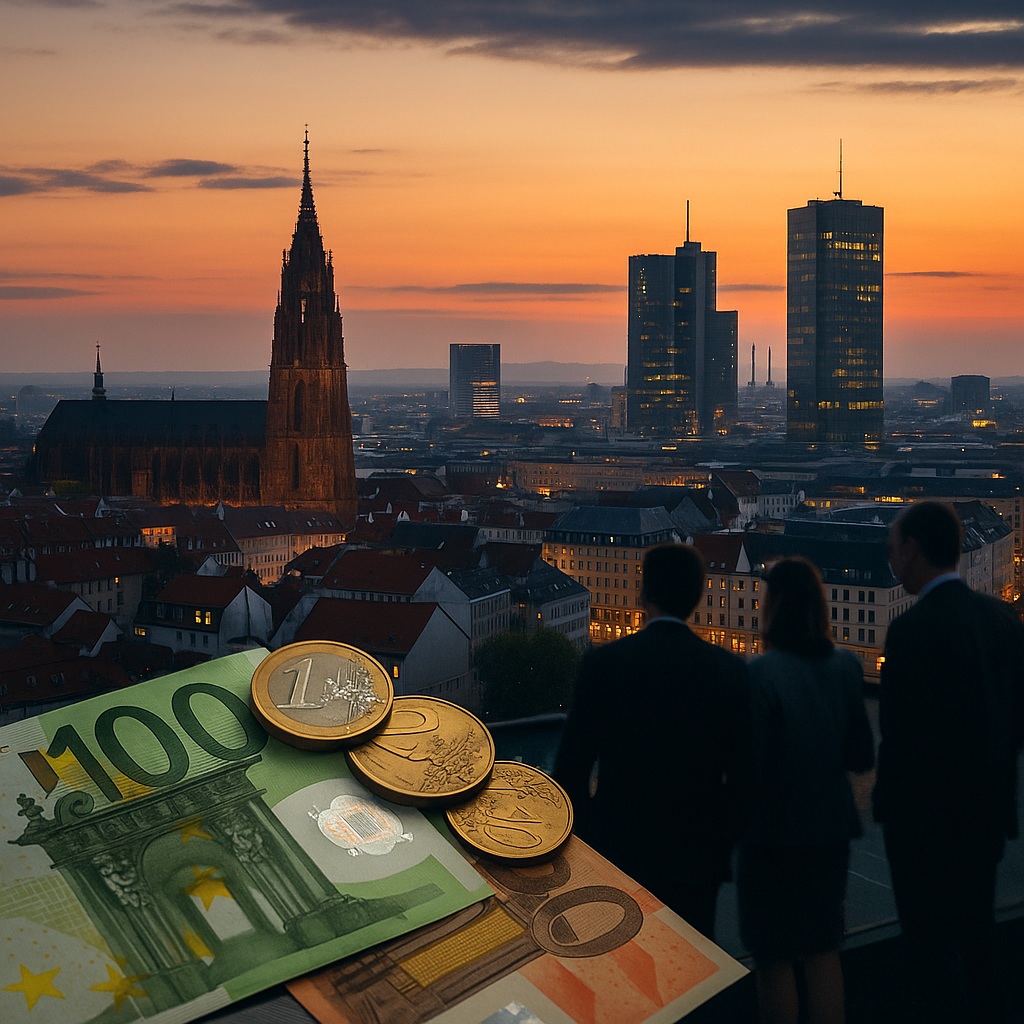
Analysts Warn Europe’s economy is caught between weak demand, geopolitical tensions and deep‑seated structural headwinds
Europe’s economic outlook is darkening. Despite occasional sparkles of resilience, the Eurozone finds itself trapped in a low‑growth trap, where weak domestic demand, slower foreign trade, and structural drags converge into a “frightful” environment for policymakers and business alike.
A slow grind, not a rebound
After the modest growth of recent years, the euro‑area economy has stalled again. In major economies such as Germany, the picture is especially bleak: one recent analysis flagged that, unless conditions shift, Germany is on course for a year of almost no growth, leaving its economy smaller than it was in 2019.
At the euro‑area level, foreign demand growth has been revised downward, with exports and trade acting as brakes rather than engines. And although some services activity has shown faint signs of life, manufacturing remains fragile and business investment hesitant.
Analysts argue that the recovery many hoped for is not arriving. One description now in wider circulation: stagnant rather than sluggish, and with risks mounting.
Weak demand meets structural inertia
There are two central themes: demand is weak, and structural drag is heavy. On the demand side, household consumption remains cautious. Inflation may have eased in parts, but wage growth is still under pressure, and many consumers remain scarred by recent cost‑of‑living jumps. Meanwhile, business investment is constrained by uncertainty — geopolitical, regulatory and technological.
On the structural side, the euro‑zone’s industrial model struggles to adapt. Older manufacturing bases are being challenged by global competition, automation and the shift to green technologies — but the transition is uneven. Research into “structural change” in Europe suggests that moving labour into more advanced industries has been associated not with job growth but with slower employment growth overall.
Demographics also weigh: ageing workforces, low productivity gains, and fragmented policy responses across member states further hamper momentum.
Geopolitics and trade uncertainty add to the gloom
The economic woes are not only home‑grown. Trade policy uncertainty, particularly from major economies, is dampening investment and planning. Analysts at one institution flag that much of the drag on the euro‑zone economy is not new tariffs per se but the ‘shadow’ of uncertainty they cast.
In addition, the geopolitical climate — from energy security to regional instability to supply‑chain shocks — continues to unsettle business confidence. The combination of weak global growth, lower trade intensity, and the end of some large stimulus programmes means the tailwinds of the past are largely gone.
Why policymakers are uneasy
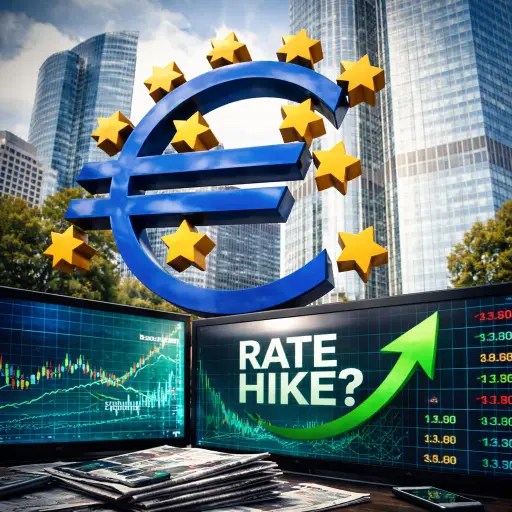
For the European Central Bank (ECB) and governments in the euro‑area, the current conundrum is acute: traditional stimulus tools are less potent, and some policy levers (such as ultra‑loose monetary policy) have already been heavily used. At the same time, structural reforms are politically difficult and take time to show effect.
With weak growth, there’s also the risk that the cycle turns negative — the very scenario the bloc has been striving to avoid for years. Low‑growth means lower tax revenues, higher debt burdens, and diminished room for manoeuvre.
What to watch, and what could go right
Despite the gloom, there are some possible bright spots. Some service sectors are showing resilience; and if inflation continues to moderate, real‑wage growth could gradually support consumption. Also infrastructure investment, defence spending and green‑transition outlays could provide a boost — though the scale is uncertain.
On the flip side, the risks are meaningful. A sustained slowdown in global demand, a fresh trade shock, or renewed energy‑price volatility could tip the region into recession. Structural reforms — such as labour‑market modernisation, industrial policy re‑orientation, and greater EU coordination — remain under‑exploited.
The verdict: no crisis yet, but little comfort
Today’s euro‑zone economy is not in free‑fall; but neither is it taking off. What experts describe as “frightful” is the prospect of a prolonged period of stagnation, where the region drifts rather than advances. For policymakers, businesses and citizens, the challenge is to avoid being trapped in low‑growth inertia while waiting for structural change to deliver. Until then, Europe may face a future of incremental growth, higher risk, and muted expectations.

 The Tower Post